
Precision Trauma Implants & Specialized Instrument Sets
Engineered to exact geometric tolerances, providing global distributors and hospital procurement divisions with sterile-packed, fully traceable implant solutions.
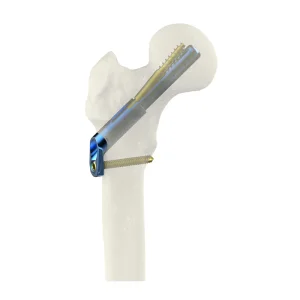
Custom Femoral Neck Antirotation System (FNAS)
View Product Details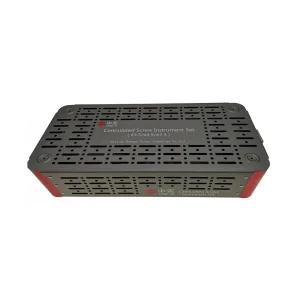
Wholesale Ф3.5/4.5/7.3 Cannulated Screw Instrument Set
View Product Details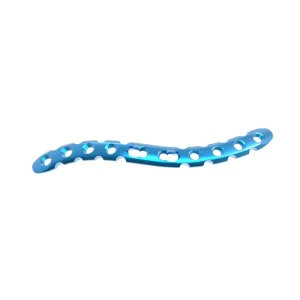
Clavicle Reconstruction Locking Compression Plate (LCP)
View Product Details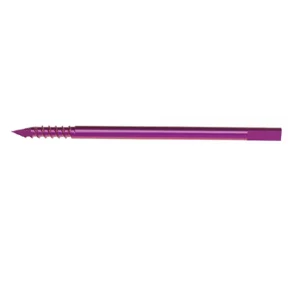
Triangular Cutting Edge Pin for External Fixation
View Product Details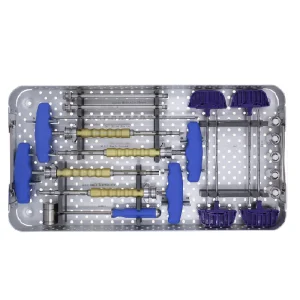
Zenith HE Minimally Invasive Spine Instrument Set
View Product Details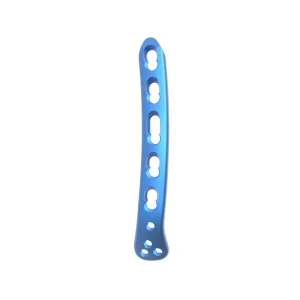
Distal Posterolateral Humerus Locking Plate
View Product Details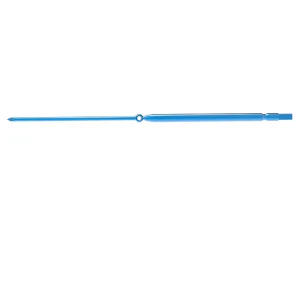
Titanium Alloy Patella Fixation Pin
View Product Details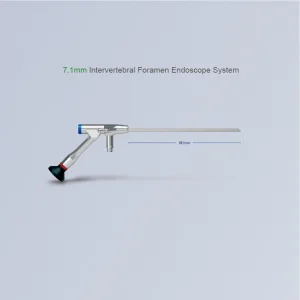
7.1mm Transforaminal Endoscope System
View Product DetailsGlobal Commercial & Industrial Status of Zimmer-Tier Orthopedic Manufacturing
Analyzing global market shifts, supply chain localization, and high-tolerance manufacturing benchmarks that define modern arthroplasty and trauma reconstruction.
The global orthopedic implant landscape, historically anchored by multinational tier-one brands such as Zimmer Biomet, Stryker, and DePuy Synthes, is undergoing a profound structural evolution. Worldwide healthcare expenditures, aging demographic pyramids across North America, Western Europe, and East Asia, and the aggressive implementation of centralized procurement mechanisms (such as China's National Volume-Based Procurement - VBP) have disrupted traditional supply chain models. Healthcare providers, surgical hospital consortiums, and specialized medical distributors are no longer bound exclusively to single-source multinational pricing structures. Instead, they are actively establishing qualified partnerships with certified contract manufacturers who deliver equivalent biomechanical durability, microscopic dimensional tolerances, and metallurgic purity under strict ISO 13485:2016 governance.
Operating from Beijing's prestigious Zhongguancun Science and Technology Park since 2009, Beijing ZhongAnTaiHua Technology Co., Ltd. (ZATH) has spearheaded this industrial transition. Spanning more than 300 skilled professionals—including a dedicated contingent of approximately 100 mid-to-senior biomechanical and manufacturing engineers—our enterprise has synthesized western design philosophies with advanced localized high-speed multi-axis CNC milling, wire electrical discharge machining (EDM), and cleanroom packaging infrastructures. In the current multi-billion-dollar global arthroplasty sector, market competitiveness requires matching the gold standards established by systems like the Zimmer NexGen, Persona Knee, or Taperloc Hip, while radically shortening supply lead times and lowering total procurement expenditure.
Years of R&D Specialization (Est. 2009)
Full-Time Personnel in Beijing
Senior & Mid-Level Technical Engineers
Worldwide Express Dispatch Speed
In addition to direct economic factors, the global distribution ecosystem faces increasingly stringent compliance hurdles. The enforcement of the European Medical Device Regulation (EU MDR 2017/745) and stringent FDA 510(k) premarket notifications necessitate that non-original equipment manufacturer (OEM) alternatives possess comprehensive Design History Files (DHF), rigorous clinical evaluation reports (CER), and verified biocompatibility evaluations conforming to ISO 10993. As a result, the commercial reality of sourcing Zimmer-equivalent implants has evolved from simple reverse engineering to certified, forward-looking co-development, where high-precision suppliers assume complete liability for lot-by-lot metallurgical pedigree, gamma/EtO sterilization validation (ISO 11137 / ISO 11135), and global regulatory documentation.
Material Science & Metallurgical Architecture
Rigorous adherence to international biocompatibility standards, mechanical fatigue thresholds, and surface tribology benchmarks.
Modern orthopedic reconstructions demand zero-defect metallurgy. Implant loosening, peri-prosthetic osteolysis, and implant breakage are directly linked to alloy purity, grain size consistency, and surface texturing. Manufacturers supplying Zimmer-standard implants must employ medical-grade alloys that replicate the mechanical modulus of human cortical and cancellous bone to prevent stress shielding while sustaining high cyclic fatigue loading.
| Material Classification | International Standard | Tensile Strength (MPa) | Elastic Modulus (GPa) | Primary Clinical Application |
|---|---|---|---|---|
| Ti-6Al-4V ELI (Grade 23) | ASTM F136 / ISO 5832-3 | ≥ 860 | 110 - 114 | Cementless Femoral Stems, Trauma Plates, Spinal Pedicle Screws |
| Cobalt-Chromium-Molybdenum (CoCrMo) | ASTM F75 / ISO 5832-4 | ≥ 655 | 210 - 230 | Femoral Knee Condyles, Modular Femoral Heads, Wear Surfaces |
| Cross-Linked UHMWPE (XLPE + Vit-E) | ASTM F648 / ISO 5834-2 | ≥ 40 (Yield) | 0.8 - 1.2 | Acetabular Liners, Tibial Articular Inserts, Meniscal Bearing |
| Biomedical PEEK-OPTIMA | ASTM F2026 | ≥ 95 | 3.5 - 4.0 | Interbody Spinal Cages, Cervical Spacers, Radiotranslucent Anchors |
| High-Purity Trabecular Titanium | 3D EBM / SLM Additive | Porosity 60% - 80% | 1.5 - 3.0 | Biological Ingrowth Acetabular Shells, Revision Augments |
To emulate the clinical success of Zimmer's proprietary Trabecular Metal™, top-tier contract manufacturers utilize advanced additive manufacturing (Electron Beam Melting - EBM and Selective Laser Melting - SLM) to produce interconnected open-cell titanium porous structures. These porous networks exhibit mean pore dimensions of 400 to 600 micrometers with greater than 70% volumetric porosity, perfectly mimicking cancellous bone architecture. This microscopic morphology induces rapid vascularization and de novo osteogenesis, significantly reducing aseptic loosening in both primary total hip arthroplasty (THA) and complex revision surgeries.
Industry Megatrends Shaping Orthopedic Manufacturing
From robot-guided bone cuts to smart sensory implants and patient-matched additive implants.
Additive Manufacturing & Custom Geometry
Selective laser melting enables complex patient-matched revision augments and anatomical locking plates that contour precisely to unusual bony deficits, bypassing the geometric constraints of traditional subtractive CNC milling.
Surgical Robotics Compatibility
Next-generation implants must interface seamlessly with semi-autonomous robotic cutting arms (e.g., Zimmer ROSA, Stryker Mako). Implants are pre-calibrated with sub-millimeter dynamic optical arrays and CT-free software tracking registration.
Bioactive Nano-Coatings & Infection Defense
Plasma-sprayed Hydroxyapatite (HA) enhanced with dual-action antimicrobial silver nanoparticles or bioactive glass (BAG) actively suppresses Staphylococcus aureus biofilm formation while maintaining accelerated secondary bone ingrowth.
Localized Clinical Application Scenarios & Operative Protocols
Adapting biomechanical solutions to high-volume emergency trauma rooms, ambulatory centers, and tertiary revision suites.
Level-1 Trauma Centers & High-Energy Fractures
In high-velocity poly-trauma scenarios (e.g., comminuted femoral neck or peritrochanteric fracture non-unions), systems such as the Femoral Neck Antirotation System (FNAS) provide rapid dynamic compression combined with rotational stability. Pre-assembled guide instrumentation and self-tapping cannulated screw options decrease intraoperative fluoroscopy exposure and reduce tourniquet duration, mitigating blood loss in hemodynamically unstable patients.
Ambulatory Surgical Centers (ASCs) & Outpatient Arthroplasty
The global shift toward same-day discharge for unicompartmental and total knee arthroplasty (TKA) requires streamlined single-use instrument trays and pre-sterilized components. Our Enable Knee and DDS Hip systems feature ergonomic quick-mount trials that cut surgical tray preparation from 45 minutes to under 12 minutes, fitting the fast room turnover demands of modern outpatient surgical centers.
Complex Geriatric Osteoporotic Reconstructions
In fragile senile bone (Singh Index ≤ 3), standard press-fit implants carry high periprosthetic fracture risks. ZATH's proximal femoral interlocking designs and distal humerus locking compression plates feature multi-axial divergent locking screw configurations. These constructs distribute cortical strain along an extended working length, preventing implant cutout in compromised bone beds.
Orthopedic Technical Roadmap (2025 – 2035)
A ten-year development plan prioritizing material intelligence, biological integration, and connected digital orthopedics.
Generative AI Lattice Design
Deploying machine-learning topology optimization algorithms to minimize implant stiffness while boosting fatigue resistance under cyclic multi-axis loads exceeding 10 million cycles (ISO 7206-4 compliance).
Bio-Resorbable Composites
Advancing magnesium-zinc-calcium alloys and silk-fibroin composite interference screws that provide rigid structural fixation for ACL/PCL reconstructions before steadily breaking down into benign mineral components.
Sensor-Integrated Prosthetics
Embedding passive RFID-enabled micro-strain sensors and temperature nodes within ultra-high molecular weight polyethylene inserts to transmit real-time telemetry on bearing wear and early subclinical infection.
Living Cellularized Constructs
Integrating in-situ 3D bio-printing with autologous mesenchymal stem cell matrices to produce custom osteochondral implants capable of lifelong biologic self-repair.
Macro Industrial Solutions for Global Importers & OEM Partners
Eliminating regulatory risks, reducing landed costs, and building dependable, end-to-end supply chains.
Wholesale distribution of orthopedic implants involves strict regulatory responsibilities and operational risks. Unlike standard consumer goods, every medical implant requires an unbroken chain of custody from raw billet casting to surgical delivery. Beijing ZhongAnTaiHua Technology Co., Ltd. (ZATH) provides a comprehensive, stress-tested turnkey program engineered specifically for international procurement directors and OEM brand owners:
Full Regulatory Dossier Support
We supply pre-audited technical documentation, including ISO 13485 QMS certifications, Free Sale Certificates (FSC), UDEM audits, sterilization validation (ISO 11137), accelerated aging shelf-life verifications, and ISO 10993 cytotoxicity files for streamlined local health ministry clearance.
Tier-1 Express Logistics & Stocking
With integrated agreements through DHL, FedEx, TNT, UPS, and EMS, we guarantee 4-to-6 day door-to-door international dispatch for emergency replenishment. Standard trauma kits and staple arthroplasty sizes are warehoused under strict temperature-controlled storage, eliminating backorder delays.
Precision OEM/ODM Customization
Full-spectrum private labeling allows complete customization of laser-etched barcodes (GS1-128 / UDI compliant), color-coded anodized finishes, customized implant sizing curves, and hospital-ready double-sterile blister packaging suited to your market's exact clinical needs.
Joint Arthroplasty, Sports Medicine & Diagnostic Innovations
Complete product offerings ranging from primary hip and knee arthroplasty to endoscopic spine and optical coherence systems.
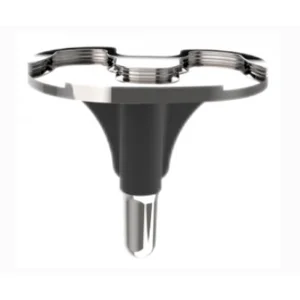
Enable Tibial Baseplate for Total Knee Arthroplasty
View Product Details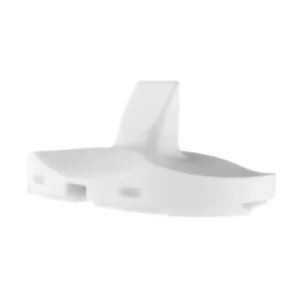
Enable Tibial Insert Knee Joint Prosthesis (UHMWPE)
View Product Details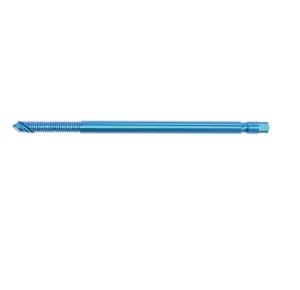
Titanium Alloy Pin for Orthopedic External Fixation
View Product Details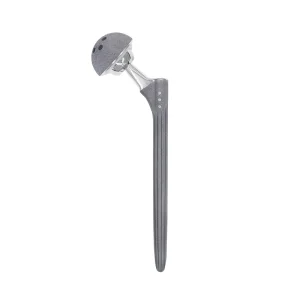
DDS Titanium Cementless Hip Stem Prosthesis
View Product Details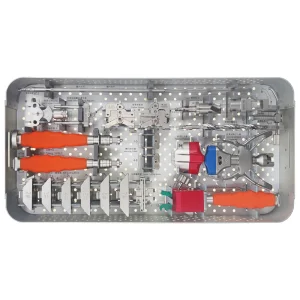
Total Knee Arthroplasty Surgical Instrument Set
View Product Details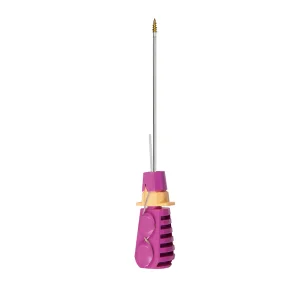
Sports Medicine Titanium Suture Anchor Implant
View Product Details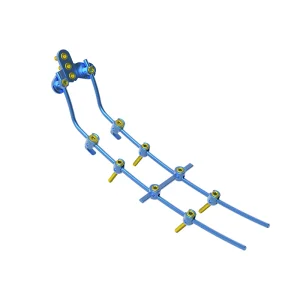
Ladder Optical Coherence Tomography (OCT) System
View Product Details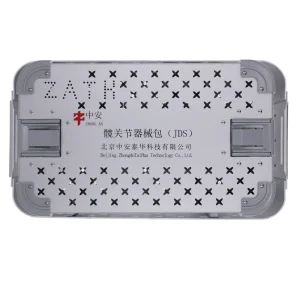
JDS Stem Hip Revision System & Instruments
View Product DetailsComprehensive Validation & Testing Regimen
Step-by-step verification protocols guaranteeing dimensional accuracy, chemical purity, and long-term mechanical reliability.
Coordinate Measuring Machine (CMM) Metrology
Every critical dimension, taper angle (e.g., 12/14 Euro-taper standards), and screw pitch is verified using high-precision German Zeiss CNC coordinate measurement units. We measure down to sub-micron tolerances (±0.002 mm), eliminating taper micromotion and fretting wear in modular hip junctions.
Dynamic Multi-Axis Fatigue Testing
Implant designs undergo rigorous dynamic mechanical stress testing under ISO 7206 (hip stem fatigue testing) and ISO 14801 (dental and dynamic axial fatigue loading). Testing runs continuously up to 10 million cycles under cyclic physiological simulated body fluid (SBF) environments to ensure zero component fatigue failures.
Surface Roughness & Tribological Verification
Bearing surfaces, such as CoCrMo femoral heads and femoral condyle runners, receive diamond mechanical polishing yielding an Ra ≤ 0.02 μm mirror finish. Plasma-sprayed porous coatings undergo destructive tensile pull-off testing (ASTM F1147) and shear fatigue verification (ASTM F1160) to guarantee superior coating adhesion to the core substrate.
Frequently Asked Questions (FAQ) for Sourcing Teams
Addressing engineering specifications, regulatory compliances, delivery lead times, and private label support.
ZATH implants are engineered to match or exceed the strict mechanical, metallurgic, and tribological criteria set by top-tier global brands. We utilize genuine medical-grade titanium (Ti-6Al-4V ELI conforming to ASTM F136) and forged CoCrMo (ASTM F75), alongside precision 5-axis CNC machining centers. Key modular interfaces, such as the standard 12/14 neck taper, are produced within micron-level tolerances, allowing secure fit and reliable biomechanical load transfer comparable to multinational equivalents.
Beijing ZhongAnTaiHua Technology Co., Ltd. (ZATH) operates under a fully certified ISO 13485:2016 Quality Management System. We provide qualified institutional partners with complete validation documentation, including UDEM certification records, Free Sale Certificates (FSC), ISO 10993 biological evaluations, packaging sterile-barrier validations (ISO 11607), and full mechanical fatigue testing reports (ASTM F1814, ISO 7206).
Every ZATH implant is processed through a multi-stage ultrasonic cleanroom line before double-blister sterile packaging in our certified Class 10,000 (ISO Class 7) cleanrooms. Packaged components are sealed with medical-grade Tyvek® lidding and sterilized via validated Ethylene Oxide (EtO) or Gamma irradiation, guaranteeing a minimum Sterility Assurance Level (SAL) of 10−6 with a documented 5-year sterile shelf life.
For OEM/ODM projects, we provide complete design-to-production workflows: starting with digital CAD/CAM design and finite element analysis (FEA), followed by 3D prototyping, rapid clinical sample validation, and full volume production. Standard OEM branding (custom laser-etched logos, anodized color-coding, and custom tray layouts) typically ships within 4 to 6 weeks, while in-stock standard implants ship internationally within 4 to 6 days via express air courier.
As a prime manufacturer based in Beijing's Zhongguancun Science Park, ZATH operates with efficient vertical supply-chain integration. By managing raw bar procurement, multi-axis machining, surface treating, cleanroom sealing, and quality validation entirely in-house, we remove layers of third-party markup. This lean manufacturing approach enables our global distribution partners to bid aggressively and profitably in national tenders and centralized health system programs.