
Ti-6Al-4V ELI
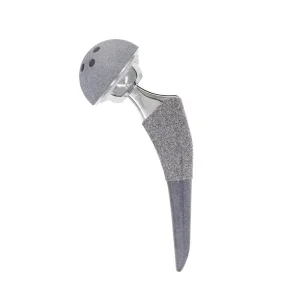
Direct-from-manufacturer reconstructive solutions designed to meet the rigorous clinical standards of the Philippine Orthopedic Center (POC), private healthcare systems, and regional government medical centers.
The healthcare architecture of Metro Manila represents an intense nexus of high-volume trauma care, degenerative joint reconstruction, and socio-economic bifurcation. Serving as the primary medical catchment basin for over 14 million residents in the National Capital Region—as well as tertiary referral cases arriving from Northern Luzon and the Visayas—institutions like the Philippine Orthopedic Center (POC), Philippine General Hospital (PGH), St. Luke’s Medical Center (Quezon City & BGC), and Makati Medical Center encounter an escalating volume of advanced hip pathology.
Orthopedic surgeons across Manila frequently confront severe secondary osteoarthritis, avascular necrosis (AVN) of the femoral head secondary to trauma or systemic steroid therapies, and displaced subcapital femoral neck fractures (Garden Classification III & IV) in geriatric demographics. In public tertiary institutions, the imperative is achieving durable primary fixation under constrained hospital budgets and PhilHealth (Philippine Health Insurance Corporation) Z-Benefit reimbursement caps. In private tier-1 health systems, surgeons demand sophisticated femoral taper geometry, optimized biological ingrowth matrices, and ultra-low wear bearing couples comparable to Western legacy market leaders.
Navigating this operational duality requires an orthopedic exporter that bridges uncompromising mechanical integrity (ISO 13485:2016, ASTM F136 ELI Titanium) with an aggressive cost-to-performance ratio, mitigating out-of-pocket costs for Filipino families while providing private orthopedic surgical centers with competitive margin spreads.
Every implant designed for deployment in Manila is fabricated in accordance with strict international biomechanical standards, delivering accelerated osteointegration, reduced modulus mismatch, and ultra-low wear rates.
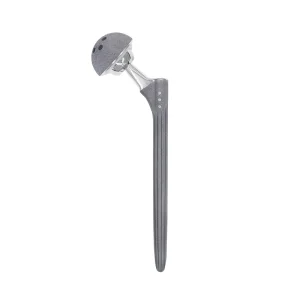
Our femoral stems are CNC-machined from medical-grade Extra Low Interstitial Titanium Alloy, providing superior fatigue strength, elevated corrosion resistance, and an elastic modulus of ~110 GPa that closely mimics human cortical bone to prevent stress-shielding and thigh pain.
Engineered with vacuum plasma-sprayed pure titanium sponge undercoating overlaid with a 50μm crystalline Hydroxyapatite (HA) layer. Pore sizes calibrated precisely between 300 μm and 500 μm with 45–55% interconnecting porosity accelerate rapid secondary osseointegration.
Acetabular liners are precision-machined from medical UHMWPE resin exposed to 50–100 kGy gamma irradiation and thermal stabilization. Tribological articulation against 28mm, 32mm, or 36mm femoral heads yields volumetric wear rates under 5 mm³/10⁶ cycles.
| Implant Parameter | ZATH Manila Export Spec | Western Multinational Benchmark | Clinical Benefit to Filipino Patients |
|---|---|---|---|
| Femoral Stem Alloy | Ti-6Al-4V ELI (ASTM F136 / ISO 5832-3) | Ti-6Al-4V / CoCrMo Alloy | Minimized stress shielding; zero heavy-metal ion release toxicity; MRI-friendly compatibility. |
| Surface Osseointegration | Plasma-sprayed Porous Ti + Active HA | Porous Plasma / Trabecular Metal | Bi-phasic fixation: immediate mechanical press-fit stability plus aggressive biological bone ingrowth. |
| Stem Geometry & Taper | 12/14 Standard Euro-Taper, Dual-Wedge | 12/14 or Proprietary V40 Taper | Universal modularity with global heads; accommodates acute femoral bows common in Asian anatomy. |
| Cup Locking Mechanism | Multi-hole Spherical Shell with Apex Ring | Multi-hole / Solid Porous Cup | Rigid multi-axis cancellous screw anchorage ideal for osteopenic bone stock in elderly trauma cases. |
| Fatigue Resistance Testing | ISO 7206-4 / 7206-6 Passed (5x10⁶ cycles) | ISO 7206-4 / 7206-6 Passed | Certified 15-20+ year in vivo biomechanical lifespan under rigorous daily physiological loading. |
Headquartered in the Zhongguancun Science Park (Pinggu, Beijing), our 300+ personnel manufacturing footprint operates on full vertical integration. By consolidating raw material verification, 5-axis Swiss-lathe turning, DMG MORI multi-axis machining centers, and automated ultrasonic surface cleaning under one ISO 13485-certified roof, we eliminate intermediate supply chain margins.
For Manila-based orthopedic distributors and hospital procurement panels, this translates into three distinct structural advantages: guaranteed lead-time security (3–5 day express dispatch to Ninoy Aquino International Airport), customizable OEM/ODM laser labeling and packaging configured for Philippine FDA compliance, and direct factory pricing that cuts procurement costs by 40% to 60% compared to Western legacy implants.
Navigating medical device import clearance in the Philippines demands meticulous regulatory alignment. We supply full technical dossiers, freeing Manila distributors to focus on surgeon engagement and hospital tenders.
We provide comprehensive Common Submission Dossier Template (CSDT) documentation structured specifically for the Center for Device Regulation, Radiation Health, and Research (CDRRHR) under the Philippine FDA, accelerating Certificate of Medical Device Registration (CMDR) approvals.
Established freight channels via South Harbor and Manila International Container Terminal (MICT), paired with direct air-cargo lanes to NAIA via DHL, FedEx, and UPS. Standard replenishment cycles complete in 4–6 business days with green-lane customs compliance.
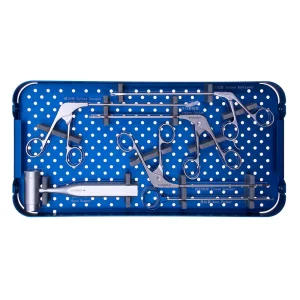
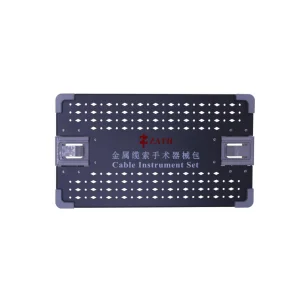
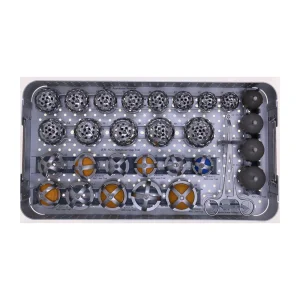
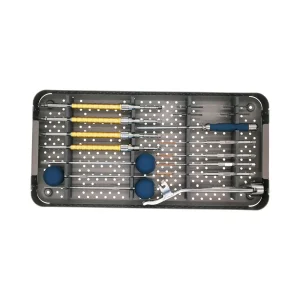
We supply surgical trays, quick-coupling femoral reamers, trial heads, and ergonomic broach handles. In addition, we equip distributor product specialists with comprehensive CAD animation guides and surgical technique manuals for operating room personnel.
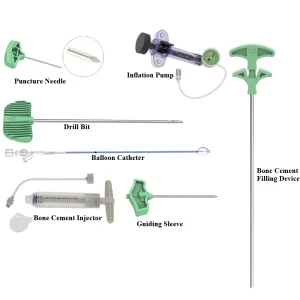
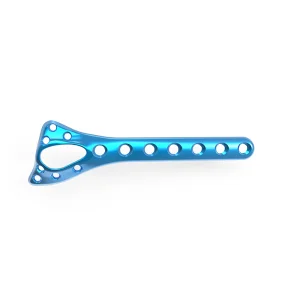
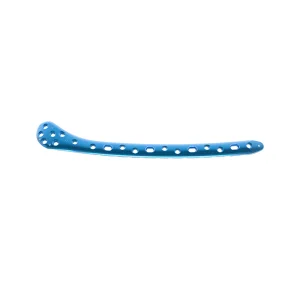
Browse our extended catalog of orthopedic implants and surgical instrument systems engineered for comprehensive trauma center, arthroplasty clinic, and spine suite operations throughout Metro Manila.
A structured institutional qualification blueprint to evaluate total hip prosthesis exporters for hospital tender committees, material management heads, and orthopedics department chairs.
Require exporters to produce raw material heat certificates proving compliance with ASTM F136 (Ti-6Al-4V ELI) or ASTM F75 (CoCrMo). Verify interstitial oxygen content is below 0.13% to eliminate brittleness under cyclical load.
Inspect shear testing records for plasma spray porous coatings. Tensile adhesion strength must exceed 22 MPa (ASTM F1147) and shear fatigue strength must exceed 20 MPa (ASTM F1044) to avoid acetabular delamination.
Audit exporter logistics guarantees. Air shipments from Beijing through NAIA should operate within 4–6 business days to ensure unexpected intraoperative size requirements or bilateral revision cases remain fully stocked.
Technical, clinical, and logistics answers for hospital purchasing directors, orthopedic department heads, and medical distributors across the Philippines.
Whether you are participating in Philippine Orthopedic Center (POC) government tenders, expanding your medical distribution portfolio across NCR hospitals, or outfitting private surgical suites, ZATH delivers precision joint implants with direct factory efficiency.