
Primary Thoracolumbar Spinal Fixation Systems
Premium CE-certified instrumentation and implants designed for minimally invasive spine surgery (MISS) and high-load posterior reconstructive procedures across Nigerian tertiary healthcare providers.
-
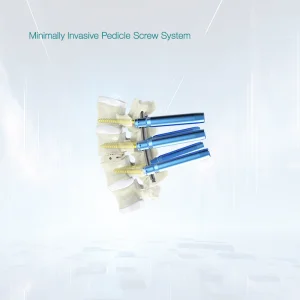 MISS Protocol Compatible
Nigeria Precision Minimal Invasive Spine Pedicle Screw System
OEM High Quality ZATH HE Minimal Invasive Spine Pedicle Screw Manufacturers, Exporters -
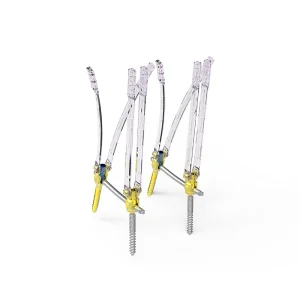 Grade 5 Medical Ti
Spine Titanium Minimally Invasive Screws for Nigeria Surgical Theatres
ODM Spine Titanium Minimally Invasive Pedicle Screws Manufacturer, Pricelist -
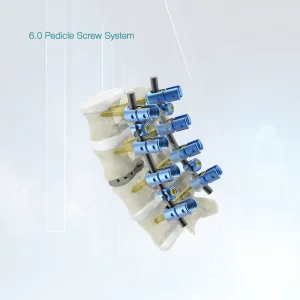 CE Certified
Zipper Polyaxial Pedicle Screws Spine System for Complex Lumbar Deformity
OEM CE approved Zipper Polyaxial Pedicle Screws Spine System Manufacturer, Product -
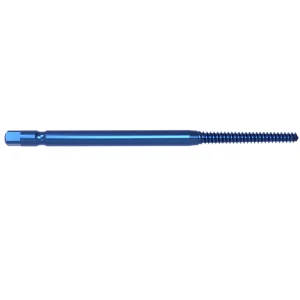 Trauma Stabilization
External Fixation Pin Set Optimized for Emergency Stabilization in Nigeria
CE Certification Pin for External Fixation Quotes, Products
Clinical Landscape & Biomechanical Dynamics of Thoracolumbar Spine Fixation
A comprehensive assessment of structural epidemiology, supply chain regulatory criteria, and technical advancements shaping spinal trauma care in Sub-Saharan Africa and global markets.
Local Clinical Realities in Nigeria
The thoracolumbar junction (T10–L2) represents the most biomechanically vulnerable sector of the human vertebral column, bearing substantial gravitational load and axial rotational stresses. In Nigeria, clinical studies in university teaching hospitals across Lagos, Ibadan, Enugu, and Abuja demonstrate that high-energy trauma accounts for upwards of 68% of spinal admissions—predominantly driven by road traffic collisions (RTCs), construction falls, and occupational hazards.
Treating these complex burst fractures, seatbelt-type injuries, and fracture-dislocations poses a unique challenge to Nigerian neurosurgical teams. Surgeons require rigid internal fixation capable of restoring sagittal alignment, arresting neurological deterioration, and achieving prompt decompression without reliance on recurrent corrective revision surgeries.
Global Standards vs. Frontier Availability
Globally, spine surgery has accelerated towards computer-assisted navigation, robotics, and percutaneous minimally invasive pedicle cannulation to protect paraspinal musculature. While premium tier-one Western implants exist, erratic logistical pricing, multi-layered brokerage, and a lack of sustained sterile supply chains frequently disrupt Nigerian public and private operating theatres.
The imperative demand within the Nigerian healthcare ecosystem is direct access to verified manufacturers operating under ISO 13485 QMS and CE certified production protocols. Implants must feature high fatigue-strength titanium alloy (Ti-6Al-4V ELI), self-tapping multi-thread pitches for osteoporotic engagement, and standardized ergonomic instrument suites that guarantee surgical precision under constrained theatre times.
Modern Surgical Solutions & Future Technical Roadmap
Bridging mechanical reliability with advanced materials science to provide scalable, life-saving orthopedic systems suited for developing and advanced hospital networks alike.
Systemic Solutions for Nigerian Orthopedic Procurement
Procuring surgical implants in Nigeria involves multi-variable risk management: currency fluctuation, regulatory scrutiny by NAFDAC, and variable terminal sterilization reliability across regional clinics. Our turnkey solution incorporates pre-sterilized, double-barrier blister packaging that bypasses autoclaving backlogs, guaranteeing pristine sterility directly into the sterile field.
Additionally, modular instrument sets with reinforced tungsten-carbide reduction towers and bi-directional screw drivers ensure that orthopaedic surgeons maintain total intraoperative flexibility, regardless of whether a procedure is an open laminectomy stabilization or a percutaneous MISS reconstruction.
Material Innovation: Additive Trabecular Interfaces
Modern spine fixation has expanded beyond rigid macro-mechanics into biological fusion induction. By leveraging electron beam melting (EBM) and 3D titanium printing, future-generation interbody cages and pedicle screw surfaces emulate natural human cancellous bone porosity (65–80% porosity, pore size 400–600 μm).
This micro-textured morphology promotes swift osteoblast migration, accelerated osteointegration, and minimizes modulus mismatches, drastically lowering the risk of long-term screw loosening and construct subsidence in low-bone-density populations.
Double-Lead Thread Architecture
Deployment of dual-threaded pedicle screws offering differential core geometry, doubling cortical purchase velocity while safeguarding cancellous bone engagement in unstable fractures.
Integrated Percutaneous Rod Insertion
Consolidated 3-in-1 screw-rod systems featuring slimline extender sleeves designed to drastically reduce intraoperative fluoroscopy exposure and muscle retraction trauma.
3D-Printed Porous Interbody Matrix
Seamless synergy between posterior thoracolumbar rigid fixation and additive-manufactured titanium cages to achieve robust solid osseous fusion within 12 weeks post-op.
Comprehensive Trauma, Joint & Revision Platforms
Complementary surgical implants maintaining identical ISO 13485 and CE quality assurance parameters for broad clinical distribution across Nigerian medical supply networks.
-
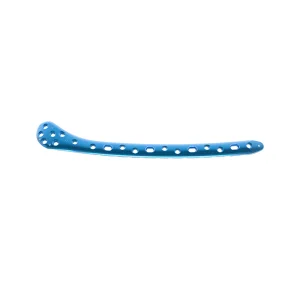 Distal Femur Fracture
Distal Lateral Femur Locking Compression Plate System for Trauma
Best Distal Lateral Femur Locking Compression Plate I Factory, Company -
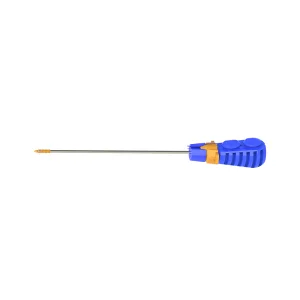 Sports Medicine
Titanium Alloy Knotless Adult Suture Anchor with Surgical Needle
Wholesale Titanium Alloy knotless all adult titanium suture anchor with needle Pricelist, Products -
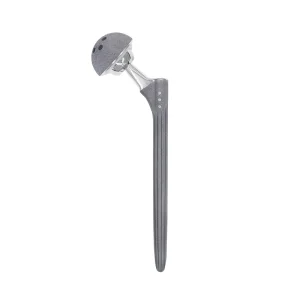 Arthroplasty Solution
DDS Titanium Hip & Joint Implant Prosthesis Arthroplasty Set
ODM Best Selling DDS Titanium Hip and Joint Implant Prosthesis Suppliers, Factories -
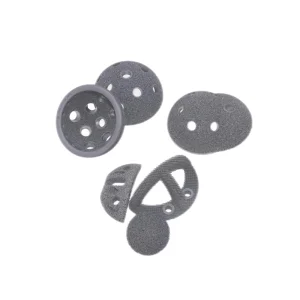 Advanced Revision
3D Printing Acetabular Revision System for Complex Pelvic Loss
ODM 3D Printing Acetabular Revision System Manufacturers, Pricelist -
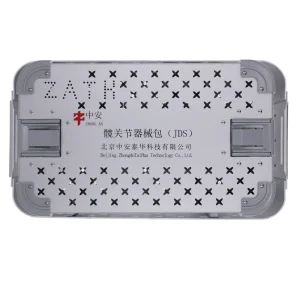 Revision Hip Joint
Orthopedic JDS Stem Hip Revision Implants and Instrument Set
Custom ZATH Orthopedic JDS Stem Hip Revision Instruments Implant Factory, Pricelist -
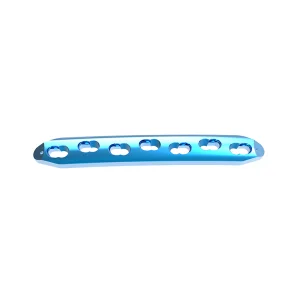 Anatomical Contour
Curved Femoral Shaft Locking Compression Plate for High-Impact Trauma
Famous Curved Femoral Shaft Locking Compression Plate Suppliers, Companies -
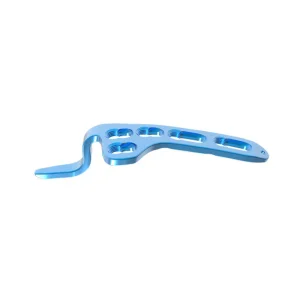 Clavicle / AC Joint
Clavicle Hook Locking Compression Plate for Acromioclavicular Luxation
Buy Clavicle Hook Locking Compression Plate Manufacturer, Supplier -
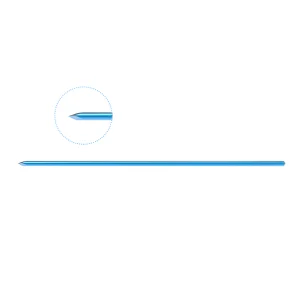 Skeletal Traction
Medical Titanium Alloy Orthopedic Bone Pin for Skeletal Fixation
Best Titanium Alloy Orthopedic Bone Pin Factories, Company
Frequently Asked Questions for Nigerian Buyers
Essential guidance covering technical compliance, regulatory imports via NAFDAC, product customization, and shipping logistics to Nigeria.
What specific CE and ISO documentation is provided for Nigerian import clearance?
How does the thoracolumbar pedicle screw system perform in osteoporotic or comminuted bone?
What are the logistics lead times and transit channels to major Nigerian airports?
Are surgical instrument sets supplied with the spinal fixation implants?
Can hospital groups and regional distributors request OEM branding or tailored sizing?
Direct Factory Quotations for Nigerian Healthcare Providers
Connect with our technical engineering consultants today. Receive detailed mechanical test summaries, complete regulatory dossiers, and competitive wholesale quote pricing tailored for the Nigerian orthopedic market.
Send Inquiry Now