
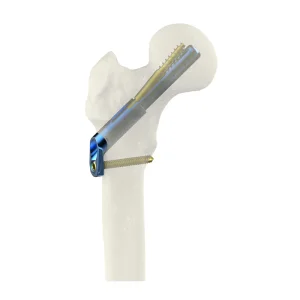
Primary Trauma & Reconstruction Solutions
Featured Orthopedic Systems for London Clinical Procurement
High-precision internal fixation implants manufactured from biocompatible Ti-6Al-4V ELI medical alloy, pre-configured for urgent delivery to UK surgical distributors and NHS Trusts.
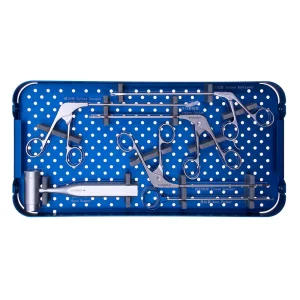
OEM Shoulder Arthroscopy Instrument set Supplier, Product
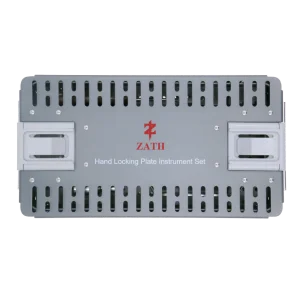
Cheap Hand Locking Plate Instrument Set (Lite) Pricelist, Exporters
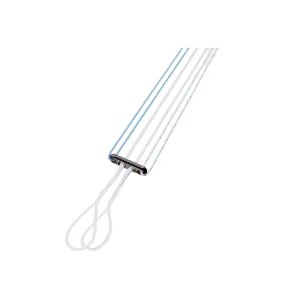
OEM SuperFix Titanium Endo Button With Loop Surgical Operations Company, Companies
Industry Whitepaper & Strategic Insight
The Cannulated Screw Landscape in the Greater London Healthcare Ecosystem
An authoritative clinical and commercial analysis bridging tier-one Chinese manufacturing precision with the procurement frameworks of the UK National Health Service and independent London surgical clinics.
The Clinical Mandate in London's Major Trauma Network
The Greater London trauma network is one of the densest and most clinically rigorous surgical jurisdictions in the world. Serviced by four flagship Major Trauma Centres (MTCs)—The Royal London Hospital (Barts Health NHS Trust), St George's Hospital, King's College Hospital, and St Mary's Hospital (Imperial College Healthcare NHS Trust)—the capital processes tens of thousands of complex osteosynthetic surgeries every year.
Cannulated screws represent an indispensable biomechanical pillar within this landscape. From percutaneous fixation of intracapsular femoral neck fractures (Garden Type I–IV) in an increasingly aging demographic, to Herbert-style headless double-threaded compression fixation of carpal scaphoid non-unions among active urban professionals, cannulated systems deliver the high interfragmentary compression required for primary union without extensive periosteal stripping.
However, London healthcare providers are squeezed by an acute double challenge: the severe post-pandemic surgical waiting list backlog overseen by NHS England, coupled with intensifying procurement cost containment under the NHS Supply Chain Framework Agreements. This dynamic has accelerated demand for qualified OEM/ODM Chinese manufacturing partners who provide fully compliant, ISO 13485-certified implants at 35% to 50% lower capital expenditure.
Independent Sector Growth: Harley Street & Private Hubs
Concurrently, London's private healthcare corridor—spanning Marylebone, The London Clinic, Cleveland Clinic London, and Cromwell Hospital—has experienced unprecedented growth in elective foot and ankle, sports medicine, and hand reconstruction procedures. Private orthopaedic surgeons prioritize implants that combine exceptional cannulation concentricity, self-drilling reverse flutes, and sterile peel-pouch double-barrier packaging to optimize theatre throughput and eliminate surgical site infection (SSI) vectors.
Global Industry Evolution
Global Commercial & Engineering Trends in Cannulated Fixation
An overview of how modern biomechanics, metallurgical sciences, and automated five-axis Swiss-lathe processing are shaping the next generation of internal fixation hardware.
Differential Thread Pitch Mechanics
Global trauma research emphasizes headless compression screws featuring differential lead pitches between proximal and distal thread clusters. As the screw engages across the fracture boundary, the distal thread advances faster than the proximal trailing thread, creating controlled interfragmentary dynamic compression without head impingement against adjacent cartilage.
Deep-Hole Gun Drilling Accuracy
The defining technical quality of cannulated screws is central bore concentricity. Any wall thickness irregularity results in micro-deflections under torsional load or catastrophic intraoperative binding along the guide wire. Chinese manufacturing facilities like ZATH now employ ultra-precise deep-hole gun drilling that maintains bore straightness within 0.02mm across lengths up to 130mm.
Surface Passivation & Biocompatibility
Conforming to ASTM F136 and ISO 5832-3 standards for Ti-6Al-4V ELI (Extra Low Interstitial) grade titanium alloys, medical implants receive electrochemical micro-polishing and Type II anodization. This creates an inert titanium oxide (TiO2) protective barrier that eliminates metallic ion leaching and minimizes soft tissue adhesion for ease of hardware removal.
Surgical Indication Pathways
Localized Application Scenarios in London Operating Theatres
Targeted cannulated implant specifications aligned with British Orthopaedic Association (BOA) guidelines and National Institute for Health and Care Excellence (NICE) clinical pathways.
| Anatomical Indication | Typical Clinical Diameter | Surgical Configuration | London Theatre Operational Requirements |
|---|---|---|---|
| Femoral Neck Fractures (Intracapsular) | Ø6.5mm / Ø7.3mm Partially Threaded | Inverted Triangle 3-Screw Construct or FNAS System | Fluoroscopically guided parallel pin placement with minimal soft-tissue incision; critical for reducing avascular necrosis (AVN) rates in NHS acute geriatric wards. |
| Carpal Scaphoid Waist Fractures | Ø2.4mm / Ø3.0mm Headless Compression | Central Axis Herbert Cannulated Screw | Percutaneous dorsal or volar insertion under mini C-arm fluoroscopy; countersink depth design preserves articular radioscaphoid cartilage. |
| Ankle Syndesmosis & Arthrodesis | Ø4.0mm / Ø4.5mm Partially / Fully Threaded | Cross-tibiotalar or Trans-syndesmotic Lag Fixation | High torsional resistance against physiological shear forces during early protected weight-bearing regimens recommended by London sports rehabilitation clinics. |
| Slipped Capital Femoral Epiphysis (SCFE) | Ø6.5mm / Ø7.0mm Smooth Shaft Cannulated | Single Central Epiphyseal Pinning | Pediatric orthopaedic trauma units (e.g., Great Ormond Street Hospital guidelines) requiring precisely measured thread engagement to arrest further epiphyseal slippage. |
| Tibial Plateau & Calcaneal Fractures | Ø4.5mm / Ø6.5mm Cancellous Cannulated | Subchondral Raft & Sustentaculum Tali Fixation | Washers integrated to distribute compressive loads across osteopenic bone, preventing lateral cortical breach during intraoperative torque application. |
Technical Roadmap & Engineering Rigor
Advanced Manufacturing Roadmap: 2026–2030 Precision Outlook
How Beijing ZhongAnTaiHua (ZATH) maintains metallurgical superiority, robotic navigation compliance, and sustainable production processes.
Phase 1: Robotic & Navigated Synergy
London surgical suites are increasingly adopting computer-assisted navigation and robotic arms (such as Stryker Mako and Corin OMNIBotics). ZATH’s cannulated screw roadmap incorporates optical sensor-compatible quick-release driving shafts, calibrated to integrate with surgical drill guides for sub-millimeter trajectory execution.
Phase 2: Bioresorbable Magnesium Composites
To eliminate the secondary surgery requirement for hardware removal—a significant financial and bed-occupancy burden across NHS trusts—ZATH R&D is progressing bioabsorbable magnesium-zinc-calcium alloy cannulated designs with controlled in-vivo degradation profiles calibrated to clinical bone regeneration curves.
Phase 3: Digital Lot Verification & UDI
In accordance with MHRA (Medicines and Healthcare products Regulatory Agency) directives, every single cannulated screw produced in our Beijing facility features high-resolution laser-etched 2D DataMatrix Unique Device Identification (UDI), linking directly to metallurgical melt certificates, batch sterilization records, and inspection logs.
Partner Directly with China’s Leading Orthopedic Manufacturer
Supply your hospital group, surgical distribution network, or OEM brand in London with precision cannulated screws, locking plates, and custom surgical instruments at uncompromised quality.
Send Inquiry Now
Supply Chain Strategy
Macro Solutions for UK Medical Device Distributors
Overcoming regulatory transitions, tariff complexities, and lead-time constraints through direct, accountable manufacturing partnerships.
Bridging the UKCA & EU MDR Regulatory Divide
Navigating the post-Brexit regulatory landscape is a central concern for British medical procurement directors. Following the UK government's extension of CE mark recognition under EU MDR transition timelines, ZATH maintains dual-track conformity: our ISO 13485 QMS ensures full technical dossier alignment with both MHRA UKCA requirements and EU Regulation 2017/745.
Distributors sourcing cannulated screws from ZATH receive comprehensive Design Dossiers, Bio-compatibility Testing Documentation (ISO 10993 series), Mechanical Fatigue Validation reports (ASTM F543 axial pull-out and torsional yield), and Ethylene Oxide (EO) Sterilization Validation dossiers (ISO 11135), dramatically lowering local regulatory submission timelines.
Dedicated Contract OEM / ODM Capabilities
Beyond our proprietary catalog, ZATH delivers comprehensive contract manufacturing services. Whether UK partners require custom cannulation inner diameters, specialized self-tapping flute angles, proprietary color anodization for quick surgical size recognition, or sterile-packed private label kit configurations, our 300+ facility in Beijing delivers rapid prototyping to commercial scale.
Air Cargo Agility: Beijing Capital (PEK) to London Heathrow (LHR)
Supply chain security is non-negotiable for acute orthopaedic inventory. ZATH operates dedicated logistics protocols with global express couriers (DHL, FedEx, UPS) and scheduled commercial air cargo. Standard production replenishment orders arrive at London warehousing facilities within 4 to 6 business days from dispatch, backed by real-time milestone tracking and end-to-end temperature and humidity controls for sterile goods.
Procurement Intelligence
Frequently Asked Questions for UK Healthcare Buyers
Direct technical and operational answers to support supplier qualification and contract assessment.
What raw materials are utilized in ZATH cannulated screw production?
All ZATH cannulated screws are manufactured strictly from medical-grade Ti-6Al-4V ELI (Extra Low Interstitial) titanium alloy compliant with ISO 5832-3 and ASTM F136 specifications, or medical grade implantable stainless steel compliant with ISO 5832-1. Every batch is supplied with full raw material chemical composition and mechanical test mill certificates.
How does ZATH ensure guide-wire compatibility and bore straightness?
Each screw undergoes automated deep-hole gun-drilling followed by optical laser concentricity verification. Cannulation runout is held within <0.02mm, guaranteeing that guide pins (ranging from Ø0.8mm for micro screws to Ø3.2mm for large cannulated screws) pass smoothly through the cannulation without binding or galling during intraoperative insertion.
Are the implants delivered non-sterile or in validated sterile blister packaging?
Both options are available. For hospital systems and distributors seeking to streamline theatre workflow and reduce CSSD autoclave expenses, ZATH supplies cannulated screws in ISO Class 7 cleanroom-sealed double Tyvek blister packaging sterilized via Ethylene Oxide (EO) or Gamma irradiation with a verified 5-year sterile shelf life.
What documentation is provided to support UK MHRA registration?
We furnish our UK partners with comprehensive technical files including ISO 13485 certification, biocompatibility evaluation data under ISO 10993, static and dynamic torsional/axial extraction test data according to ASTM F543, risk management documentation according to ISO 14971, and clinical evaluation reports (CER).
What are the typical OEM/ODM minimum order quantities and turnaround times?
Standard catalog products have low MOQs to support initial trial sets and hospital inventory stocking. Customized OEM configurations (special head designs, tailored thread lengths, custom laser marking) require 50–100 units per specification, with prototype sampling completed in 14 business days and batch production delivered in 30 days.
Comprehensive System Portfolio
Extended Surgical Solutions for the United Kingdom Healthcare Market
Precision-manufactured joint replacement prostheses, spinal instrumentation, sports medicine soft-tissue anchors, and trauma compression systems.
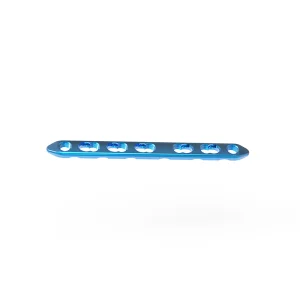
Custom Radius-Ulna Limited Contact Locking Compression Plate Factory, Exporter
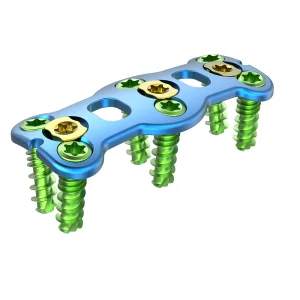
CE Certification High quality Orthopedic Cervical Shielder ACP Plate System Manufacturer, Suppliers
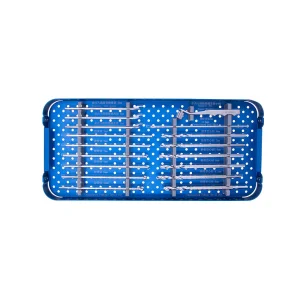
Buy ACL/PCL Reconstruction Instrument Set Supplier, Exporters
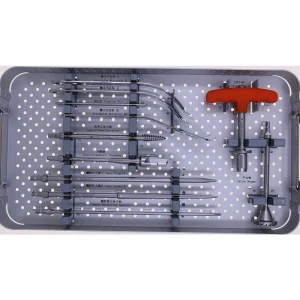
Famous CE Approved Orthopedic Implant THA Hip Instrument Set Femoral Part Supplier, Service
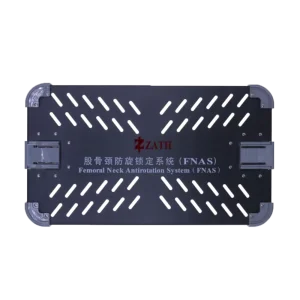
Famous Femoral Neck Antirotation System (FNAS Instrument Set) Supplier, Products
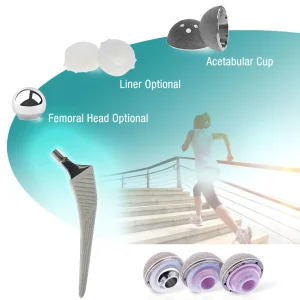
Discount Professional Medical Hip Implant Titanium Bipolar Hip Joint Prosthesis Manufacturers, Supplier
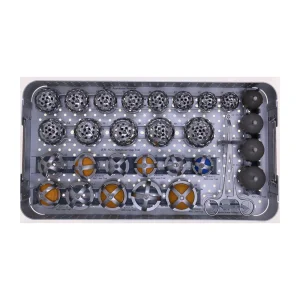
High-Quality Hip Joint Replacement Universal Instrument Set (Acetabular Part) Exporter, Products
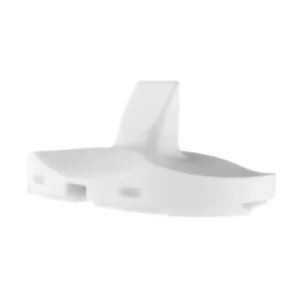
Wholesale Enable Tibial Insert Knee Joint Prosthesis Pricelist, Exporters
Initiate Your Cannulated Screw Evaluation for the UK Market
Contact our clinical engineering team today to request complete orthopaedic product catalogs, material traceability dossiers, and direct factory price quotations for your London-area distribution requirements.