
Clinical External Fixation Hardware for Uzbekistan Healthcare Facilities
Pre-qualified modular and unilateral external fixators engineered with medical-grade titanium and 316LVM surgical stainless steel for high-velocity orthopedic damage control.
-
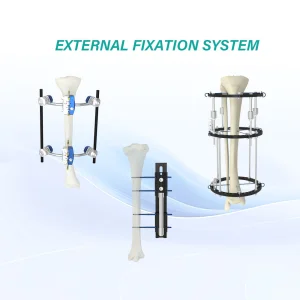
Uzbekistan Trauma Care Stainless External Fixation Fixator System (Synthes Compatible) Pricelist & Factory Quotes
-
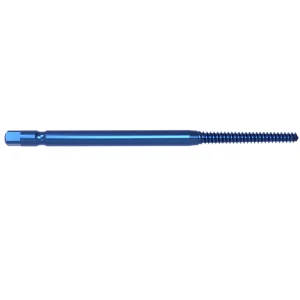
CE Certification Self-Drilling Schanz Pins & Transfixion Wires for Uzbekistan Emergency External Fixation Quotes
-
Medical Grade Hydroxyapatite Coated Pins for External Fixation Frameworks Supplied to Tashkent Traumatology
-
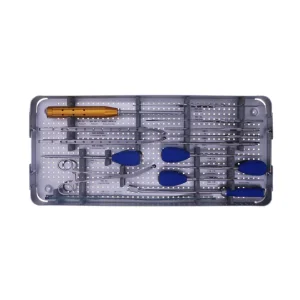
Universal Orthopedic Instrument Set & External Fixation Wrenches for Central Asian Regional Emergency Centers
The External Fixation Industry & Clinical Landscape in Uzbekistan
A comprehensive analysis of rapid public healthcare reforms, traumatology case volume growth, and supply chain shifts shaping procurement across Central Asia's largest market.
The Republic of Uzbekistan is currently undergoing the most significant healthcare transformation in Central Asia. Driven by the national modernization targets set under the "Uzbekistan - 2030" Strategy, the Ministry of Health has prioritized the decentralized upgrading of trauma centers, surgical departments, and tertiary orthopedic institutes. The Republican Specialized Scientific and Practical Medical Center of Traumatology and Orthopedics (RSSPMCTO) in Tashkent, alongside regional branch centers in Samarkand, Andijan, Fergana, and Namangan, handles an unprecedented volume of complex musculo-skeletal trauma annually.
The clinical demand for high-reliability external fixation systems in Uzbekistan is fundamentally shaped by macro-economic infrastructure expansion. Major highway corridors—such as the M39 highway connecting Tashkent to Samarkand and Termez, alongside expanding industrial belts in Navoi and Almalyk—have catalyzed heavy commercial transport. Consequently, high-energy polytrauma, open tibial and femoral shaft fractures (Gustilo-Anderson Types II and III), and severe pelvic disruptions represent a major percentage of emergency hospital admissions. For these critical indications, external fixation remains the frontline gold standard for Damage Control Orthopedics (DCO).
From an enterprise procurement perspective, Uzbekistan represents a transition economy with a bifurcated purchasing ecosystem. On one hand, centralized state procurement tenders via state entities such as Uzmedimpex demand strict ISO 13485 compliance, CE certifications, and aggressive cost containment. On the other hand, the rapid expansion of private surgical hospitals in Tashkent, Bukhara, and Urgench has created a flourishing market for premium titanium systems, limb-lengthening circular frames, and custom pediatric reconstructive devices.
External Fixation B2B Quotes: Central Asian Tenders vs. Global Benchmarks
Understanding cost structures, margin allocations, and total cost of ownership (TCO) for hospitals and medical equipment distributors operating within Uzbekistan.
Procurement directors and medical distributors in Uzbekistan operate under strict fiscal realities. Historically, hospitals were forced to choose between exorbitant Western multinational brands (such as DePuy Synthes, Stryker, and Smith & Nephew) and low-cost, inconsistent suppliers that lacked consistent biological traceability. Today, high-precision Chinese orthopedic manufacturing delivers a third, optimal pathway: surgical-grade raw materials and ISO 13485 cleanroom manufacturing at a fraction of Western capital expense.
| Fixator System Classification | Western Tier-1 Benchmark (FOB USD) | Indian / Turkish Tier-2 (FOB USD) | Chinese Precision OEM (ZATH Tier) | Uzbek Tender Viability Index |
|---|---|---|---|---|
| Standard Unilateral Modular Frame (Rod-to-Pin Clamps, Connecting Rods, 4 Schanz Pins) | $850 – $1,400 | $320 – $480 | $180 – $290 | Optimal (98%) — Highest Volume State Tenders |
| Hybrid Ring / Circular System (Ilizarov Type, 2 Rings, Transfixion Wires, Threaded Rods) | $1,600 – $2,800 | $650 – $950 | $380 – $550 | High (94%) — Reconstruction & Non-Union Hubs |
| Computer-Assisted Hexapod Deformity Frame (Software-guided Struts, Carbon Rings) | $4,500 – $8,000 | $2,200 – $3,100 | $1,100 – $1,750 | Expanding (85%) — Academic Institutes & Private ORs |
| Emergency Pelvic C-Clamp Fixator (Quick-insertion trocars, spring-loaded pins) | $3,200 – $5,500 | $1,400 – $2,000 | $680 – $1,050 | High (92%) — Level-1 Emergency Resuscitation |
When factoring in import tariffs, VAT clearance under the State Customs Committee of the Republic of Uzbekistan, and the cost of mandatory national registration with the State Center for Expertise and Standardization of Medicines, Medical Devices and Medical Equipment, partnering directly with a certified Chinese manufacturing source provides Uzbek distributors with gross operating margins of 35% to 55%, compared to less than 15% when dealing with Western intermediary supply lines.
Engineering Superiority: Why Chinese Factories Lead External Fixation Manufacturing
Combining advanced multi-axis CNC subtractive engineering, aerospace-grade metallurgical integrity, and integrated cleanroom packaging under one audited umbrella.
Micron-Tolerance CNC Machining & Surface Passivation
Our Beijing manufacturing facility utilizes multi-axis Swiss-lathe turning centers and 5-axis vertical machining equipment capable of executing intricate clamp gear teeth, self-tapping pin threads, and ball-joint collets with repeatable tolerances within ±0.005mm. Every component undergoes validated electrolytic polishing and chemical passivation to eliminate free iron ions, guaranteeing complete corrosion resistance when exposed to harsh biological fluids and frequent autoclaving cycles.
ISO 13485 & Full Raw Material Traceability
Every batch of Ti-6Al-4V ELI (Grade 5 Titanium) and 316LVM medical-grade stainless steel is sourced exclusively with certified mill inspection reports. Raw billets undergo ultrasonic non-destructive flaw detection prior to spindle loading, ensuring zero microscopic voids or micro-cracks inside critical structural pins.
Carbon Fiber Composite Engineering
To meet modern orthopedic radiolucency criteria, our ring components and connecting bars employ high-modulus carbon-fiber reinforced epoxy composites. This delivers immense bending rigidity while allowing Uzbek trauma surgeons 100% unimpeded intraoperative fluoroscopic C-arm visibility during anatomical reduction.
Direct China-Central Asia Freight Corridors
Unlike Western suppliers facing complex maritime route disruptions, our facility in Beijing links seamlessly with direct China-Europe freight trains (Chongqing/Xi'an - Khorgos/Alashankou - Tashkent) and expedited air cargo networks via Urumqi or Beijing Capital International Airport (PEK). Emergency fixation sets reach Tashkent customs terminals in as little as 3 to 5 business days.
Localized Application Scenarios in Uzbek Trauma & Orthopedic Surgery
Engineered to adapt directly to the specific epidemiological, environmental, and institutional parameters of Central Asian healthcare networks.
1. Damage Control Orthopedics in High-Velocity Traffic Collisions
Along the high-traffic arterial networks connecting Tashkent with the Fergana Valley (Kamchik Pass), emergency surgeons frequently encounter severe polytrauma with unstable hemodynamic indices. In these urgent contexts, lengthy internal open reduction and internal fixation (ORIF) is clinically contraindicated due to systemic inflammatory response syndrome (SIRS). Our modular unilateral external fixators feature quick-clamp snapping mechanisms that allow rapid bridge span fixation across femoral and tibial joints in under 20 minutes, stabilizing bony fragments, protecting compromised neurovascular bundles, and dramatically lowering mortality risks.
2. Reconstruction of Chronic Post-Traumatic Osteomyelitis & Infected Non-Unions
Infection following primary trauma remains a major clinical challenge across regional hospitals in Samarkand, Kashkadarya, and Surkhandarya. When infected non-unions develop, internal hardware must be surgically explanted. Our Ilizarov-type circular ring fixators and hybrid tensioned-wire systems permit comprehensive radical bone resection followed by the classic distraction osteogenesis technique (bone transport). The rigidity of the circular frame withstands full physiological weight-bearing while keeping foreign metal implants entirely exterior to the infected surgical bed.
3. Congenital Deformity Correction & Pediatric Limb Lengthening
Institutions such as the National Children's Medical Center in Tashkent handle complex pediatric lower-limb deformities, including blount disease, fibular hemimelia, and achondroplasia. Our specialized pediatric external fixator series incorporates lightweight, ultra-compact carbon-aluminum alloy mini-rings and micro-adjustable telescopic rods. These systems provide precise millimeter-scale distraction without imposing excessive mechanical weight upon pediatric patients, fostering superior compliance and bone consolidation.
4. Severe Open Crushing Injuries in Agricultural & Industrial Regions
In agricultural zones specializing in cotton and grain harvesting, as well as industrial mining operations in Navoi and Almalyk, machinery accidents often cause severe soft-tissue degloving combined with comminuted peri-articular fractures. Our multi-planar bridging systems establish rigid skeletal stability while creating an open surgical envelope that gives plastic and reconstructive surgeons uninhibited 360-degree access for microvascular soft-tissue flap reconstruction, negative-pressure wound therapy (NPWT), and secondary revision.
Regulatory Support, Registration & B2B Supply Chain Optimization
How we empower healthcare enterprises, wholesale tender winners, and private clinic networks across Uzbekistan to navigate technical compliance and ensure seamless product imports.
Turnkey Regulatory Dossiers for Uzbek MOH Registration
Navigating the State Center for Expertise and Standardization of Medicines and Medical Devices requires exhaustive technical documentation. We supply full technical construction files (TCF), biocompatibility validation test reports (ISO 10993), accelerated aging studies, Free Sale Certificates (FSC), and ISO 13485 audit documentation translated into Russian and Uzbek.
Sterile-Barrier Packaging for Operating Room Safety
All fixator pins, transfixion wires, and emergency kits are available in validated medical-grade Tyvek blister packaging, sterilized via gamma irradiation or ethylene oxide (EO). This eliminates autoclaving bottlenecks in high-volume municipal trauma centers and guarantees sterile delivery right to the operating theater table.
Flexible Financial Terms & Letters of Credit (L/C)
We work directly with prominent Uzbek banking institutions (such as National Bank of Uzbekistan, Ipoteka Bank, and Hamkorbank). Our finance teams accommodate formal Letters of Credit, structured milestone financing, and CIP Tashkent freight settlements to support large-scale government procurement programs.
Integrated Orthopedic Trauma, Spine & Joint Platforms for Uzbekistan
Explore our complete ISO 13485 certified surgical inventory engineered to match complex traumatology requirements alongside external fixation applications.
-
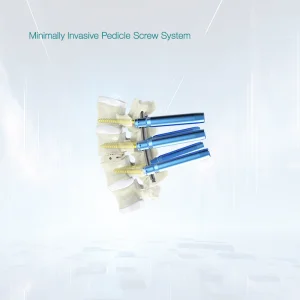
OEM High Quality Minimally Invasive Spine Pedicle Screw System for Uzbekistan Complex Spinal Trauma Reconstruction
-
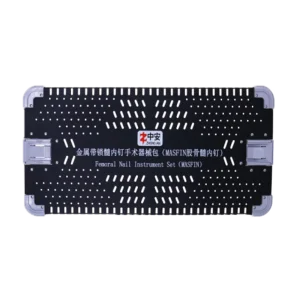
China Expert Femur Intramedullary Interlocking Nail & Instrument Set Supplied to Tashkent Emergency Traumatology Centers
-
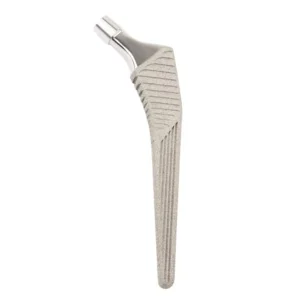
CE Certification ADS Femoral Stem for Hip Prosthesis Primary Arthroplasty Product & Service Across Uzbekistan Hospitals
-
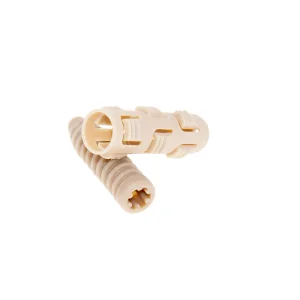
OEM Sports Medicine Titanium & PEEK Suture Anchor Implants for Arthroscopic Soft-Tissue Surgery in Central Asia
-
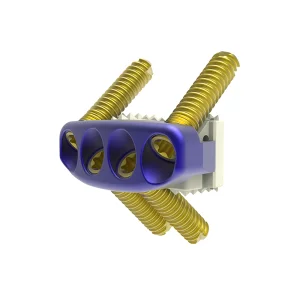
Medical Grade PEEK Cervical Interbody Fusion Cage System CE FSC ISO Insured Supplier Exporter for Uzbek Spine Clinics
-
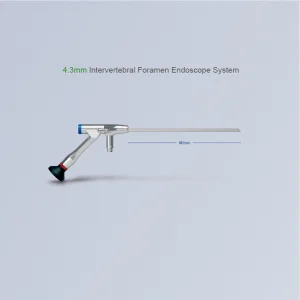
ODM 4.3mm Precision Intervertebral Foramen Endoscope Optical System for Spine Decompression Procedures in Tashkent
-
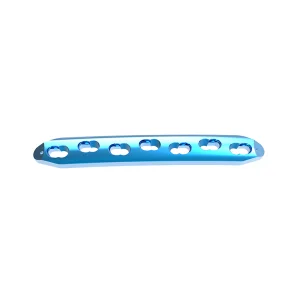
Anatomical Curved Femoral Shaft Locking Compression Plate Trauma Systems for Samarkand Orthopedic Divisions
-
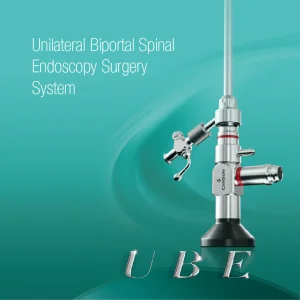
Custom Advanced Unilateral Biportal Endoscopy (UBE) Spinal Surgery Instrument Station for Uzbekistan Medical Tenders
Frequently Asked Questions: External Fixation Sourcing in Uzbekistan
Essential guidance for hospital biomedical engineers, import managers, and orthopedic distributors qualifying suppliers for Central Asian deployment.
What are the statutory registration requirements for importing external fixation hardware into Uzbekistan?
All medical devices entering the Republic of Uzbekistan must undergo official state registration and safety appraisal governed by the State Center for Expertise and Standardization of Medicines, Medical Devices and Medical Equipment under the Ministry of Health. Foreign manufacturers must submit a complete technical dossier, ISO 13485 certification, Certificate of Conformity (CE) or national Free Sale Certificate (FSC), chemical and mechanical testing validation files, clinical performance summaries, and product user manuals translated into Uzbek and Russian. As an experienced direct manufacturer, we provide turnkey support to our Uzbek commercial partners, including notarized apostille documentation, complete testing protocols, and biological evaluation files to accelerate your local registration timeline down to 4–6 months.
How do Chinese external fixation quotes compare economically to Western or Turkish alternatives in Uzbek government tenders?
Direct sourcing from a qualified Chinese orthopedic manufacturer typically yields a 60% to 75% cost reduction compared to Western Tier-1 brands (such as Synthes, Stryker, or Orthofix) and a 20% to 35% price advantage over Turkish or Indian alternatives, while matching or exceeding Western structural metallurgical tolerances. In large-scale state health procurement tenders conducted via Uzmedimpex, this competitive edge enables local distributors to submit highly compliant bids with substantial profit margins while strictly meeting hospital budget ceiling thresholds.
Are ZATH external fixation components fully compatible with standard AO/Synthes systems already deployed in Tashkent clinics?
Yes. Our external fixation product lines are precision engineered following standardized AO international clinical principles. Connecting rods (available in Ø4.0mm, Ø8.0mm, and Ø11.0mm diameters), pin-to-rod clamps, universal joints, and Schanz pins feature standard threading profiles and quick-connect geometries. This ensures that surgeons in operating theaters throughout Uzbekistan can effortlessly interlock our clamps, pins, and wrenches with existing hospital sets without requiring costly replacement of their legacy instrument trays.
What are the primary logistical freight routes and delivery schedules from your Beijing factory to Tashkent?
We provide two primary transport channels. For routine commercial stock replenishment and bulk hospital tender deliveries, we utilize direct China-Central Asia container rail freight passing through the Khorgos or Alashankou border ports directly into Chukursay Freight Station in Tashkent, with an average transit time of 10 to 14 days. For emergency trauma hardware demands or urgent surgical trial batches, air freight shipments dispatched via DHL, FedEx, or Uzbekistan Airways direct flights land at Tashkent International Airport (TAS) within 3 to 5 business days, accompanied by full customs-cleared airway bills and packing declarations.
Can external fixation clamps and rings withstand repeated high-pressure autoclave sterilization in local hospitals?
Absolutely. Our metallic external fixator frameworks are machined from high-tensile titanium alloy (Ti-6Al-4V ELI) and medical-grade austenitic stainless steel (316LVM), which undergo specialized multi-phase electrochemical passivation. Our carbon-composite radiolucent rings and struts utilize high-temperature cured epoxy resins engineered to withstand over 500 standard vacuum steam autoclaving cycles at 134°C without structural delamination, loss of clamping torque, or degradation of radiolucent imaging qualities.
Do you offer OEM or private labeling customization for medical distribution brands in Central Asia?
Yes. We provide complete OEM/ODM manufacturing partnerships for qualified orthopedic distributors in Uzbekistan, Kazakhstan, and Kyrgyzstan. This includes high-precision laser marking of your registered brand name and catalogue numbers directly onto fixator components, custom anodization color-coding (e.g., gold, blue, green) for simplified OR size identification, tailored graphic instructions for use (IFU), and custom sterile-barrier packaging designed to meet your regional registration specifications.
What quality certifications are supplied with each export consignment to verify lot integrity?
Every commercial shipment leaves our facility accompanied by a comprehensive Certificate of Quality (CoQ), raw material batch test certificates detailing metallurgical chemical composition and tensile strength, dimensional inspection records, and bio-burden or sterility validation reports if pre-packaged sterile. Each individual component is laser-etched with a discrete, traceable batch number that links directly to our quality assurance archiving system in full alignment with ISO 13485 standards.
What clinical training resources and technical documentation do you provide for surgical teams in Uzbekistan?
We believe clinical education is paramount to surgical outcomes. We supply comprehensive surgical technique manuals, detailed mechanical pin-placement guidelines, animated step-by-step frame assembly videos, and Russian-language reference guides. Additionally, our senior biomedical engineering team coordinates with your local clinical product specialists via live teleconferences to advise on complex multi-plane reconstructions, hexapod software trajectory planning, and pediatric deformity configurations.
Equip Your Healthcare Network with Factory-Direct Fixation Systems
Connect with our Central Asia procurement engineering desk today to obtain comprehensive wholesale pricelists, customized OEM specifications, tender qualification files, and physical evaluation samples delivered directly to your office in Tashkent or Samarkand.