
High-Precision Hip Joint Replacement Solutions for Greek Surgical Centers
Engineered to meet Greek ESY procurement standards and private clinic demands, combining anatomical femoral geometry with superior tribological ceramic and titanium interfaces.
-
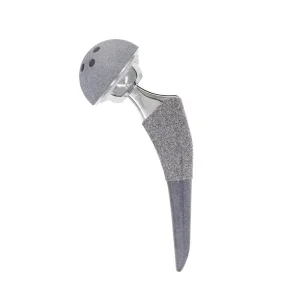 Ti Alloy JDS Total Hip Replacement Prosthesis System (Greece Clinical Supply)View Clinical Specs
-
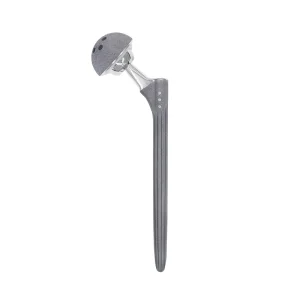 DDS Cementless Titanium Hip Joint Stem & Acetabular Prosthesis (Greece ESY Standard)Explore OEM Details
-
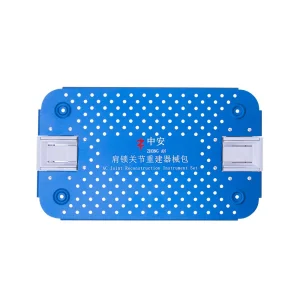 Anatomical AC Joint & Hip Surgical Reconstruction Instrument Kit (Athens Ortho Compatible)Technical Datasheet
-
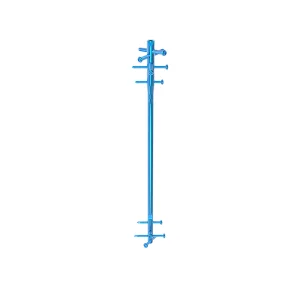 Expert Fracture & Tibia Intramedullary Fixation Nail System (CE Compliant)Product Inquiries
Demographic Shifts and Arthroplasty Demands across the Hellenic Republic
Greece presents a distinct and urgent epidemiological landscape in Southeastern Europe. With one of the world's highest proportions of citizens over the age of 65—surpassing 22.8%—degenerative musculoskeletal disorders, notably advanced osteoarthritis and osteoporosis-related femoral neck fractures, have surged dramatically.
The Greek National Health System (Ethniko Systima Ygeias - ESY), along with major academic and regional medical centers in Athens, Thessaloniki, Patras, and Heraklion, experiences steady procedural demand for Total Hip Arthroplasty (THA) and Hemiarthroplasty. Despite rigorous fiscal monitoring overseen by the Greek Ministry of Health and procurement agencies like EKAPY (National Central Authority of Health Procurements), public hospitals continually grapple with budget constraints, lengthy waiting lists, and device price-cap caps.
Clinical Procurement Reality: Greek surgical teams require class-leading tribological wear rates, biological secondary fixation via plasma titanium coating, and standardized ergonomics—at manufacturing cost tiers that fulfill strict tenders and DRG pricing frameworks.
Consequently, Greek medical device distributors and hospital consortiums are transitioning away from cost-prohibitive Western European conglomerates toward certified high-volume OEM manufacturers capable of supplying identical or superior Ti6Al4V ELI implants alongside localized surgical instrumentation.
Public ESY vs. Private Healthcare Dynamics in Greece
Orthopedic clinical practice in Greece is sharply bifurcated between the public sector (ESY) and an expansive, competitive private healthcare market led by prestigious groups such as Hellenic Healthcare Group (HHG), Hygeia, Metropolitan Hospital, and Euroclinic.
In the public sphere, purchasing is governed by centralized tender bids where price-to-performance efficiency, sterile single-pack compliance, and comprehensive technical documentation are paramount. Private hospital centers, however, prioritize rapid patient mobilization, high-flexion implant dynamics, ceramic-on-ceramic (CoC) or ceramic-on-highly-crosslinked-polyethylene (CoP) bearing surfaces, and minimally invasive surgical (MIS) instrumentation.
Furthermore, Greece's prominent position as a medical tourism destination for retirees across Europe and the Middle East necessitates orthopedic prostheses that offer uncompromised longevity, low revision risks, and universal surgical accessibility.
By establishing strategic supply partnerships with cutting-edge Chinese engineering facilities, Greek distributors secure resilient inventory reserves, shielding local surgeons from severe inventory deficits during seasonal demand spikes across both mainland hospitals and island communities.
Engineering Superiority: Why Global Orthopedic Brands Partner with ZATH
From metallurgical verification to nano-level surface modification, discover how our Beijing-based precision facility delivers orthopedic implants with exceptional clinical consistency.
Aerospace-Grade Ti6Al4V ELI Metallurgy
Implants are forged from premium medical-grade Titanium Alloy (ISO 5832-3 / ASTM F136). The material exhibits exceptional biocompatibility, high fatigue endurance, and an elasticity modulus matched to natural cortical bone, reducing stress shielding.
5-Axis CNC Precision & 3D Porous Coatings
Utilizing high-end DMG MORI multi-axis machining centers, our femoral stems achieve sub-micron dimensional tolerances. Vacuum plasma-sprayed titanium and hydroxyapatite (HA) coatings promote rapid osseointegration and long-term mechanical stability.
ISO 13485 Validated Cleanroom Packaging
Every arthroplasty component is processed and packaged inside continuous Class 10,000 / ISO Class 7 cleanrooms. Packaged in sterile double-blister barriers validated for 5-year shelf lives, eliminating terminal hospital reprocessing costs.
Scalable OEM / ODM & Custom Branding
Full support for European brand owners. We provide customized laser-marking, patient-matched custom sizes, bespoke acetabular revision solutions, specialized tray packaging, and bilingual technical dossier localization for CE registration.
Significant Cost Optimization
Direct-from-manufacturer pricing structures offer Greek and European partners a 35% to 60% procurement margin advantage over traditional brand brokers, facilitating competitive tender bidding while maintaining premier surgical grade standards.
Complete Matched Surgical Toolkits
Never experience intraoperative sizing mismatches. We supply durable, high-alloy reamers, broaches, trial heads, and inserters configured specifically for anterior, lateral, or posterior hip approaches favored by Greek surgeons.
Standardized Clinical Deployment Across Greece’s Healthcare System
Addressing the full continuum of hip arthroplasty from acute trauma fractures to complex geriatric revisions across regional clinics and metropolitan research institutions.
Emergency Geriatric Trauma Solutions (Hemiarthroplasty)
Fragility hip fractures among octogenarians in Greece represent a critical emergency burden. In regions outside Attica and Central Macedonia—such as the Aegean and Ionian islands—patients must be stabilized rapidly with minimal surgical time.
Our titanium bipolar hip prosthesis systems and TDS cemented femoral stems offer intuitive, single-tray instrumentation that allows Greek orthopedic surgeons to achieve dependable primary stability. The self-centering bipolar head minimizes acetabular reaming, reducing systemic shock and post-operative complications for frail patients.
Elective Primary Total Hip Arthroplasty (THA)
Younger, active osteoarthritic populations treated in Athens and Thessaloniki private clinics demand uncompromising kinematics. The DDS cementless press-fit stem system utilizes a rectangular-tapered wedge design that converts shear forces into compressive axial stability.
Paired with our advanced ceramic acetabular liners and BIOLOX-compatible delta ceramic heads, wear debris is negligible, virtually eliminating osteolysis and extending implant survival past 25 years.
Managing Bone Deficiencies in Acetabular Revision
With an established historical volume of primary hip replacements performed across Greece since the early 2000s, revision procedures are mounting annually. Bone loss, pelvic discontinuity, and periprosthetic fractures require modular interventions.
Our titanium 3D-printed trabecular revision shells, augment wedges, and modular femoral revision stems feature interconnected microporous structures (60-70% porosity, pore size 300-500 µm) replicating cancellous bone, facilitating biological bone ingrowth even in compromised acetabular beds.
Macro Supply Chain Resilience for Island Hospitals
Logistical disruption during Mediterranean winter storms can jeopardize emergency orthopedic hardware stocks in Crete, Rhodes, and Corfu. We coordinate directly with regional distributors to establish predictive safety stocks, barcode lot tracking, and consignment kits that ensure operating rooms remain fully equipped 365 days a year.
Integrated Orthopedic Systems Available for Greek Importers & Hospitals
Explore our complete ecosystem of precision hardware: from external and internal fracture fixation to advanced 3D revision hip components.
-
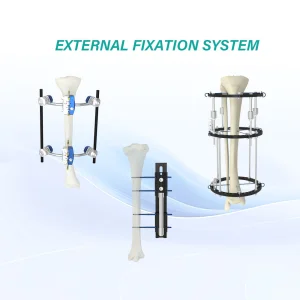 Stainless Steel Synthes-Type External Fixation Fixator Frame (Greece Emergency Trauma)Request Tender Pricing
-
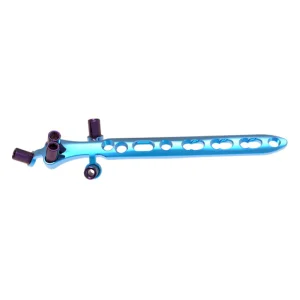 Proximal Ulna ISC Anatomical Locking Compression Plate I (Hellenic Trauma Line)Technical Specs
-
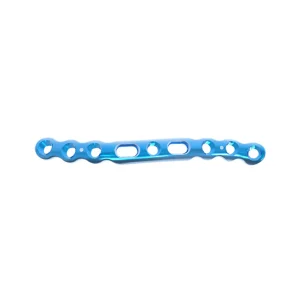 Anteromedial Clavicle Locking Compression Plate System (Titanium Grade 5)Request Catalog
-
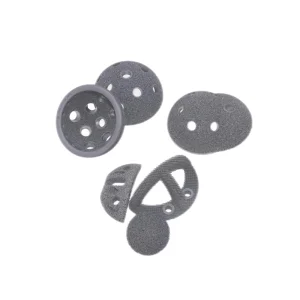 3D-Printed Porous Trabecular Acetabular Revision System (Greek Revision Arthroplasty)Customization Specs
-
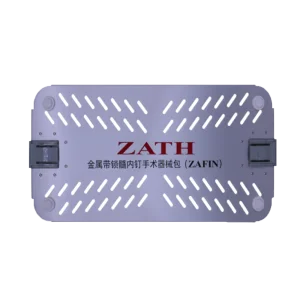 Medical Bone Surgery ZAFIN Femoral Nail Surgical Instrument Kit (Sterilization Ready)Instrument Inquiry
-
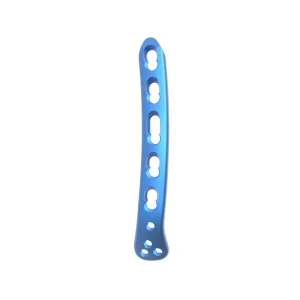 Distal Posterolateral Humerus Locking Compression Plate (Anatomical Low-Profile)View Clinical Drawings
-
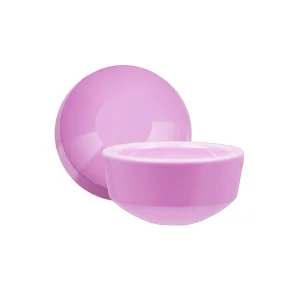 CDC Biocompatible Ceramic Acetabular Liner of Hip Joint Prosthesis (Wear-Resistant)Bearing Surface Data
-
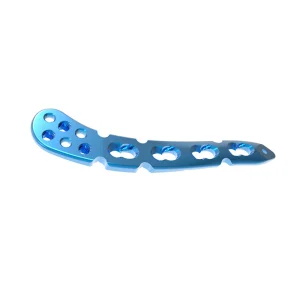 Anatomical Distal Clavicle Fracture Locking Compression Plate (Titanium Trauma Series)Distributor Inquiries
Frequently Asked Questions: Sourcing Hip Joint Systems in Greece
Essential guidance covering registration, quality conformity, logistics, and customized OEM supply for European buyers.
Yes. Our manufacturing facilities are fully audited and certified under ISO 13485 Medical Devices Quality Management System. We provide complete technical documentation, CE certificates, UDEM compliance assessments, and Free Sale Certificates (FSC) to facilitate seamless product notification in Greece’s National Organization for Medicines (EOF) and Grek Hospital Procurement registries (EKAPY).
All hip stems, acetabular cups, ceramic liners, and femoral heads are sterile-packaged within double Tyvek blister packaging inside an ISO Class 7 cleanroom environment. Using ethylene oxide (EO) or gamma radiation sterilization protocols validated to EN ISO 11137 / 11135, our sterile barriers provide a verified 5-year shelf life, enabling hospitals to optimize operating room prep time and infection control.
Absolutely. As an experienced orthopedic manufacturer, we provide turnkey OEM and ODM services. This includes precision laser branding of your company’s logo, custom dimensions tailored to regional anthropometric data, localized Greek/English instruction manuals (IFU), and custom-configured modular surgical instrument containers.
Urgent surgical implant stock is dispatched via international express couriers (DHL, FedEx, UPS) directly to Athens International Airport (ATH) within 4 to 6 business days. For high-volume sea container shipments (such as nationwide annual tender fulfillment), freight reaches the Port of Piraeus or Port of Thessaloniki via direct maritime lines within 24 to 28 days.
Partner with an Accountable Orthopedic Manufacturing Leader
Elevate your clinical outcomes and tender competitiveness with certified, precision-engineered hip joint replacement systems designed for modern arthroplasty excellence.
Send Inquiry Now