
Precision Internal & External Fixation Systems
Sterile-packaged implants, anatomical bone locking plates, and custom orthopedic instrumentation sets manufactured under rigorous ISO 13485 oversight.
Engineering Scale & Global Operational Footprint
Founded in 2009 at the Zhongguancun Science Park in Beijing, Beijing ZhongAnTaiHua Technology Co., Ltd. (ZATH) has expanded into an internationally recognized orthopedic engineering powerhouse.
The Strategic Evolution of Medical Bone Plate Manufacturing
An authoritative evaluation of clinical biomechanics, material science advancements, and high-precision contract manufacturing paradigms in contemporary fracture management.
Biological Internal Fixation
Modern orthopedic surgery has shifted decisively from rigid mechanical immobilization to biological internal fixation (BO concepts). Leading factories optimize osteosynthesis plates to preserve periosteal vascularization through limited-contact undersurface geometries, minimizing cortical bone devascularization while securing multidirectional angular stability.
Material Metallurgy & Purity
Sourcing premium bone plating begins at the ingot stage. Medical-grade Ti-6Al-4V ELI (ASTM F136) and vacuum arc remelted 316LVM implant stainless steel (ASTM F138) ensure ultra-low interstitial content, superior notch toughness, corrosion immunity in aggressive in-vivo electrolytic baths, and prolonged cyclic fatigue strength exceeding 10 million load cycles.
Micron-Tolerance CNC Machining
Precision thread milling of combi-holes demands 5-axis Swiss-style CNC platforms operating with continuous laser tool monitoring. Tight pitch tolerances ensure instantaneous thread engagement between self-tapping locking screws and plate hole threads, eradicating cross-threading risks and mechanical cold-welding during intraoperative tightening.
Global Enterprise Sourcing Criteria for Bone Plating Systems
How tier-one hospital procurement boards, regional ministries of health, and multinational orthopedic distributors qualify contract manufacturing partners.
Full Material Pedigree
Enterprises require 100% heat-lot traceability spanning from the raw melted ingot to the packaged implant. Material test certificates (MTRs) confirming chemical composition, grain structure (ASTM E112), and mechanical tensile thresholds are essential for risk mitigation.
Instrumentation Synergy
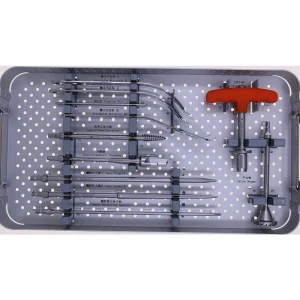
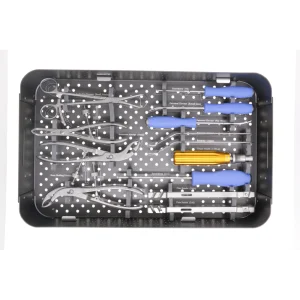
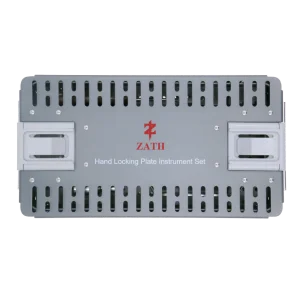
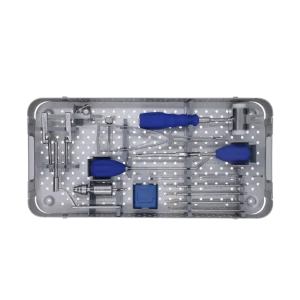
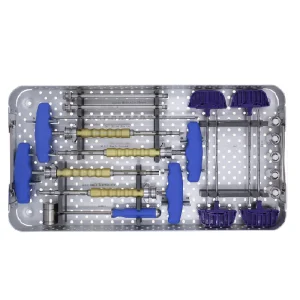
Implant systems are only as effective as their surgical instrumentation. Procurement demands fully integrated kits: quick-release torque-limiting screwdrivers, radiolucent drill guides, depth gauges, and bending templates packaged in hard-anodized sterilization trays.
Supply Continuity & Lead Time
Supply chain fragility is unacceptable in trauma surgery. Global GPOs mandate vendor safety stock agreements, agile manufacturing schedules, and direct partnerships with international logistics carriers guaranteeing 4–6 day arrival timelines worldwide.
Regulatory Dossier Support
Distributor authorization depends on smooth local health authority clearance. The best manufacturing partners deliver complete technical files (STED), biocompatibility data (ISO 10993), packaging shelf-life validation, and clinical evaluation reports (CER).
Biomechanically Engineered Anatomic Fixation Portfolio
Engineered for anatomical conformity, reduced surgical contouring times, and optimized secondary bone healing across complex fracture patterns.
| Plating Category | Anatomical Target | Key Material Spec | Design Innovation | Clinical Advantage |
|---|---|---|---|---|
| Proximal Humerus LCP | Humeral head fractures & osteoporotic splits | Grade 5 Ti-6Al-4V ELI / 316LVM | Convergent/divergent calcar screws, low-profile suture eyelets | Prevents varus collapse, preserves rotator cuff insertion points |
| Distal Radius Volar Plate | Intra-articular Colles / Smith fractures | Anodized Titanium Alloy Type II | Anatomical watershed line pre-contour, polyaxial locking | Zero flexor tendon attrition; precise subchondral buttressing |
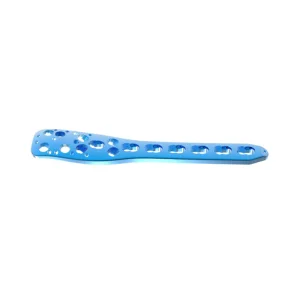
| Curved Femoral Shaft LCP | Diaphyseal femur comminuted fractures | Forged High-Strength Titanium | Longitudinal bow radius matching physiologic anteversion | Minimizes stress concentrations; preserves periosteal biology |
| Distal Tibia Anterolateral | Pilon fractures & distal metaphyseal breaks | Bio-inert Ti Alloy (ISO 5832-3) | Tapered distal tip for MIPO percutaneous insertion | Facilitates minimally invasive placement; low soft-tissue tension |
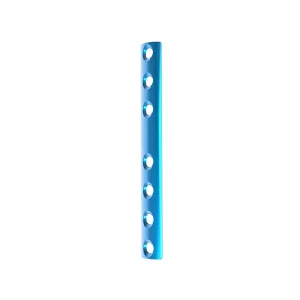
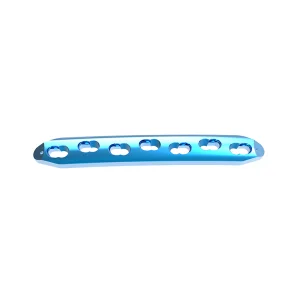
| 1/3 Tubular Mini Plates | Metacarpal, metatarsal & fibular fractures | Cold-worked high tensile 316LVM | Ultra-thin profile with dynamic compression combi-holes | Adaptable contouring for small bone fragments and periarticular stabilization |
Next-Generation Orthopedic Plating Innovations (2025–2035)
Mapping the paradigm shift from static internal splints to smart, patient-tailored, bio-integrative osteosynthesis platforms.
Selective Laser Melting (SLM) Additive Manufacturing
3D additive printing allows for stochastic porous trabecular titanium coatings and custom patient-matched plates. Micro-architected porous lattice structures lower the modulus of elasticity to closely mimic natural cancellous bone, dramatically decreasing stress shielding while accelerating osteoblast infiltration.
Smart Strain-Sensing Telemetry Implants
The integration of passive micro-electromechanical systems (MEMS) into plate bridge segments enables continuous, non-invasive postoperative monitoring. By quantifying micro-strain dissipation across the fracture gap via NFC telemetry, orthopedic surgeons can reliably verify biological union before authorizing full weight-bearing.
Bioresorbable Magnesium Alloys
Pioneering biomedical alloys engineered from high-purity magnesium and rare earth elements offer controlled biodegradation rates in vivo. Designed for craniomaxillofacial and pediatric indications, these bio-absorbable constructs completely eliminate second-look implant removal surgeries while releasing osteogenic magnesium ions.
The Global Commercial Reality: Navigating MDR, FDA & Cost Structures
How progressive medical device companies leverage specialized contract manufacturing hubs to conquer regulatory inflation and supply chain bottlenecks.
Navigating European MDR & Global Compliance
The enforcement of the EU Medical Device Regulation (MDR 2017/745) has escalated conformity assessment burdens worldwide. OEM factories lacking dedicated in-house clinical affairs and validated cleanroom facilities are exiting the market. Tier-one manufacturers maintain active technical documentation, ISO 13485 audits, UDEM certifications, and valid Free Sale Certificates (FSC) to protect distributor market access.
Asian Manufacturing Agility & Cost Rationalization
Western healthcare systems are facing unprecedented budgetary constraints, driving public tenders to seek value-based procurement. Advanced manufacturing facilities in Beijing's high-tech industrial corridors offer an unmatched synthesis: European and Japanese CNC machining precision coupled with streamlined raw material supply ecosystems, lowering production unit costs by 30% to 50% without compromising micron tolerances.
Comprehensive Quality Infrastructure & Localized Support
From raw stock reception to hospital sterile storage: our 6-stage quality firewall guarantees clinical confidence in every single bone plate.
Complete Regulatory Dossiers
We provide authorized global distributors with turn-key product submission packages, including biocompatibility reports according to ISO 10993, cleaning and passivation validation (ASTM A967), accelerated aging test reports (ASTM F1980), and biomechanical dynamic fatigue evaluations (ASTM F382).
Validated Sterile Barrier Systems
All bone plating systems are available individually double-packaged within ISO Class 7 cleanrooms using medical-grade DuPont Tyvek peel pouches. Ethylene oxide (EO) or gamma radiation processes are validated to an SAL of 10^-6, saving substantial operating room prep time and reducing post-op surgical site infections.
Turnkey OEM/ODM Engineering
From custom anatomical contour modifications and specialized screw thread designs to distributor-branded laser etching, unique packaging colorways, and bespoke surgical tool trays, our dedicated R&D team converts engineering blueprints into clinically approved products.
Specialized Clinical Implants & Instrument Kits
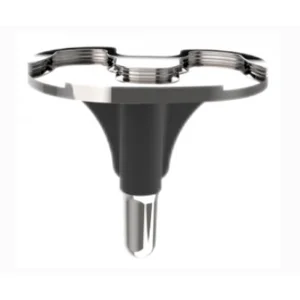
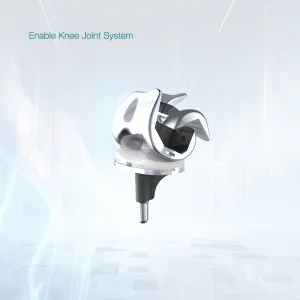
High-demand joint reconstruction systems, anatomical trauma compression plates, and spinal fixation assemblies for healthcare institutions.
Frequently Answered Sourcing & Manufacturing Questions
Crucial insights for orthopedic product managers, biomedical engineers, and institutional tender committees qualifying bone plate manufacturers.