
Primary Orthopedic Systems & Fixation Solutions
Explore our certified trauma osteosynthesis, arthroplasty assemblies, and clinical instrument platforms engineered for international distributors.
-
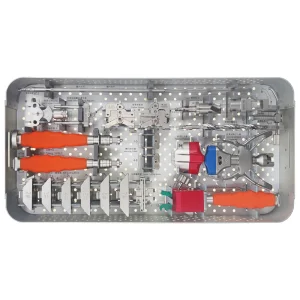 ODM New design quality guaranteed total knee joint instruments Manufacturer, ExporterView Technical Details
-
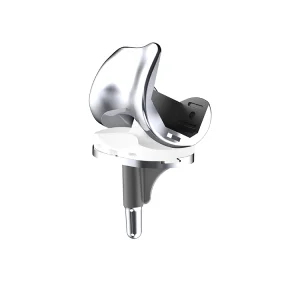 ODM Orthopedic titanium knee joint replacement prosthesis Exporters, ServiceView Technical Details
-
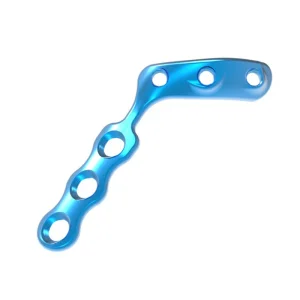 China patent design scapula Locking Plate factory CE ISO insured Exporters, ProductsView Technical Details
-
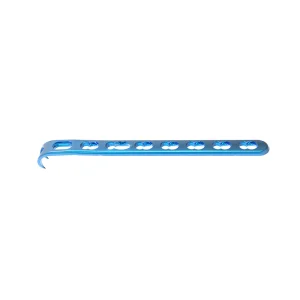 Buy Olecranon Hook Locking Compression Plate Companies, ProductsView Technical Details
-
 High-Quality CE Approved Traume Rib Locking Plate Instrument Set Quotes, ProductView Technical Details
-
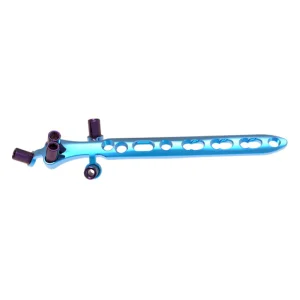 China Proximal Ulna ISC Locking Compression Plate I Pricelist, ServiceView Technical Details
-
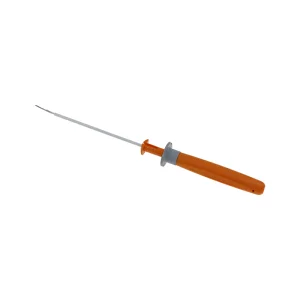 ODM Orthopedic Fast All Inside Meniscal Repair Device System Products, ServiceView Technical Details
-
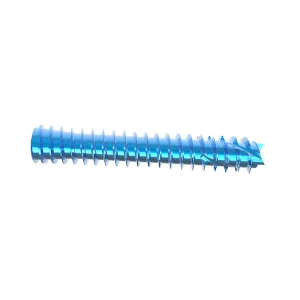 Buy Headless screw titanium cannulated screws Companies, ProductView Technical Details
Deciphering "PFN Nailing Narang Quotes": Intent, Economics, and Equivalency
A rigorous review of intramedullary nailing options for intertrochanteric fractures, evaluating the engineering factors that define competitive unit quotes and sustainable clinical partnerships.
Proximal Femoral Nailing (PFN) and its modern iteration, the Proximal Femoral Nail Antirotation (PFNA with helical blade design), represent the gold standard in intramedullary osteosynthesis for unstable pertrochanteric and subtrochanteric fractures (AO/OTA 31-A1, A2, and A3). When hospital purchasing committees or national tender bodies review distributor RFQs, the pricing landscape reflects substantial divergence between European legacy brands, established Indian export houses like Narang, and advanced Chinese medical device manufacturers like Beijing ZhongAnTaiHua Technology Co., Ltd. (ZATH). Understanding what is behind a formal quotation requires deconstructing metallurgy, Swiss multi-axis CNC micro-tolerances, gamma or ethylene oxide cleanroom packaging, and the full regulatory registration dossier.
Clinical Evidence Insight: Dual-Screw PFN vs. Helical PFNA
While conventional PFN systems utilize an 8.0mm lag screw combined with a 6.4mm antirotation hip pin, clinical studies report higher rates of hardware migration and Z-effect in severely osteoporotic femoral heads. Next-generation PFNA systems replace the dual-screw construct with a single helical spiral blade that compacts cancellous bone rather than reaming it away, providing superior anchorage, higher cut-out resistance, and significantly reduced operating times.
Engineering Benchmarking: PFN vs. PFNA Systems
Examine how key structural dimensions, alloy configurations, and mechanical stabilization parameters compare across standard export options.
| Evaluation Parameter | Standard Dual-Screw PFN (Export Benchmark) | Next-Gen ZATH PFNA Expert System | Clinical & Procurement Impact |
|---|---|---|---|
| Raw Material Grade | SS 316L (ASTM F138) or Ti-6Al-4V (Grade 5) | Medical Ti-6Al-4V ELI (ASTM F136 / ISO 5832-3) | Higher fatigue resistance; lower elastic modulus reduces stress shielding in elderly bone. |
| Proximal Fixation Element | Dual Screws (Lag Screw + Antirotation Pin) | Single Helical Dynamic Compaction Blade | Prevents rotational displacement; eliminates Z-effect; preserves precious trabecular bone. |
| Proximal Valgus Angle | Fixed 130° / 135° standard | Anatomical 125°, 130°, 135° options | Accommodates broad multi-ethnic femoral neck anatomy and varies across Asian, African, and European cohorts. |
| Distal Locking Configuration | Static / Dynamic circular holes (4.9mm) | Dynamic oval slot + Static locking + Fluted tip | Allows controlled axial dynamization while minimizing stress concentration at the distal junction. |
| Targeting Jig Engineering | Carbon-fiber or stainless steel manual frame | Radiolucent PEEK / Aviation Aluminum Precision Frame | No visual obstruction under intraoperative C-arm fluoroscopy; ensures high distal locking hit rate. |
| Standard Packaging Standard | Non-sterile bulk or simple peel-pouch | Class 10,000 Cleanroom Sterile Double Blister Tyvek | Eliminates hospital sterilization burdens; complies directly with MDR Article 52 requirements. |
When evaluating product quotes, calculating the true total cost of ownership (TCO) is essential. A dual-screw PFN may feature an appealing upfront FOB pricing tier; however, if the accompanying instrument set suffers from deflection or targeting drill sleeve wear after fewer than 15 cycles, operating room delays and distal mis-drilling rapidly offset initial savings. Advanced Chinese manufacturing facilities incorporate hardened stainless steel inserts and high-grade radiolucent polymers to ensure that instrumentation maintains sub-millimeter concentric alignment over hundreds of autoclave procedures.
Why Tier-1 Chinese Manufacturing Leads Global Orthopedic Sourcing
Exploring the industrial synergy of scale, technological reinvestment, high-precision automation, and integrated metallurgy.
Advanced Multi-Axis Swiss CNC Machining
Modern production facilities leverage multi-axis Citizen and DMG MORI turning-milling centers, allowing intramedullary nails, dynamic cannulated threads, and fluted tips to be machined in single setups. This eliminates multi-step fixturing errors and guarantees strict coaxial tolerance.
End-to-End Vertical Supply Chain Integration
By housing certified raw material verification, precision wire EDM cutting, surface anodization, micro-polishing, cleanroom packaging, and in-house mechanical fatigue validation within a single manufacturing campus, production overhead is dramatically streamlined.
Rigorous Lot Traceability & ISO 13485 QMS
Every single PFN nail, helical blade, and end cap receives laser-etched matrix identification linked directly to its chemical spectrogram, tensile testing dossier, cleanroom packaging batch, and sterilization validation records, safeguarding hospital compliance.
Localized Support & Regulatory Compliance Assurance
Securing market clearance in Latin America, Southeast Asia, the Middle East, Africa, and Europe requires complete technical documentation.
A primary friction point for international medical device importers purchasing PFN and trauma implants is the complexity of local regulatory clearance. Low quotes from unverified trading entities frequently omit essential documentation, resulting in port rejections or extended customs impoundment. Enterprise manufacturers like ZATH address this by providing dedicated regulatory dossier support alongside physical device delivery.
Complete Technical Dossier (STED / CSDT)
We supply standardized Common Submission Dossier Templates (CSDT) including material characterization (ASTM F136), mechanical static and dynamic four-point bending validation (ASTM F1264), biocompatibility (ISO 10993 series), and packaging seal integrity (ISO 11607).
Apostilled Free Sale Certificates (FSC)
Governmental and ministry-level tenders require authenticated Free Sale Certificates and Certificates of Origin (CO). Our regulatory team coordinates with the China Chamber of Commerce for Import and Export of Medicines and Embassy consulates to furnish legalized documentation.
Sterility Validation & Cleanroom Controls
Each batch intended for sterile distribution undergoes radiation or EO sterilization validation complying with ISO 11137 / ISO 11135 standards, guaranteeing a validated Sterility Assurance Level (SAL) of 10⁻⁶ with bioburden and endotoxin testing reports provided per shipment.
Localized Clinical Scenarios & Industry Evolution Trends
Adapting proximal femoral stabilization to modern trauma theaters, aging populations, and minimally invasive protocols.
Geriatric Osteoporotic Fractures (31-A1/A2)
In patients aged 70 and older, conventional dual-screw PFN constructs are vulnerable to femoral head perforation or the Z-effect due to diminished trabecular density. Utilizing an advanced PFNA helical blade compacts osteopenic cancellous bone circumferentially, delivering optimal load-sharing and facilitating early postoperative weight-bearing.
High-Energy Polytrauma & Subtrochanteric Fractures
In traffic and industrial accidents presenting with severe subtrochanteric comminution (AO/OTA 31-A3), long reconstructed intramedullary nails are mandatory. The long PFN/PFNA provides an extended lever arm with anatomically pre-bent distal curves that mirror the anterior bow of the femur (radius of curvature: 1.5–2.0m), preventing cortical impingement.
MIS & 3D Navigation Compatibility
The orthopedic market is transitioning toward minimally invasive surgery (MIS) with smaller entry portals, percutaneous distal guide systems, and radiolucent carbon/PEEK instrumentation compatible with navigation-guided C-arm fluoroscopy, shortening operative times and reducing surgeon radiation exposure.
Frequently Asked Questions on PFN Quotes & Supply Chains
Essential guidance for purchasing directors, distributor principals, and medical device compliance auditors.
What elements directly influence a PFN nailing quote from an export manufacturer?
How does ZATH ensure quality and mechanical consistency comparable to Narang or international brands?
Can ZATH provide custom OEM/ODM branding, specific dimension sets, and localized packaging?
What lead times and delivery channels are available for high-volume hospital replenishment?
Why is sterile double-barrier packaging increasingly required for PFN procurement contracts?
Comprehensive Trauma, Reconstructive & Spine Instrumentation
Complete your clinical purchasing requirements with certified anatomical compression plates, intramedullary systems, and precision instrument sets.
-
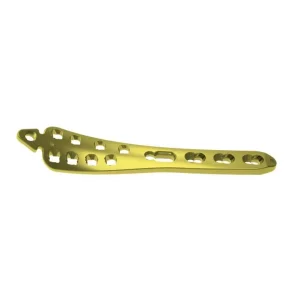 Discount Distal Medial Tibia Locking Compression Plate II Manufacturers, CompanyView Technical Details
-
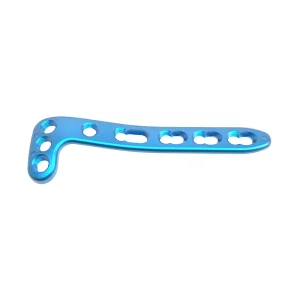 Best Proximal Medial Tibia Locking Compression Plate I Pricelist, ProductView Technical Details
-
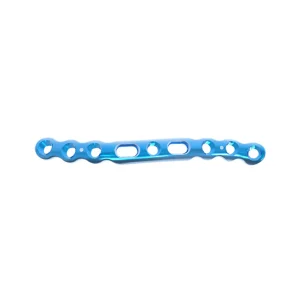 China Anteromedial Clavicle Locking Compression Plate Suppliers, CompaniesView Technical Details
-
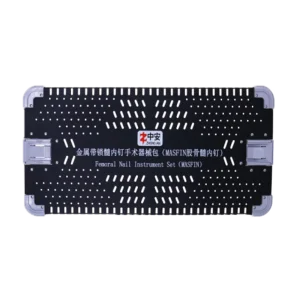 China MASFIN Expert Femur Intramedullary Nail Instrument Set Quotes, CompaniesView Technical Details
-
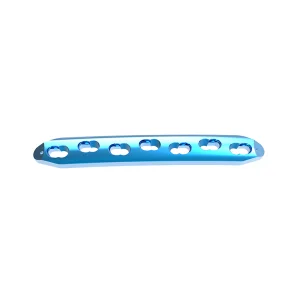 Famous Curved Femoral Shaft Locking Compression Plate Suppliers, CompaniesView Technical Details
-
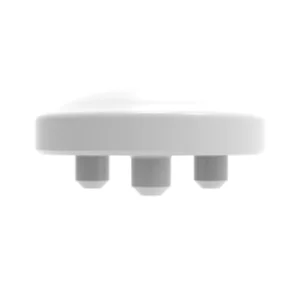 Wholesale Enable Patella knee joint component for knee replacement Suppliers, FactoriesView Technical Details
-
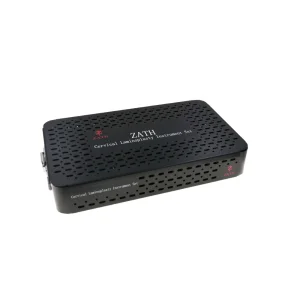 Buy Medical Hospital Use Cervical Laminoplasty Instrument Set Factories, ExporterView Technical Details
-
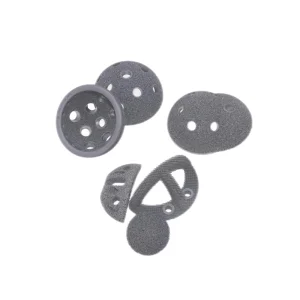 ODM 3D Printing Acetabular Revision System Manufacturers, PricelistView Technical Details