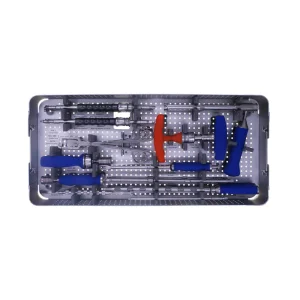
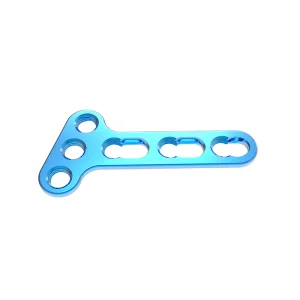
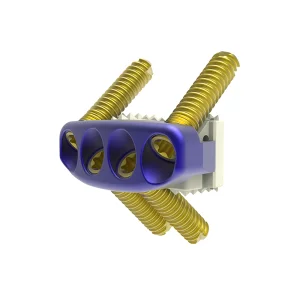
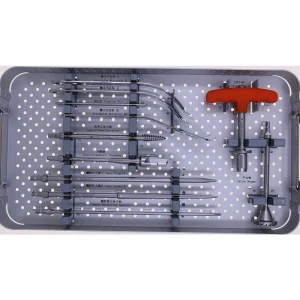
Precision Orthopedic Implants & Instrument Assemblies
Sterile-packed, ISO 13485 compliant trauma, spine, and arthroplasty platforms engineered with calibrated dimensional tolerances and multi-axis CNC repeatability.
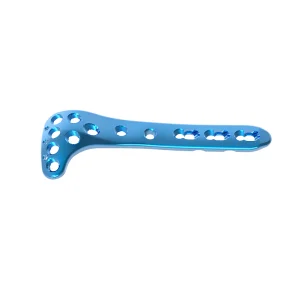
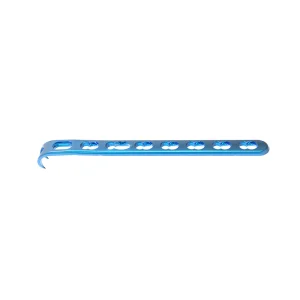
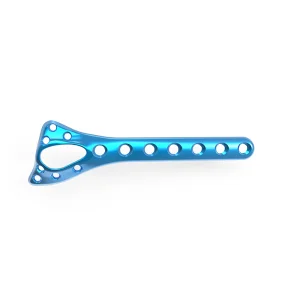
The Global Biomechanical Landscape of Volar Locking Plates
An authoritative overview of distal radius internal fixation: anatomical contouring, fixed-angle vs. polyaxial locking trajectory, and mitigating flexor tendon friction along the Watershed line.
Epidemiological Dominance & Clinical Rationale
Distal radius fractures (DRFs) account for approximately 17% to 20% of all treated skeletal trauma worldwide. Historically stabilized with closed reduction, percutaneous Kirschner wires, or bridging external fixators, complex intra-articular shearing fractures (AO/OTA Type 23-B and 23-C) frequently suffered secondary collapse, articular incongruity, and post-traumatic radiocarpal osteoarthritis. The global evolution toward open reduction and internal fixation (ORIF) using anatomically pre-contoured volar locking plates (VLPs) has fundamentally shifted clinical paradigms.
- Subchondral bone raft support via multi-hole distal clusters
- Superior biomechanical stability in osteoporotic bone beds
- Elimination of prolonged cast immobilization requirements
Metallurgical Specifications & Biocompatibility
As a tier-one osteosynthesis manufacturer, our distal radius and reconstruction plate portfolios are fabricated exclusively from certified medical-grade Titanium Grade 5 (Ti-6Al-4V ELI conforming to ASTM F136 / ISO 5832-3) or pure Titanium Grade 4. This metallurgic chemistry ensures an optimized modulus of elasticity (110 GPa) closer to cortical bone than stainless steel (200 GPa), mitigating stress-shielding, accelerating osteogenesis, and ensuring MRI conditional safety.
- Anodized surface micro-texture to decrease bacterial adhesion
- Superior fatigue endurance exceeding 1.5 million cyclic loads
- Full melt-source mill certificate tracking on every billet
The "Watershed Line" & Flexor Tendon Mechanics
Surgical literature highlights that plate positioning relative to the anatomical Watershed line of the distal radius dictates clinical outcomes. Plates positioned distal to the pronator ridge or proud of the volar rim induce persistent friction against the Flexor Pollicis Longus (FPL) and Flexor Digitorum Profundus (FDP) tendons, creating risk of late tendon attrition or spontaneous rupture. ZATH designs feature chamfered distal margins and sub-1.6mm profiles to eliminate friction.
- Low-profile rounded transitions minimizing tenosynovitis
- Anatomical recess preserving the pronator quadratus bed
- Validated Soong Grade 0 clinical profile adherence
Engineering Rigor: Why OEM/ODM Buyers Choose ZATH Manufacturing
Founded in Beijing in 2009 within the Zhongguancun Science Park, Beijing ZhongAnTaiHua Technology Co., Ltd. (ZATH) maintains a dedicated campus housing multi-axis CNC processing centers, precision Swiss wire-EDM cutting, cleanroom packaging facilities, and an in-house metallurgical testing laboratory. Backed by nearly 100 experienced bio-mechanical engineers and certified technicians, we ensure every volar locking plate and trauma instrument set complies rigorously with ISO 13485 quality frameworks, providing unmatched stability and anatomical fidelity for distributors worldwide.
Industry Trends & Next-Generation Engineering Roadmap
Examining the technological shift from monoaxial locking screws to variable-angle polyaxial systems, patient-specific 3D printed osteotomy guides, and smart sensor integration.
Variable-Angle (Polyaxial) Locking Mechanisms
Fixed-angle locking designs enforce rigid screw trajectories which, while mechanically sound in simple transverse fractures, frequently fail to capture comminuted styloid fragments or marginal dorsal articular rim avulsions. Modern volar plates incorporate Variable-Angle (VA) locking technology, permitting ±15° conical angulation off-axis. This flexibility allows the surgeon to customize the trajectory of subchondral screws directly under fluoroscopic verification, targeting idiosyncratic fracture fragments without compromising thread-locking shear resistance.
- Enhanced screw purchase in low-density metaphyseal bone
- Prevention of intra-articular joint screw penetration
- Cold-welding prevention via micro-threaded plate recesses
Patient-Specific 3D Modeling & AM Fixation
Through high-resolution computed tomography (CT) volumetric rendering, ZATH’s advanced additive manufacturing (AM) division facilitates the pre-operative planning of complex malunions. Selective Laser Melting (SLM) with titanium powders allows custom-contoured corrective osteotomy plates and patient-specific surgical guides (PSGs) to be produced on-demand. This synergy of standard modular plating and customized additive solutions establishes an end-to-end trauma ecosystem.
- CT-derived precise anatomical curvature reproduction
- Customized screw trajectory targeting non-union margins
- Surgical cutting guides drastically decreasing OR runtime
Active Surface Bio-Functionalization
Future-proof trauma implants increasingly merge mechanical fixation with biological osteo-integration and infection defense. Research and technological testing in active bio-functionalization deploy anodization type III (hard coating), physical vapor deposition (PVD) of titanium nitride, and micro-arc oxidation (MAO) infused with silver (Ag+) or copper (Cu2+) nanoparticles to provide sustained antimicrobial barriers against biofilm formation without systemic antibiotic exposure.
- Sub-micron anti-adhesion topography against S. aureus
- Nanostructured titania coatings promoting osteoblast seeding
- Accelerated bone-plate bridging for early full weight bearing
| Design Parameter | Legacy Fixed-Angle Plates | Standard Low-Profile Volar Plates | Next-Gen VA Polyaxial Volar Plates (ZATH) |
|---|---|---|---|
| Screw Trajectory Freedom | 0° (Rigid monoaxial thread) | 0° to 5° nominal leeway | ±15° Multi-directional Conical Cone |
| Plate Profile Thickness | 2.4mm – 3.0mm (Bulky) | 2.0mm – 2.2mm | 1.5mm – 1.8mm Ultra-Low Profile |
| Distal Edge Geometry | Sharp perpendicular cutoff | Standard machine chamfer | Hydrodynamic Taper (Sub-Watershed Line) |
| Raw Material Standard | Stainless Steel 316L / CP-Ti | Titanium Grade 4 / 5 | Ti-6Al-4V ELI (ASTM F136 / ISO 5832-3) |
| Articular Fragment Capture | Limited to pre-set radial styloid holes | Fixed transverse 4-hole array | Double-tier subchondral locking raft |
Clinical Scenarios & Surgical Indications
Tailored fixation protocols for hand and trauma surgeons encountering complex skeletal challenges in adult and geriatric cohorts.
Osteoporotic Distal Metaphyseal Impaction
In elderly populations presenting with fragility fractures, cancellous metaphyseal bone voids frequently persist post-reduction. Standard non-locking screws depend heavily on bone mineral density for friction grip. Volar locking plates function as internal fixators: the screw head locks directly into the plate hole, creating a rigid angle scaffold. This distributes axial load across the cortical shaft and prevents secondary radial shortening, articular tilt loss, and dorsal collapse.
- Elimination of toggle effect in poor bone stock
- Support for immediate post-op finger mobilization
- Integration with injectable calcium sulfate bone void fillers
High-Energy Comminuted Shearing (AO Type C3)
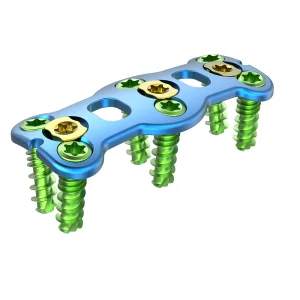
Motor vehicle collisions and falls from height frequently lead to complete articular disruption with multiple coronal and sagittal split lines. Using the modified Henry approach (volar radial window) or flexor carpi radialis (FCR) sheath exposure, the pre-contoured volar locking plate acts as a reduction guide. The dual-tier locking hole arrangement supports both the dorsal rim fragment and the volar lunate facet, reconstructing radiocarpal joint congruity under direct vision.
- Specific distal rakes capturing the dorsal marginal lip
- Elongated oval gliding hole for precise axial height tuning
- Combined locking and cortical screw versatility in shaft holes
Corrective Osteotomy for Malunited Distal Radius
When fractures heal in non-anatomical positions (severe dorsal tilt >15°, radial inclination <15°, or radial shortening >3mm), patient grip power, carpal kinematics, and distal radioulnar joint (DRUJ) stability suffer significantly. ZATH volar locking plates provide the rigid internal support required following opening-wedge or closing-wedge osteotomy with iliac crest or structural allograft interposition, restoring physiological volar inclination (11°).
- Re-establishment of volar tilt and physiological inclination
- Alleviation of ulnar impaction and TFCC overload
- Rigid construct ensuring uneventful osteotomy union
Macro Industry Solutions for Global Medical Device Distributors
How ZATH empowers tier-one orthopedic distributors, hospital purchasing consortia, and OEM brand partners through comprehensive turnkey manufacturing.
Global Regulatory Dossiers & Compliance
Entering regional markets demands extensive technical files, biocompatibility data (ISO 10993), mechanical fatigue validation (ASTM F382), and clinical evaluation reports (CER). ZATH maintains active ISO 13485 certification, UDEM conformity, and Free Sale Certificates (FSC), assisting regional partners with expedited submission files for FDA 510(k), European CE (MDR 2017/745), ANVISA, and regional health ministries.
- Full traceability records and audit-ready risk analysis (ISO 14971)
- Sterilization validation conforming to ISO 11137 / ISO 11607
- Direct technical support by our dedicated regulatory team
OEM & ODM Custom Manufacturing
For established global medical device brands seeking margin optimization without capital expenditure, ZATH delivers comprehensive contract manufacturing. Whether you supply existing proprietary CAD files or require our R&D team to engineer custom plate contours, screw thread pitches, specialized anodization color coding (gold, blue, green), or laser etching, we provide full white-label agility.
- Laser etching for custom distributor logos and unique lot codes
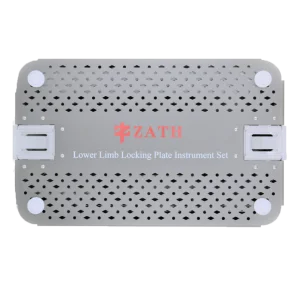
- Customized surgical tray and sterilization graphic caddy design
- Low initial production batch MOQs for regional pilot programs
Sterile Kit Packaging & Rapid Logistics
Modern operating theater protocols increasingly prioritize single-use sterile packaging to mitigate surgical site infection (SSI) risks and eradicate autoclaving backlogs. ZATH supplies every plate and screw series in validated medical-grade Tyvek blister packs. Backed by contracted logistics partnerships with DHL, FedEx, UPS, and air cargo carriers, standard stocking replenishment reaches destinations in 4 to 6 business days.
- Ready-to-use cleanroom Class 100,000 double-barrier sealing
- Pre-labeled GS1 DataMatrix barcodes for sterile OR tracking
- 4–6 day expedited worldwide delivery for emergency stock
Frequently Asked Questions: Volar Locking Plates & Supply Operations
Clear, expert responses to technical inquiries frequently raised by hospital procurement leads, orthopedic distributors, and surgical consultancies.
What exact titanium grade is used in ZATH Volar Locking Plates, and what are its mechanical advantages?
How does the plate geometry avoid soft-tissue irritation and FPL tendon rupture?
What are the options for polyaxial (variable-angle) versus fixed-angle screw fixation?
What certifications and regulatory documentation accompany ZATH export shipments?
Can ZATH provide matching trauma surgical instrument sets and OEM custom branding?
What is the standard production lead time and international delivery speed?
Comprehensive Reconstructive & Fixation Implants
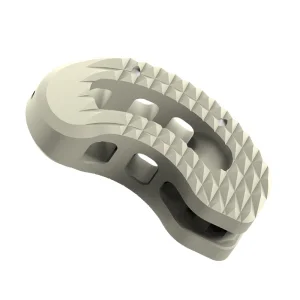
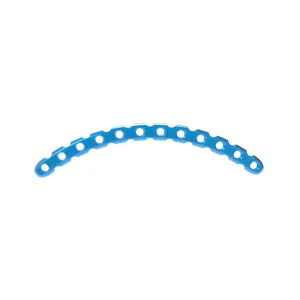
Browse the remaining catalog of precision surgical implants, interbody fusion cages, cervical plates, and comprehensive orthopedic instrument sets.