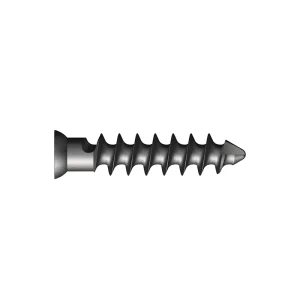
Featured Implant Platforms & Surgical Solutions
Sterile-packed and non-sterile configurations certified for high-precision surgical reconstruction, manufactured in our Class 100,000 cleanrooms under stringent multi-axis Swiss CNC tolerances.
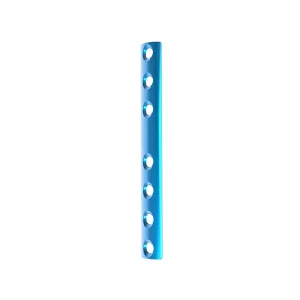
Metacarpal & Metatarsal Fractures 1/3 Tubular Locking Plate
View Product Specs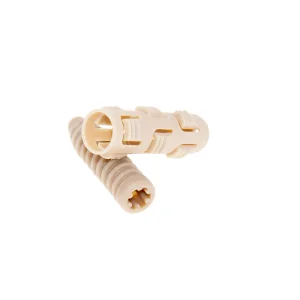
Zath Sports Medicine Orthopedic Suture Anchor Implant
View Product Specs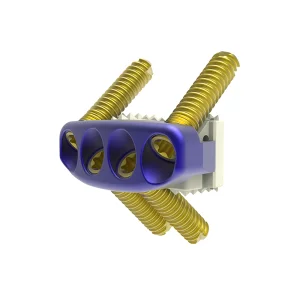
ZP Cervical Cage CE FSC ISO Insured Platform
View Product Specs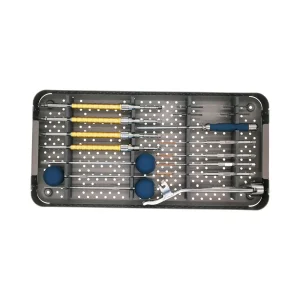
5.5 Spinal Pedicle Screw Surgical Instrument Set
View Product Specs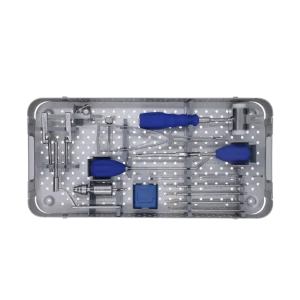
High Quality ZP Cage Ergonomic Instrument Set
View Product Specs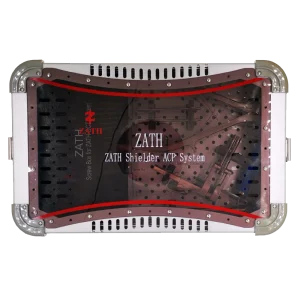
Cervical ACP Plate System Matching Instrument Set
View Product Specs
High-Quality Hip Joint ADC Acetabular Liner
View Product Specs
Precision Orthopedic Double Ended Bone Pin Implants
View Product SpecsICP Proximal Lateral Femoral Plates: Clinical Efficacy & Design Architecture
An in-depth metallurgical, biomechanical, and regulatory appraisal for orthopedic surgeons, hospital tender boards, and tier-1 medical implant distributors worldwide.
1. Biomechanical Load Redistribution & Internal Compression Principles
The proximal femur represents one of the most mechanically demanding environments within the human musculoskeletal apparatus. Internal Compression Plates (ICP) configured for the proximal lateral femur are specialized anatomical locking internal fixation assemblies engineered specifically to neutralise complex cyclic forces, including bending moments exceeding 300 Nm during axial gait load, high-energy torsional stresses, and excessive varus collapse forces commonly encountered in comminuted trochanteric and subtrochanteric fractures.
Unlike conventional non-locking compression plates that rely strictly on friction generation between the plate underside and cortical bone—frequently culminating in periosteal devascularization and subsequent delayed consolidation—the modern ICP Proximal Lateral Femoral Plate operates on the definitive fixed-angle principle. By converting dynamic shearing forces into axial compression and tensile load vectors along the plate's long axis, the screw-plate construct behaves biomechanically as an 'internal fixator'. This preserves the vital endosteal and periosteal microvascular networks indispensable for rapid callus maturation, while maintaining optimal mechanical stability even across osteoporotic metaphysical bone segments (DEXA T-score ≤ -2.5).
Our engineered profile incorporates differential pitch combi-holes across the diaphyseal shaft, permitting the operating surgeon the dual versatility of dynamic dynamic-axial compression prior to definitive locked-screw angular rigid fixation. When applied to multi-fragmentary intertrochanteric fractures extending distal to the lesser trochanter (AO/OTA 31-A2, 31-A3), the proximal screw cluster provides divergent and convergent angular purchase directly anchored into the femoral head, calcar femorale, and greater trochanter, drastically reducing the clinical incidence of screw cut-out, toggling, and catastrophic hardware fatigue failure.
2. Advanced Metallurgy: Medical Grade 5 Titanium (Ti-6Al-4V ELI) vs. 316L Stainless Steel
Material integrity determines the fatigue lifespan of proximal lateral femoral implants under repetitive weight-bearing cycles prior to radiographic osseous union. ZATH constructs its flagship ICP proximal lateral femoral systems utilizing certified medical-grade Ti-6Al-4V ELI (Extra Low Interstitial) conforming strictly to ASTM F136 and ISO 5832-3 standards, whilst offering medical-grade 316L stainless steel (ASTM F138 / ISO 5832-1) as an alternate specification for specific regional tender requirements.
Titanium alloy displays an elastic modulus of approximately 110 GPa—vastly closer to cortical human bone (~18–20 GPa) than traditional stainless steel (~200 GPa). This substantial reduction in modulus disparity minimizes the phenomenon of 'stress shielding', thereby fostering continuous physiological micro-strain that encourages secondary osteogenesis via Wolff's Law. Furthermore, the inherent passivation dynamics of Titanium Grade 5 create an instantaneous, ultra-stable titanium dioxide (TiO2) oxide ceramic layer upon exposure to physiological fluids, rendering the implant exceptionally biocompatible with ultra-low ion elution rates and supreme fretting-corrosion resistance at the screw-plate locking interface.
| Mechanical & Biological Metric | Ti-6Al-4V ELI (ASTM F136) | Medical 316L VM Stainless Steel | Clinical / Surgical Impact |
|---|---|---|---|
| Modulus of Elasticity (E) | 105 – 114 GPa | 195 – 205 GPa | Reduces stress shielding; promotes early cortical bone remodeling |
| Tensile Yield Strength (Rp0.2) | ≥ 795 MPa | ≥ 690 MPa | Prevents plate deformation under premature physiological weight-bearing |
| Elongation at Break (A5) | ≥ 10% | ≥ 12% | Permits micro-contouring to extreme anatomical variations without notch cracking |
| Fatigue Run-out Limit (>10^7 cycles) | ≥ 510 MPa | ≥ 380 MPa | Ensures construct survival through prolonged non-union and delayed callus phases |
| MRI Compatibility | Negligible artifacting (3.0 Tesla safe) | Pronounced magnetic susceptibility artifact | Facilitates pristine post-operative MRI evaluation of adjacent soft tissues |
Localized Regulatory Support & CE Compliance Assurance
Navigating rigorous MDR (EU) 2017/745, ISO 13485:2016, and national registration frameworks with complete documentary and technical dossier back-up.
Full CE MDR Technical Documentation
Our regulatory affairs division provides exhaustive Technical Documentation Files (Annex II & III MDR 2017/745), incorporating comprehensive Clinical Evaluation Reports (CER), Post-Market Clinical Follow-up (PMCF) plans, and risk management dossiers conforming to EN ISO 14971:2019.
European Authorized Representative (EC REP)
We maintain designated, proactive European Authorized Representative coverage alongside continuous vigilance reporting mechanisms, ensuring seamless EUDAMED registration, single registration number (SRN) validation, and rapid compliance with local European health authorities (BfArM, ANSM, MHRA, AEMPS).
ISO 11607 Cleanroom Packaging
Each ICP Proximal Lateral Femoral Plate is supplied either non-sterile or enclosed within double Tyvek® sterile blister barrier packaging compliant with ISO 11607-1/2, certified for 5-year shelf-life stability following ethylene oxide (EO) or gamma irradiation protocols.
China Factory Supply Chain: Precision, Capacity & Resilience
Located in Zhongguancun Science Park, Pinggu, Beijing, ZATH combines high-density automated manufacturing clusters with rigorous QA/QC inspection pipelines.
Multi-Axis Swiss CNC Machining & Advanced Surface Treatments
Producing modern, anatomically pre-contoured proximal lateral femoral plates demands complex 5-axis continuous toolpath machining capable of generating variable thread pitches, helical tapers, and smooth transition fillets without introducing localized micro-notches. Our manufacturing center operates Swiss Star and DMG MORI multi-axis machining centers delivering repeatability tolerances within ±0.005 mm (±5 μm).
Following precision wire EDM and surface mill deburring, each plate undergoes electrochemical anodization Type II (electrolytic conversion coating) or electrochemical polishing. This process significantly hardens the surface matrix, minimizes galling during high-torque locking screw insertion, and drastically lowers metal ion exchange in biological environments. Every manufacturing batch is digitally linked to an immutable raw material mill inspection certificate (chemical composition analysis via Optical Emission Spectrometry and mechanical tensile verification).
Rapid Turnaround Time
Vertically consolidated manufacturing processes—from bar stock turning and plate milling to passivation, laser marking, and cleanroom packaging—permit high-capacity throughput and reliable global dispatch within 4 to 6 express transit days.
Unmatched Cost-to-Performance Ratio
By leveraging Chinese industrial clusters and high-yield automated production, our partners realize 35% to 50% cost reductions compared to conventional Western tier-1 brands, freeing up crucial budget allocations for hospital clinical deployment.
Turnkey OEM & ODM Customization
Tailored plate curvature geometries, customized proximal screw cluster orientations, specialized color anodizing, custom instrument graphics, and brand-specific sterile box labeling crafted to elevate your proprietary brand identity globally.
Addressing Global Enterprise Procurement Requirements
Tailored commercial models designed for international orthopedic distributors, hospital purchasing organizations (GPOs), and tender syndicates.
Procurement Risk Mitigation & Supply Reliability
In post-pandemic orthopedic procurement, hospital central sterile supply departments (CSSD) and supply chain executives face unprecedented stockout vulnerabilities with multinational conglomerates. ZATH mitigates procurement risks through guaranteed safety-stock programs, rolling quarterly forecasts, and flexible minimum order quantities (MOQ). Whether bidding on high-volume national health service tenders in Latin America, Southeast Asia, Eastern Europe, or the Middle East, our team supplies complete supporting dossiers—including certificate of origin, declaration of conformity, FSC (Free Sale Certificate), and third-party laboratory biocompatibility test records (ISO 10993 cytotoxicity, sensitization, systemic toxicity, and genotoxicity).
Furthermore, each ICP Proximal Lateral Femoral Plate order is delivered alongside matching, ergonomic surgical instrumentation kits fabricated from high-wear 17-4PH stainless steel and PEEK handles, designed for over 1,000 autoclave steam sterilization cycles without dimensional warping or mechanical degradation.
Industry Innovation Trends: Variable-Angle Locking & Periprosthetic Fixation
The global trauma fixator market is transitioning rapidly beyond rigid monoaxial locking plates toward Variable-Angle (VA) Locking Technology and low-profile peri-prosthetic fixation constructs. As the worldwide geriatric population rises, the incidence of periprosthetic femoral fractures adjacent to existing total hip arthroplasty (THA) femoral stems is surging.
Modern ICP proximal lateral femoral systems incorporate ±15° multi-directional conical locking holes in the head segment and specialized scalloped plate shaft geometries that accommodate cerclage cables, periprosthetic claw attachments, and bicortical bypass screws without reducing construct rigidity. ZATH's dedicated R&D engineering lab is continually innovating through computer-assisted finite element analysis (FEA) and dynamic fatigue testing (ASTM F382) to optimize construct fatigue survival while minimizing soft-tissue irritation along the iliotibial band.
Localized Application Scenarios in Trauma Surgery
Validated surgical efficacy across a broad spectrum of high-energy polytrauma and osteoporotic fragility fractures.
Subtrochanteric Comminution
Neutralizes extreme tensile stresses on the lateral cortex and medial compressive calcar collapse in Seinsheimer Type II through V subtrochanteric fracture configurations.
Periprosthetic Fractures
Engineered for Vancouver B1 and C periprosthetic fractures adjacent to well-fixed hip stems, allowing mixed unicortical screw positioning, cable cerclage, and distal bicortical lock.
Osteoporotic Non-Unions
Provides robust fixed-angle stability in salvage procedures for failed intramedullary nail fixation or pseudoarthrosis, ensuring secure hold in low mineral density trabecular bone.
Frequently Asked Questions for Sourcing Directors
Direct clarity regarding regulatory status, engineering specifications, OEM customization, and global delivery times.
What clinical documentation and CE certification status do your ICP Proximal Lateral Femoral Plates hold?
How do ICP Proximal Lateral Femoral Plates differ biomechanically from standard Dynamic Condylar / Hip Screw (DHS) systems?
Can ZATH accommodate private-label OEM/ODM manufacturing, including custom geometries and logo markings?
What is the typical lead time and logistics method for international bulk orders?
Are matching surgical instrumentation sets provided alongside the implants?
Explore Additional Clinical Technologies & Systems
Full-spectrum trauma, joint replacement, spine stabilization, and sports medicine instrument platforms certified for global distribution.
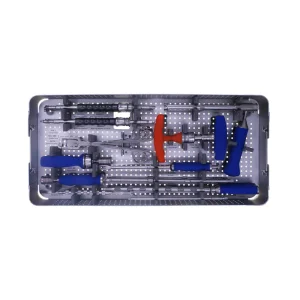
Zipper 6.0 Spinal Internal Fixation System Instrument Set
View Product Specs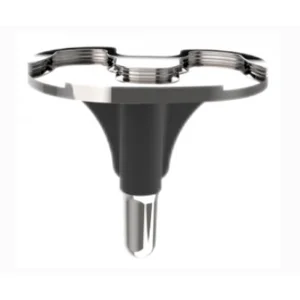
Enable Tibial Baseplate for Total Knee Replacement
View Product Specs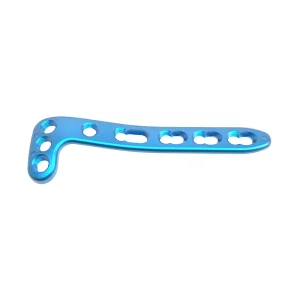
Proximal Medial Tibia Locking Compression Plate I
View Product Specs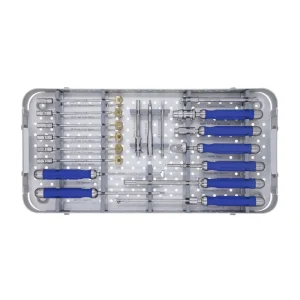
Cervical Fusion Cage Dedicated Instrument Set
View Product Specs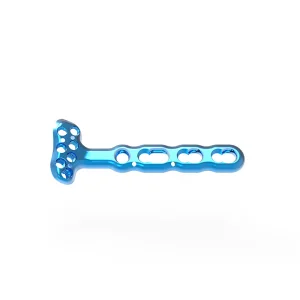
DVR Distal Radius Volar Locking Compression Plate
View Product Specs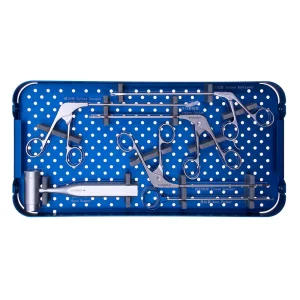
Complete Shoulder Arthroscopy Surgical Instrument Set
View Product Specs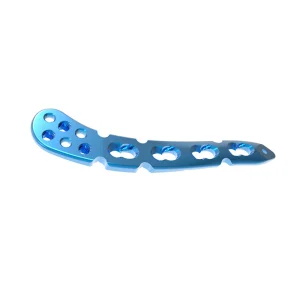
Distal Clavicle Anatomical Locking Compression Plate
View Product Specs