
Immediate Sourcing Matrix: Part 1
Featured Orthopedic Systems & Primary Trauma Solutions
Factory-direct orthopedic surgical components, intramedullary nailing constructs, and MIS instrumentation engineered under strict cleanroom and multi-axis CNC tolerances.
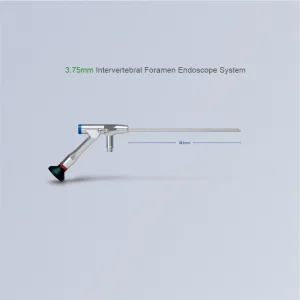
CE Certification 3.75mm Intervertebral Foramen Endoscope System Manufacturer, Exporter
Explore Component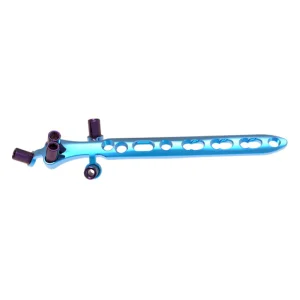
China Proximal Ulna ISC Locking Compression Plate I Pricelist, Service
Explore Component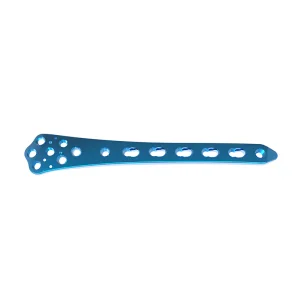
ODM Distal Lateral Femur Locking Compression Plate Supplier, Company
Explore Component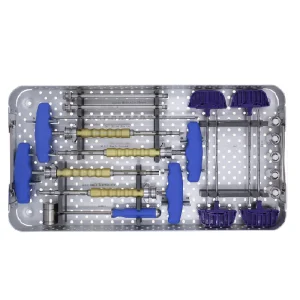
Cheap Spine Instrument Set (Zenith HE Instrument Set) Suppliers, Quotes
Explore Component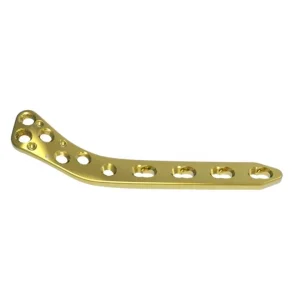
OEM Proximal Lateral Tibia Locking Compression Plate Supplier, Factories
Explore Component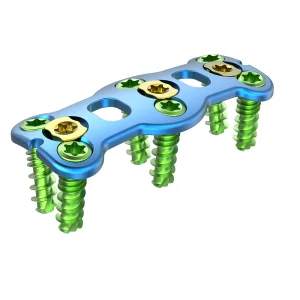
CE Certification High quality Orthopedic Cervical Shielder ACP Plate System Manufacturer, Suppliers
Explore Component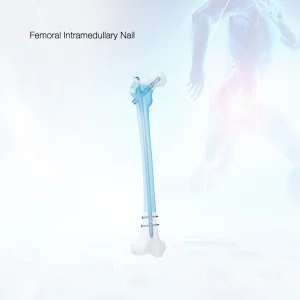
Cheap Surgical Orthopedic Implant Titanium ZAFIN Intramedullary Nail Pricelist, Exporters
Explore Component
Industry Macro-Economics & Clinical Mechanics
Demystifying "Cheap" in Femoral Nail Surgery: Value Engineering vs. Compromise
In modern orthopedic procurement, low unit acquisition cost does not mean substandard metallurgy. True procurement economy is achieved by eliminating legacy multinational distributor premiums through direct precision manufacturing.
The Biomechanical Paradigm: Load Sharing vs. Load Bearing
Fractures of the femoral shaft (AO/OTA Type 32) and pertrochanteric segment (AO/OTA Type 31) represent some of the highest-energy trauma events treated by orthopedic surgeons. Biomechanically, intramedullary (IM) nails act as centromedullary load-sharing splints, positioned along the neutral mechanical axis of the femur.
Unlike extramedullary locking compression plates (which act as load-bearing or eccentric bridging constructs), an intramedullary nail experiences reduced bending moments due to its central anatomical position. This distribution of stress allows for early patient weight-bearing, promotes micromotion conducive to secondary bone healing via periosteal callus formation, and significantly lowers the incidence of implant fatigue failure.
When healthcare institutions seek "cheap" femoral nail surgery products, the objective must be value-engineered clinical integrity: obtaining medical-grade Titanium Alloy (Ti-6Al-4V ELI conforming to ASTM F136 or ISO 5832-3) that matches the modulus of elasticity of cortical bone, while stripping away distributor layer markups of up to 400%–800% charged by legacy western brands.
Anatomical Curvature & Insertion
Modern femoral intramedullary nails require an engineered Radius of Curvature (ROC) between 1.5m and 2.0m. Older "budget" nails featured excessive rigidity or straight geometries that risked anterior cortex impingement or distal perforation during antegrade passage.
Top-tier cost-effective manufacturing incorporates multi-planar bends: a proximal lateral entry angle (e.g., 4°–6° Herzog bend for greater trochanteric insertion) and dynamic distal slotting to dissipate distal stress concentrations.
Reamed vs. Unreamed Hemodynamics
Reamed femoral nailing remains the gold standard in adult diaphyseal fractures. Controlled endosteal reaming stimulates osteogenic growth factors and autologous bone grafting at the fracture site while enabling the placement of a larger-diameter, mechanically superior nail construct.
Cost-efficient trauma sets must provide flexible reamers with fluted heads designed to minimize intramedullary canal pressure surges, safeguarding against fat embolism syndrome (FES) in polytrauma patients.
Economies of Scale & Cleanroom Automation
How does a certified manufacturer deliver affordable femoral nail pricing? The answer lies in capital efficiency and automation. High-speed, 5-axis Swiss-lathe machining centers operating 24/7 in specialized industrial clusters reduce machining cycle times by over 40%.
Automated deburring, electrochemical polishing, and robotic cleanroom packaging eliminate labor variance and production scrap, directly lowering unit costs without cutting corners on raw metallurgical standards.
Interlocking Mechanics & TAD Control
For proximal pertrochanteric femoral nailing (PFNA/InterZan styles), preventing cut-out in osteoporotic bone is paramount. Maintaining a Tip-Apex Distance (TAD) < 25mm relies heavily on the dimensional precision of targeting jigs.
Affordable nails paired with CNC-machined, radiolucent carbon fiber aiming arms ensure repeatable drill-sleeve trajectories, minimizing intraoperative fluoroscopy exposure and surgeon frustration.
Governance & Material Traceability
Global Standards, Compliance & Local Regulatory Assurance
Navigating global tender boards, FDA 510(k), and EU MDR 2017/745 requires comprehensive documentation. Every affordable titanium femoral nail must stand up to rigorous regulatory scrutiny.
ISO 13485:2016 Certified QMS
All manufacturing workflows operate within a closed-loop Quality Management System audited for orthopedic class III/IIb medical devices. From initial ingot ultrasonic flaw detection to final cleanroom double-sterile barrier sealing, every batch possesses an immutable Certificate of Conformity (CoC).
Metallurgical Integrity: ASTM F136
Low-cost alternatives that use commercial-grade titanium risk catastrophic in vivo fatigue failure. Certified femoral nails exclusively utilize wrought Titanium-6Aluminum-4Vanadium ELI (Extra Low Interstitial), offering high tensile strength (>860 MPa), superior notch toughness, and exceptional biocompatibility under ISO 10993 standards.
In-Country Registration Dossiers
To facilitate fast market clearance for international distributors, our engineering regulatory affairs team delivers turnkey CE technical files, Free Sale Certificates (FSC), bio-burden validation, sterilization validation (ISO 11137 Gamma / ISO 11135 EtO), and mechanical fatigue test reports conforming to ASTM F1264.
| Evaluation Parameter | Certified Factory-Direct Femoral Nail | Legacy Multinational Brand | Unregulated "Sub-tier" Copy |
|---|---|---|---|
| Raw Material Standard | ASTM F136 Ti-6Al-4V ELI (Grade 23) | ASTM F136 or Ti-Mo Alloy | Unverified Recycled Ti / SS 304 |
| Fatigue Testing (ASTM F1264) | Passed > 5,000,000 cycles dynamic fatigue | Passed > 5,000,000 cycles dynamic fatigue | Untested or non-reproducible failure < 1M |
| Targeting Jig Accuracy | Carbon-fiber radiolucent, ±0.15mm tolerance | Proprietary carbon/aluminum alloy, ±0.1mm | Cast steel, high deflection, inconsistent holes |
| Sterile Cleanroom Packaging | Class 100,000 cleanroom, Tyvek double blister | Class 100,000 cleanroom, Tyvek double blister | Non-sterile bulk plastic, high contamination risk |
| Average Unit Cost to Hospital | $120 – $350 (Factory Direct) | $1,200 – $2,800 (Tier-1 Markup) | $60 – $100 (Uncertified hazard) |
Surgical Applications & Case Indications
Localized Clinical Scenarios & Patient Cohort Matching
Femoral fractures demand targeted implant geometry. Below are the three primary anatomical configurations supported by modern, cost-efficient intramedullary hardware.
1. Geriatric Pertrochanteric & Subtrochanteric Fixation
AO/OTA 31-A1, A2, A3 fractures: The predominant challenge in the aging demographic is osteopenic bone density and unstable reverse oblique patterns.
Our cephalomedullary proximal femoral nails (PFN) utilize a helical blade or dual integrated interlocking lag screws to compact cancellous bone, preventing screw cut-out, rotation, and varus collapse while keeping instrumentation streamlined to limit surgical time under anesthesia.
2. High-Energy Mid-Shaft Diaphyseal Polytrauma
AO/OTA 32-A, B, C fractures: Common in motor vehicle accidents and industrial incidents. These cases require robust rotational control and length restoration.
Antegrade long femoral nails with multi-hole distal interlocking (static and dynamic options) provide immediate axial and torsional stability. Standardizing on cost-effective, high-yield nail sets allows emergency trauma centers to maintain adequate backup inventory across diverse diameter ranges (9mm to 12mm) without exorbitant capital tied up on hospital shelves.
3. Retrograde Distal Supracondylar Fixation
AO/OTA 33-A fractures, ipsilateral fractures, & obese patients: Retrograde insertion via an intercondylar notch arthrotomy is favored where antegrade trochanteric access is obstructed by pelvic trauma or prior hip arthroplasty.
Distal nails feature dedicated distal locking clusters with threaded nuts or washers to engage the condyles securely, achieving rigid fixation without extensive periosteal stripping of the metaphyseal envelope.
Engineering Horizon
Technological Roadmap: The Next Decade of Intramedullary Trauma
From surface nanostructures to sensorized biomechanical tracking, intelligent hardware is reshaping the future of trauma osteosynthesis while maintaining cost accessibility.
Antimicrobial & Bioactive PVD Coatings
Implant-associated osteomyelitis remains a catastrophic complication. Physical Vapor Deposition (PVD) techniques are transitioning from laboratory prototypes to scaled cleanroom production. Thin-film silver-doped titanium nitride coatings reduce bacterial colonization (such as Staphylococcus aureus) by up to 99% without triggering systemic cytotoxicity, preventing costly secondary revision surgeries.
Electromagnetic Distal Targeting Navigation
Distal free-hand locking under fluoroscopy is notoriously time-consuming and accounts for substantial radiation exposure to both surgical team and patient. Next-generation intramedullary sets incorporate electromagnetic sensor probes embedded within the nail tip, enabling real-time screw alignment on a digital tablet without live X-ray guidance.
In Vivo Telemetry & "Smart Nails"
Micro-electro-mechanical systems (MEMS) strain gauges hermetically sealed inside the hollow cannulation of intramedullary nails are entering initial clinical validation. These sensors transmit real-time wireless data on callus stiffness and load transfer directly to the surgeon's mobile dashboard, objectively informing weight-bearing progression and detecting non-unions months before visible on radiograms.
Immediate Sourcing Matrix: Part 2
Expanded Catalog & Specialized Surgical Implants
Complementary orthopedic platforms spanning arthroplasty, endoscopic spine reconstruction, specialized osteosynthesis, and sports medicine instrument trays.
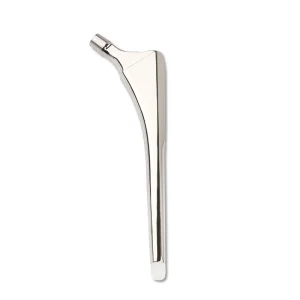
Cheap TDS Cemented Stem Orthopedic Implants Companies, Service
Explore Component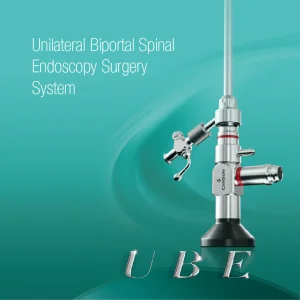
Custom High Quality Spine Surgery Unilateral Biportal Endoscopy Quotes, Company
Explore Component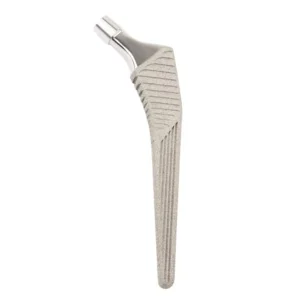
CE Certification ADS Stem For Hip Prosthesis Product, Service
Explore Component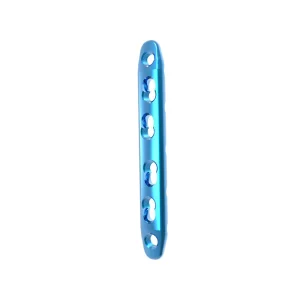
China Humerus Limited Contact Locking Compression Plate Manufacturer, Service
Explore Component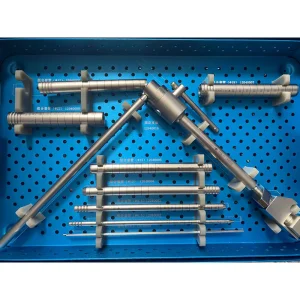
ODM Spine MIS Channel Instrument Set Suppliers, Product
Explore Component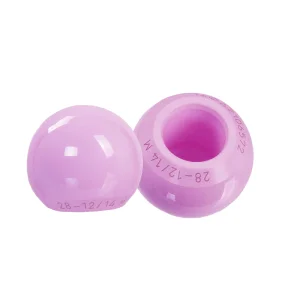
Buy Ceramic CDH Femoral Head Implant Hip Exporter, Company
Explore Component
Buy ACL/PCL Reconstruction Instrument Set Supplier, Exporters
Explore Component
Custom For Cancellous Bone Pin for Orthopedic External Fixation Suppliers, Product
Explore Component
Procurement & Clinical Q&A
Frequently Asked Questions for Orthopedic Procurement Boards
Critical clinical and commercial considerations when transitioning to certified direct-manufacturer trauma implants.
How does direct-factory femoral nail pricing compare to Western multinational brands?
Traditional multinational orthopedic suppliers carry enormous overheads: multi-tier distribution networks, high corporate marketing budgets, and heavy field-rep commissions. By procuring directly from an ISO 13485-certified manufacturer utilizing automated multi-axis Swiss CNC machinery, hospital supply chains and regional distributors typically realize cost reductions of 60% to 75% on identical ASTM F136 titanium alloy specifications without compromising on quality or mechanical fatigue longevity.
What is the clinical difference between stainless steel and titanium alloy femoral nails?
While medical-grade stainless steel (316L / ISO 5832-1) offers adequate stiffness, its modulus of elasticity is approximately 200 GPa, which is nearly ten times stiffer than cortical bone (~18–20 GPa), elevating the risk of stress shielding and subsequent cortical bone resorption. In contrast, Titanium Alloy Ti-6Al-4V ELI features a modulus around 110 GPa—much closer to human bone—which encourages physiological load sharing, accelerates secondary callus healing, and provides superior biocompatibility and post-operative MRI imaging quality with reduced metallic artifact distortion.
How is intramedullary nail fatigue life validated to prevent in vivo breakage?
Fatigue integrity is tested in accordance with the international standard ASTM F1264 (Standard Specification and Test Methods for Intramedullary Fixation Devices). The constructs undergo cyclical, dynamic cantilever four-point bending in simulated physiological media. Certified manufacturers subject their nails to over 5,000,000 continuous loading cycles at load levels exceeding expected physiological weight-bearing forces without structural fracture or micro-crack propagation.
Are surgical instrument sets provided with wholesale and OEM femoral nail shipments?
Yes. Every complete intramedullary system includes a matched, autoclavable instrument set containing high-precision targeting guides, carbon-fiber radiolucent insertion handles, flexible reamer shafts, tissue protection sleeves, depth gauges, trocar assemblies, and calibrated screwdrivers. Sets can be provided either in OEM distributor custom-anodized graphic cases or universal hospital-ready sterilization trays.
What sterile packaging options are available for emergency room delivery?
Implants are available either as non-sterile bulk (requiring hospital autoclaving) or fully terminal gamma-irradiated sterile packaging. The sterile format uses medical-grade DuPont Tyvek double-blister packaging sealed within a Class 100,000 (ISO Class 8) cleanroom, yielding a certified 5-year shelf life. This sterile offering eliminates operating room processing delays, assists infection control audits, and provides complete GS1/UDI barcode compliance on every carton.
How does antegrade versus retrograde nailing impact inventory selection?
Antegrade nails feature a proximal Herzog curvature and cephalomedullary or oblique trochanteric locking options designed for mid-shaft to proximal subtrochanteric fractures. Retrograde nails possess a straighter proximal stem with clustered, multi-planar distal cross-locking holes configured specifically to stabilize distal supracondylar intra-articular fractures. Hospitals and distributors typically procure a balanced inventory: 70% universal antegrade long/short configurations and 30% retrograde sets to support complete emergency trauma coverage.
What is the lead time and Minimum Order Quantity (MOQ) for custom OEM configurations?
For standard production runs of existing CE-certified product matrices, standard dispatch is 7 to 14 business days via DHL, FedEx, or air cargo. For custom OEM/ODM modifications (such as unique radius curvature adjustments, customized laser etching, or dedicated proprietary thread geometry), initial prototyping and verification typically require 4 to 6 weeks, with flexible initial trial MOQs tailored to support regional distributor registration requirements.