
Precision Orthopedic Implants & Specialized Instrument Sets
Sterile-packaged implants, complete instrumentation sets, and trauma solutions engineered under an accredited ISO 13485 cleanroom infrastructure.
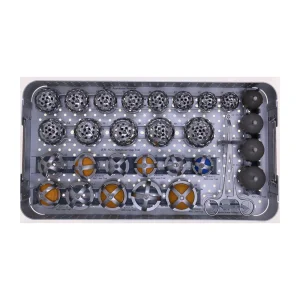
High-Quality Hip Joint Replacement Universal Instrument Set (Acetabular Part) Exporter, Products
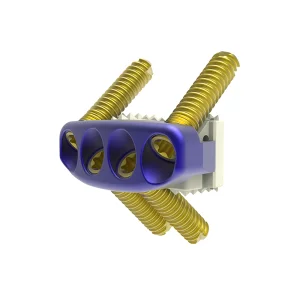
Buy ZP Cervical Cage Manufacturer CE FSC ISO Insured Supplier Exporter, Company
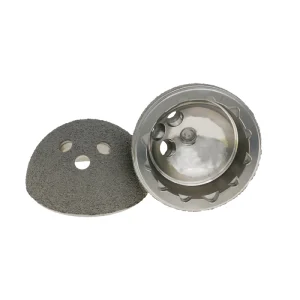
ODM ADC Acetabular Cup Surgical Instrument Factories, Exporters
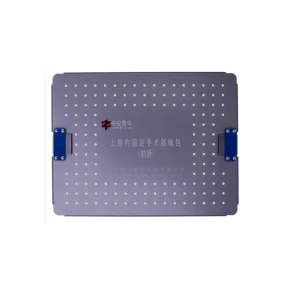
High-Quality CE Approved Traume Rib Locking Plate Instrument Set Quotes, Product
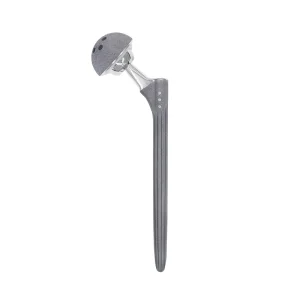
ODM Best Selling DDS Titanium Hip and Joint Implant Prosthesis Suppliers, Factories
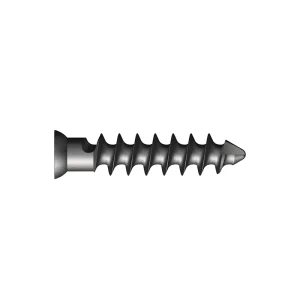
ODM Titanium FDN Acetabular Screw Exporters, Service
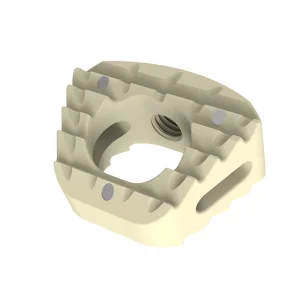
Discount ZATH Brand Cervical Interbody Cage PEEK Cage Factory CE ISO Pricelist, Quotes
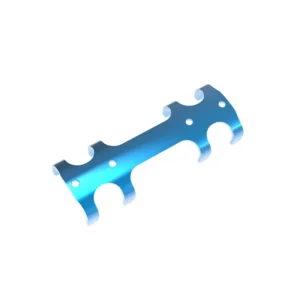
OEM Titanium Rib Claw Plate for Pectorales AO Manufacturers, Company
Navigating Value-Based Trauma Procurement: Why "Cheap" Means Supply Chain Optimization
The clinical imperative for cost-efficient reconstruction femoral nail systems without compromising metallurgic fatigue thresholds or surgical outcomes.
In modern orthopedic trauma surgery, the reconstruction femoral nail stands as the mechanical benchmark for addressing complex ipsilateral femoral neck and shaft fractures, subtrochanteric comminution, and pathological osteolytic lesions. Historically, multinational orthopedic conglomerates held an oligopoly over intramedullary nailing systems, keeping unit costs prohibitively high for public healthcare systems, emerging economy tenders, and volume-driven surgical centers.
Today, the commercial search intent behind cheap reconstruction femoral nails factories and companies represents a structural shift toward value-based procurement. Hospital directors, orthopedic distributor consortiums, and surgical procurement specialists do not seek sub-standard metallurgical quality; they require direct factory pricing models that bypass distributor markups while rigorously adhering to ASTM F136 (Standard Specification for Wrought Titanium-6Aluminum-4Vanadium ELI for Surgical Implant Applications) and ISO 5832-3 compliance.
Founded in 2009 in the Zhongguancun Science and Technology Park, Beijing ZhongAnTaiHua Technology Co., Ltd. (ZATH) has spearheaded this industrial evolution. With over 300 skilled professionals, including nearly 100 senior biomechanical engineers, ZATH engineers class-leading intramedullary systems, hip and knee arthroplasty platforms, and spinal fixation devices that lower total episode-of-care costs for hospitals worldwide.
Direct-From-Factory Cost Efficiency Breakdown
Comparing original brand multi-tiered distribution vs. factory-integrated OEM/ODM supply channels demonstrates up to 58% savings in implant procurement expenses without altering biomechanical performance or biocompatibility benchmarks.
| Cost Element | Tier-1 Western Brands | ZATH Direct Factory Supply |
|---|---|---|
| Raw Material Origin | Certified Medical Ti-6Al-4V | Certified Ti-6Al-4V ELI (Mill Traceable) |
| Channel Markups | 3 to 5 Intermediary Tiers | Zero Intermediate Markups (Direct) |
| Quality System | ISO 13485 / CE MDR | ISO 13485 / FSC / Cleanroom Class 100k |
| Instrument Set Cost | Proprietary Premium ($$$) | Universal Modular Sets (OEM Included) |
Engineering Architecture of the Reconstruction Intramedullary System
Rigid load-sharing mechanics, anatomical curvature matching, and multi-vector proximal screw integration.
Dual Reconstructive Screw Geometry
Featuring twin cephalomedullary lag screws aligned at 125° or 130° CCD angles. This configuration neutralizes femoral neck rotation, resists varus collapse, and optimizes fixation in osteoporotic femoral heads where single-screw designs risk the "cut-out" phenomenon.
Anatomical Bow Radius (R1500–R2000)
Precision-engineered anterior bow radius calibrated to the natural anatomic sagittal curve of the human femur. This contour dramatically reduces anterior cortical impingement during insertion and prevents intraoperative iatrogenic distal cortical perforation.
Distal Dynamic/Static Locking Slots
Multi-hole distal configuration allows surgeons to choose between rigid static locking for segmental shaft fractures or controlled dynamic dynamization slots that promote axial micro-motion and accelerate secondary callus formation in transverse fractures.
| Biomechanical Parameter | Clinical Requirement | ZATH Reconstruction Nail Spec | Compliance Reference |
|---|---|---|---|
| Alloy Metallurgy | High fatigue strength, low modulus of elasticity | Ti-6Al-4V ELI (Grade 23 Medical) | ISO 5832-3 / ASTM F136 |
| Proximal CCD Angle | Matches native femoral neck anatomy | 125° and 130° options available | AO/ASIF Principles |
| Lag Screw Diameter | Rotational stability & shear load prevention | Dual 6.4mm / 6.5mm Recon Lag Screws | ASTM F384 / F543 |
| Distal Locking Diameter | Withstand toggling forces & toggling fatigue | 4.5mm / 5.0mm Cortical Locking Screws | ISO 7206 / ISO 14602 |
| Cannulation Caliber | Permits smooth reamed insertion over guidewire | Continuous Ø 4.2mm central lumen | Surgical Ergonomics Protocol |
Localized Clinical Indications and Surgical Deployment Scenarios
From high-velocity motor vehicle collisions to osteoporotic geriatric fragility, reconstruction femoral nailing resolves multifaceted fracture patterns.
Ipsilateral Shaft & Neck Fractures
Often caused by severe blunt poly-trauma. Dual recon lag screws definitively stabilize the precarious femoral neck fracture while the long intramedullary nail bridges the diaphyseal comminution with minimal blood loss.
Complex Subtrochanteric Fractures
High deforming forces from the iliopsoas and gluteus medius require high-strength load-sharing intramedullary fixation that counteracts extreme medial compressive and lateral tensile biomechanical forces.
Segmental & Comminuted Diaphyseal Fractures
Winquist-Hansen Type III and IV comminuted femoral fractures benefit from closed intramedullary insertion, preserving periosteal vascularity and speeding surgical biological consolidation.
Pathological & Impending Fractures
Stabilization of metastatic femoral lesions or profound osteopenic bone, delivering instant structural stability, reducing intractable pain, and enabling immediate postoperative weight-bearing for patients.
Regulatory Compliance & Factory Traceability: What Makes a Supplier Reliable
How Chinese medical device manufacturers fulfill strict international technical dossiers, Free Sale Certificates (FSC), and cleanroom packaging standards.
For international medical distributors and tender authorities, finding a low-cost manufacturing partner is only half the objective. The true commercial challenge lies in regulatory durability. Low-cost components that fail notified body audits or lack comprehensive Technical Documentation Files (TDF) result in immediate customs seizure, regulatory sanctions, or catastrophic surgical revisions.
At Beijing ZhongAnTaiHua Technology Co., Ltd. (ZATH), every stage of our orthopedic implant fabrication is governed under an accredited ISO 13485 Quality Management System. Our production facility located in Beijing's Xinggu Industrial Area integrates modern multi-axis CNC milling centers, cleanroom medical packaging, and validated gamma/EtO sterilization protocols.
We provide full dossier support for local Ministry of Health (MOH) product registrations, including UDEM certifications, CE-oriented technical dossiers, and official Free Sale Certificates (FSC) authenticated by national chambers of commerce.
ZATH 6-Stage Quality Assurance Protocol
- Step 01 Spectrographic Material Verification: Every batch of imported titanium alloy bar is certified against ASTM F136 chemical limits.
- Step 02 Multi-Axis CNC Machining: High-precision turning of cannulated lumens, thread profiles, and fluted distal tips.
- Step 03 Surface Passivation & Anodization: Type II anodization to optimize biocompatibility, reduce fretting, and color-code size variations.
- Step 04 Coordinate Measuring Machine (CMM) QC: 100% tolerance checking of screw locking tapers and angle alignments.
- Step 05 Class 100,000 Cleanroom Packaging: Double-blister sterile barrier packaging ready for immediate operating room deployment.
- Step 06 Endotoxin & Bioburden Testing: Validated sterilization dossiers conforming to ISO 11137 and ISO 11607 standards.
Technological Innovations in Intramedullary Trauma Systems
From electron beam 3D printing to sensorized smart implants, explore the cutting edge of femoral reconstruction manufacturing.
Additive Porous Trabecular Zones
Integrating 3D laser powder bed fusion (LPBF) to build porous titanium lattice structures directly onto the proximal portion of the nail, enhancing secondary endosteal osseointegration in complex proximal comminution zones.
Antimicrobial Nano-Silver Coatings
Developing physical vapor deposition (PVD) bactericidal thin-film coatings that eliminate bacterial biofilm formation on implant surfaces without cytotoxicity, reducing post-traumatic intramedullary infection rates in open fractures.
Carbon-PEEK Composite Hybrid Implants
Pioneering radiolucent carbon fiber reinforced PEEK materials for reconstruction nails, allowing artifact-free fluoroscopic evaluation during fracture reduction and seamless CT/MRI follow-up evaluations without metal scatter.
Frequently Asked Questions for Medical Importers & Hospital Groups
In-depth answers concerning OEM customizations, quality audits, pricing benchmarks, and clinical delivery schedules.
How can a cheap reconstruction femoral nail retain equivalent clinical safety to tier-1 western implants?
What is the clinical difference between a standard femoral interlocking nail and a reconstruction femoral nail?
Does ZATH provide OEM/ODM private labeling and custom dimensional runs for distributors?
Are the matching surgical instrumentation sets included or sold separately?
What documentation is provided to support tender submissions and local MoH registrations?
How fast can orders be dispatched and delivered to international destinations?
Specialized Trauma Plating, External Fixation & Arthroplasty
Complete clinical solutions manufactured with the same medical titanium metallurgy, certified quality, and factory pricing.
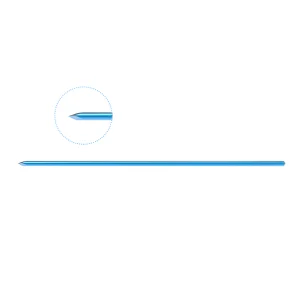
Best Titanium Alloy Orthopedic Bone Pin Factories, Company
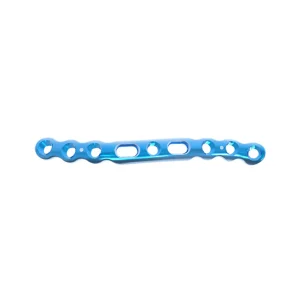
China Anteromedial Clavicle Locking Compression Plate Suppliers, Companies
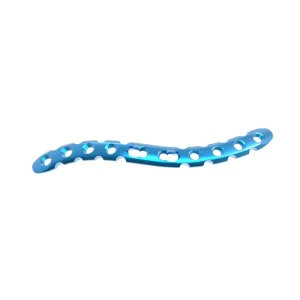
Wholesale Clavicle Reconstruction Locking Compression Plate Supplier, Exporters
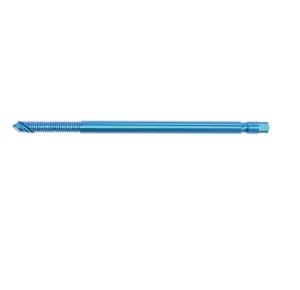
Cheap Titanium Alloy Pin for Orthopedic External Fixation Pricelist, Exporter
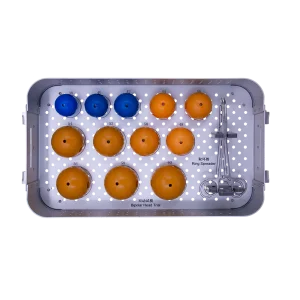
Famous Orthopedic Implant Human Use Bipolar Hip Instrument Set Suppliers, Exporter
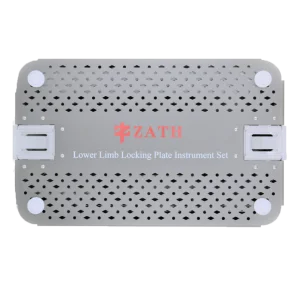
ODM Orthopedic Instrument Lower Limb Locking Plate Instrument Set Manufacturer, Suppliers
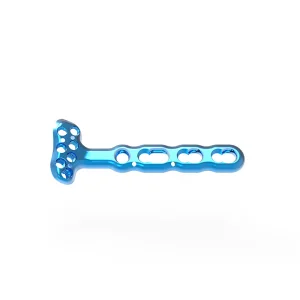
Cheap DVR Locking Compression Plate Factories, Company
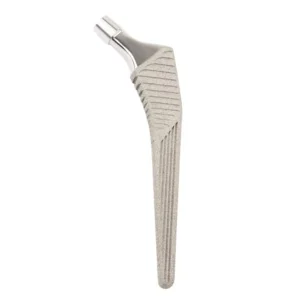
CE Certification ADS Stem For Hip Prosthesis Product, Service
Partner with ZATH: Direct Orthopedic Manufacturing Excellence
Contact our clinical engineering team today to review technical drawings, request sterile demonstration samples, or discuss localized bulk distribution agreements.