Trauma & Arthroplasty Engineering Hub
Verified clinical orthopedic devices engineered under strict ISO 13485 quality protocols, supporting international tenders and healthcare procurement teams.
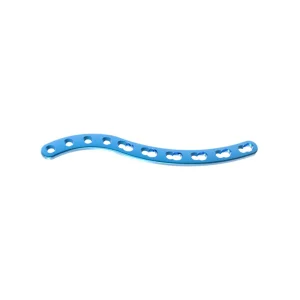
Biomechanical Principles of the Proximal Tibia Lateral Plate System
Comprehensive metallurgical and anatomical perspectives on solving complex bicondylar tibial plateau and periarticular metaphyseal fractures.
Subchondral Raft Technology
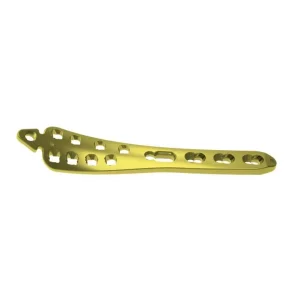
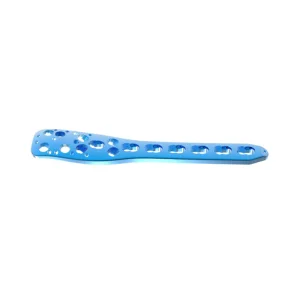
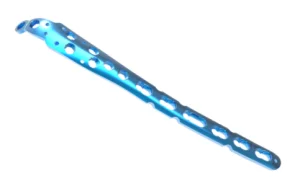
Multi-directional locked raft screws provide targeted structural support directly underneath the depressed lateral articular cartilage, effectively preventing secondary articular collapse during the osteosynthesis process.
Pre-contoured Profile
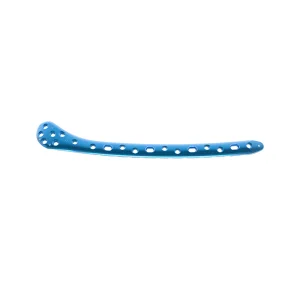
Developed using deep anthropometric datasets representing broad multi-ethnic lateral condylar geometries. This eliminates extensive intraoperative plate contortion while minimizing iliotibial band irritation.
Combi-Hole Flexibility
Integrates dynamic compression unit (DCU) mechanics with threaded angular stability in a singular opening, allowing orthopedic surgeons to choose between rigid locking or dynamic load-sharing reconstruction.
Clinical Classification Context: Addressing Schatzker Type I to VI Fractures
The Proximal Tibial Lateral Locking Plate system is optimized to treat both high-energy polytrauma cases and low-energy osteoporotic splits. For Schatzker I (pure cleavage) and Schatzker II (cleavage with depression), lateral buttressing provides structural realignment. In Schatzker V and VI instances involving complete metaphyseal-diaphyseal dissociation, the plate serves as a bridge construct, neutralizing multi-planar shear and rotational stresses while safeguarding the periosteal blood supply.
Evolving Procurement Dynamics in Orthopedic Traumatology
Strategic analysis of clinical preferences, hospital budget constraints, and contract manufacturing models reshaping the global proximal tibia plate marketplace.
Shift to Pre-Sterile Kits
Healthcare facilities across Europe, the Middle East, and Latin America are migrating away from non-sterile instrument trays toward sterile unit packs, mitigating hospital-acquired infection risks and shortening OR prep times.
Tender Cost Rationalization
National healthcare frameworks demand tier-1 biomechanical performance accompanied by aggressive cost efficiency. OEM manufacturing in China bridges this gap by offering Swiss CNC accuracy at sustainable pricing.
MDR & Traceability Mandates
The implementation of EU MDR 2017/745 requires comprehensive biological evaluations, clinical data synthesis, and end-to-end UDI (Unique Device Identification) tagging down to raw titanium billet origins.
CDMO Long-Term Integration
Multinational orthopedic brands increasingly partner with vertically integrated Chinese manufacturers capable of rapid CAD-to-CAM turnaround, modular tooling design, and flexible low-volume lot batching.
Macro Engineering Solutions & Technical Specifications
Comprehensive mechanical parameter comparison and metallurgical standards applied across ZATH trauma platforms.
| Specification Parameter | ZATH High-Performance Standard | Clinical Advantage & Benefit |
|---|---|---|
| Raw Material Grade | Ti-6Al-4V ELI (ASTM F136 / ISO 5832-3) | Superior fatigue life, exceptional osseocompatibility, lower elastic modulus reducing stress shielding. |
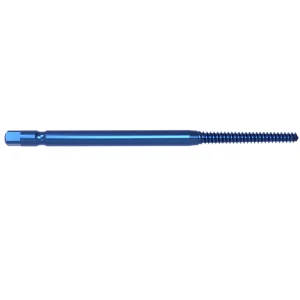
| Screw Interface System | Dual-lead Locking & Non-Locking 3.5mm / 4.5mm | Fast screw advancement without cross-threading; optimal purchase in both cortical and osteopenic cancellous bone. |
| Head Thickness & Profile | Low-profile tapered tip (2.8mm - 3.2mm) | Minimizes impingement on lateral collaterals and pes anserinus insertion, reducing wound closure complications. |
| Surface Anodization | Type II Hard Anodization Treatment | Reduces cold-welding tendencies between screw heads and plate holes; elevates wear and fretting resistance. |
| Plate Shaft Length Options | 4 to 16 holes (Left / Right anatomical asymmetry) | Accommodates localized plateau splits up to extensive comminuted segmental fractures down the tibial shaft. |
Turnkey Regulatory Dossiers & Localized Market Support
Facilitating seamless market access across regulated jurisdictions through rigorous documentation, certified cleanroom manufacturing, and technical training.
ISO 13485 & CE Compliance
Our production ecosystem in Pinggu, Beijing undergoes recurrent surveillance audits by accredited notified bodies. Full technical files, Biocompatibility (ISO 10993), and Sterilization Validation (ISO 11137) records are accessible for distributors.
Matched Instrument Engineering
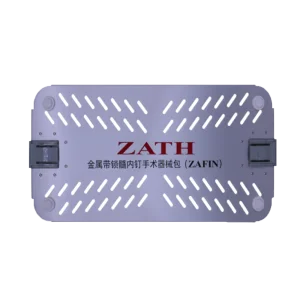
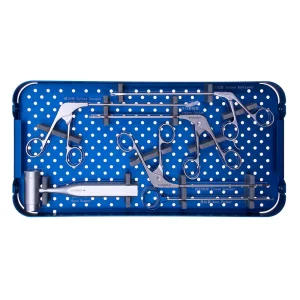
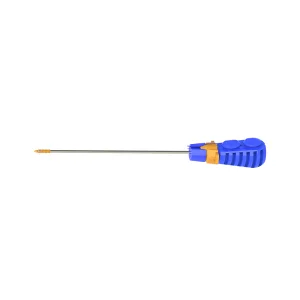
Plates perform only as well as the instruments driving them. We machine matching ergonomic trauma sets including radiolucent aiming guides, torque-limiting screwdrivers, drill sleeves, and bone-holding reduction forceps.
Customized OEM/ODM Private Labeling
From custom laser-marking identifiers and bespoke tray anodization colors to multi-lingual patient information leaflets and country-specific barcoding, we empower distributors to build sovereign brand equity.
Next-Generation Trauma Solutions: 2026–2030
Anticipating clinical milestones through advanced computational modeling, additive manufacturing, and biological surface science.
3D Trabecular Titanium Porous Scaffolds
ZATH R&D is standardizing electron beam melting (EBM) additive printing for severe comminuted plateau bone defects, integrating micro-porous scaffolds that emulate natural trabecular architecture to hasten osteointegration.
Patient-Specific Implantation & Robotics Compatibility
Developing AI-guided semi-custom plate deformation maps based on preoperative CT DICOM reconstructions, ensuring navigation tracker calibration with modern orthopedic surgical robotic stations.
Frequently Asked Questions for Medical Importers & Distributors
Direct answers addressing technical feasibility, procurement lead times, and regulatory support.
How does the lateral plate maintain knee joint alignment in comminuted fractures?
By employing locked subchondral raft screws, the plate acts as a fixed-angle beam construct. It resists dynamic varus and valgus moments during early functional rehabilitation, preventing lateral plateau tilt and post-traumatic osteoarthritis.
What is the standard production turnaround time for OEM plate orders?
For standard catalog configurations, dispatches ship within 4-6 business days. Custom OEM orders requiring tailored engraving, anodization coloring, and sterile blister sealing typically finalize production cycles in 3 to 5 weeks.
Can your plates be used with standard AO/ASIF compatible screw systems?
Yes. Our internal thread pitches and combi-hole dimensions align with standard universal orthopedic specifications, allowing intraoperative synergy with standard 3.5mm/4.5mm locking and cortical screws.
What quality validation dossiers are provided for national Ministry of Health registrations?
ZATH supplies complete documentation dossiers including Certificate of Free Sale (CFS), ISO 13485 certification, biocompatibility protocols, mechanical static/dynamic fatigue test data, and sterile barrier validation reports.
Orthopedic Reconstructive & Fixation Portfolio
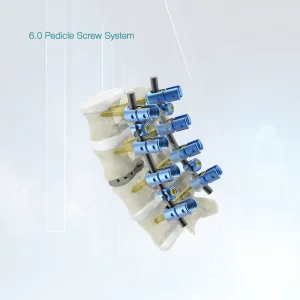
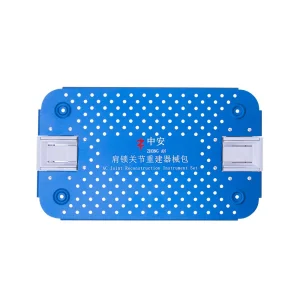
Complete surgical lines from upper limb fixation to spinal and joint arthroplasty systems manufactured in our Beijing facility.