Precision Osteosynthesis & Trauma Implants
Engineered to international regulatory parameters, featuring grade-5 titanium metallurgy and optimal biomechanical screw-hole dynamics.
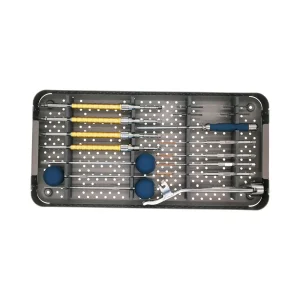
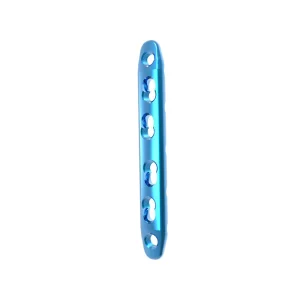
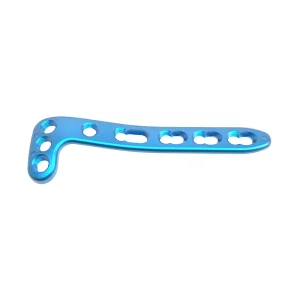
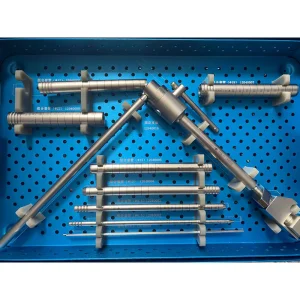
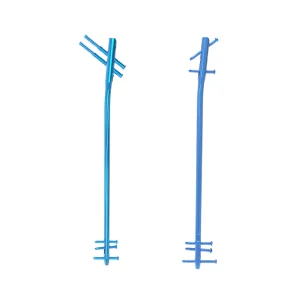
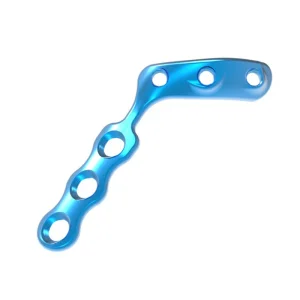
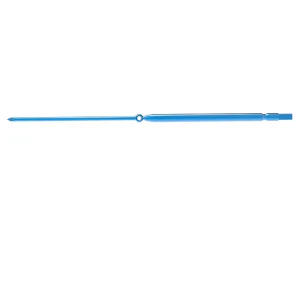
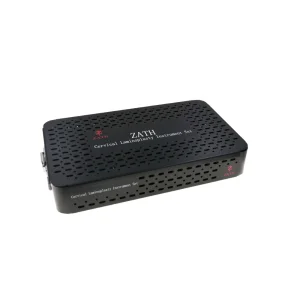
Evolution of Locking Compression Plate (LCP) Technology
A transition from static load-bearing fixtures to biologically active, micro-motion load-sharing constructs.
Variable-Angle Polyaxial Trajectories
Traditional rigid monolithic systems restricted fixation to monoaxial vectors. Modern internal fixators utilize polyaxial locking geometries, allowing surgical freedom to target optimal bone quality while avoiding articular surfaces or preexisting hardware.
With freedom up to 15 degrees in all directions, variable-angle technology provides robust stability in peri-articular segments, comminuted metaphyses, and geriatric osteoporotic bone beds.
Dynamic Micro-Motion & Callus Formation
Rigid over-stiff constructs historically caused stress shielding and asymmetrical healing. Contemporary locking compression plate systems incorporate controlled biological elasticity.
By engineering calibrated flexural properties through biocompatible titanium alloy (Ti-6Al-4V ELI), our designs stimulate secondary bone healing via interfragmentary micro-motion, minimizing non-union risks.
Periosteal Vascular Preservation
The Limited Contact Dynamic Compression Plate (LC-DCP) and modern LCP profiles reduce plate-to-bone contact surface area by up to 60% compared to standard compression plates.
This design preserves the periosteal microvascular network, accelerates revascularization, decreases thermal necrosis risks, and significantly limits postoperative cortical devitalization.
Years of Direct Surgical R&D (Founded 2009)
Dedicated Engineers, Machinists & QA Personnel
Optical CMM & Dimensional Batch Traceability
Global Priority Express Supply Delivery
China Industry 4.0: Precision Production & Scale
Inside Beijing ZhongAnTaiHua Technology Co., Ltd. (ZATH) — merging advanced Swiss multi-axis machining with sterile cleanroom infrastructure.
5-Axis CNC Precision Centers
Utilizing high-precision multi-axis machining stations from leading global toolmakers, ZATH executes complex anatomically contoured locking plates with micro-tolerances below 5 microns. Every locking thread undergoes automated optical profiling.
ISO Class 7 Cleanroom & Packaging
Implants are processed in validated cleanrooms featuring automated ultrasonic degreasing, passivation, and terminal double-sterile barrier blister packaging. Devices arrive ready for emergency room and OR use without field autoclaving.
Traceable Raw Material Management
Every batch begins with raw medical-grade Titanium Alloy (ASTM F136) and high-grade stainless steel with full mill inspection certifications. Spectrometric verification ensures fatigue resistance and fracture toughness.
OEM/ODM Dynamic Tooling Flexibility
Integrated CAD/CAM workflows enable rapid tooling shifts for private-label distributors, ranging from personalized plate curvatures for specific regional demographics to custom laser surface marking and color-anodized sizing protocols.
Meeting Global Hospital & Tender Requirements
How international distributor networks secure cost-efficiency and compliance across varied public tender frameworks.
Technical Documentation & MDR Support
Distributors require extensive biocompatibility records (ISO 10993), biomechanical dynamic fatigue reports (ASTM F382), and validation files. ZATH provides standardized technical dossier packages to streamline domestic ministry submissions.
Total Cost of Ownership (TCO)
By leveraging an integrated Beijing manufacturing hub, hospital chains and national healthcare ministries cut per-unit procurement costs by 35% to 50% compared to Western legacy brands, without sacrificing clinical efficacy.
Rapid Consignment Replenishment
Trauma centers require reliable lead times. ZATH maintains pre-finished inventory cushions and maintains direct relationships with tier-1 global air couriers, ensuring critical implant stock replenishment arrives within 96-144 hours.
Anatomical Specialization & Clinical Scenarios
Engineered to match unique load vectors across upper limb, lower limb, and axial trauma cases.
Proximal Humerus Multi-Fragment Fixation
Features divergent and convergent screw positioning in the humeral head to deliver calcar support, preventing varus collapse and screw cut-out in poor bone matrices.
Proximal Medial Tibia Periarticular Reconstruction
Pre-shaped to fit the medial tibial plateau contour. Low-profile construction minimizes soft-tissue irritation, while raft row locking screws offer subchondral joint protection.
Distal Femur Lateral Condyle Systems
Engineered to withstand heavy axial and torsional loads during primary ambulation. Multi-hole distal clusters secure periprosthetic fractures around total knee arthroplasties.
Scapular & Complex Clavicular Fractures
Pre-contoured 3D profiles tailored to match variable scapular spines and S-shaped clavicular geometries, minimizing manual OR bending and keeping operating times short.
Frequently Asked Questions for Hospital Buyers
In-depth responses covering mechanical integrity, materials, sterilization, and contract terms.
What biomaterials are used in ZATH Locking Compression Plates?
How do combination (combi) holes function within your LCP systems?
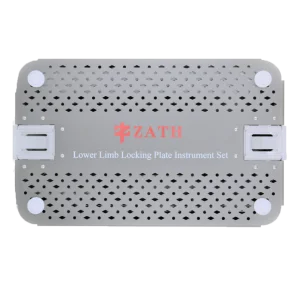
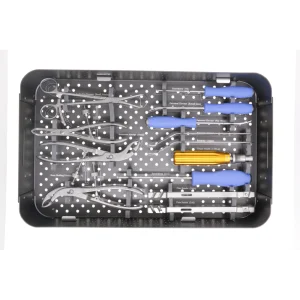
Are matching surgical instrument sets supplied with the plates?
What regulatory and quality certifications back your manufacturing lines?
What is the standard lead time for OEM/ODM contract production?
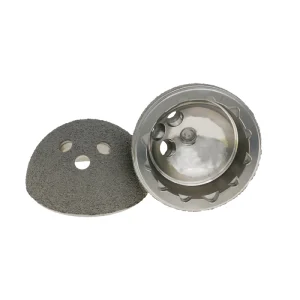
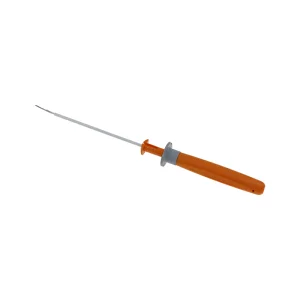
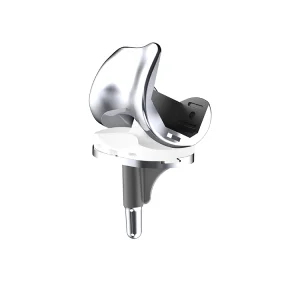
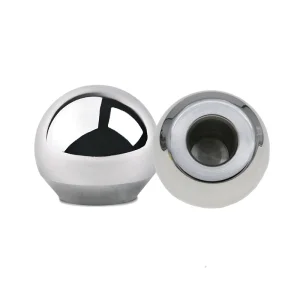
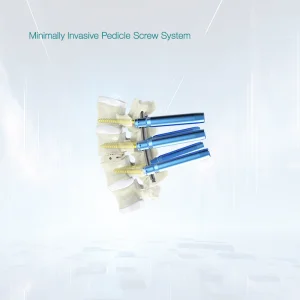
Joint Arthroplasty, Minimally Invasive Spine & Fixation
Integrated surgical solutions delivering reliable operative support across complex reconstructive and sports trauma procedures.