
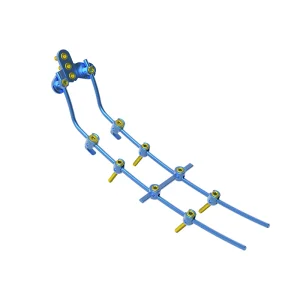
Precision Engineering Portfolio
Featured Orthopedic Systems & Clinical Fixation Implants
Direct from our Beijing Zhongguancun Science Park manufacturing base. Every system integrates seamlessly with standard surgical sets, offering sterile-barrier integrity, complete lot trace-code documentation, and certified regulatory dossiers.
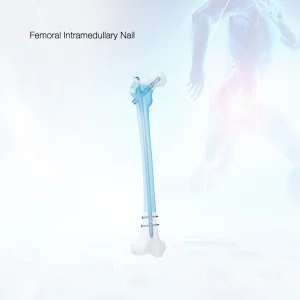
Cheap Surgical Orthopedic Implant Titanium ZAFIN Intramedullary Nail Pricelist, Exporters
View Specifications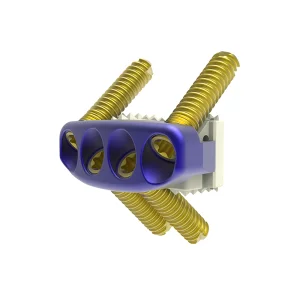
Buy ZP Cervical Cage Manufacturer CE FSC ISO Insured Supplier Exporter, Company
View Specifications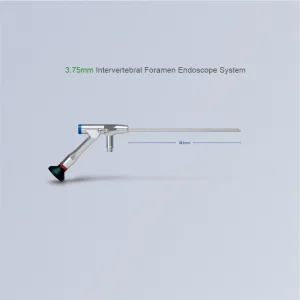
CE Certification 3.75mm Intervertebral Foramen Endoscope System Manufacturer, Exporter
View Specifications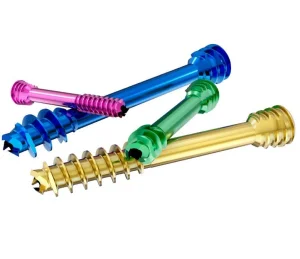
Famous Medical use double threaded cannulated screw with price Factory, Exporters
View Specifications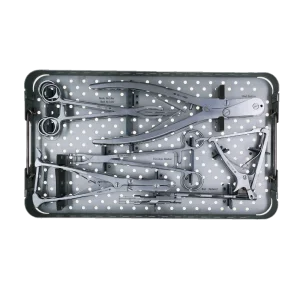
Custom CE approved Orthopedic Ladder OCT Instrument Set for sale Suppliers, Company
View Specifications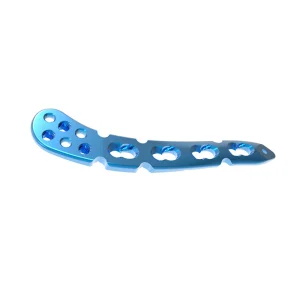
Wholesale Distal Clavicle Locking Compression Plate Manufacturers, Suppliers
View Specifications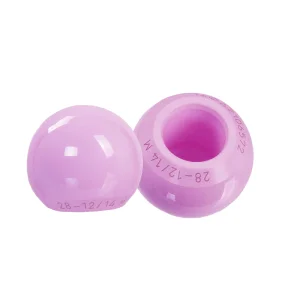
Buy Ceramic CDH Femoral Head Implant Hip Exporter, Company
View Specifications
Technical Whitepaper Section 01
Biomechanical Engineering of Cortex Screws: Thread Architecture & Purchase Mechanics
In modern trauma osteosynthesis, the cortex screw (cortical bone screw) represents the baseline mechanical anchor for plate stabilization, interfragmentary compression, and complex diaphyseal fracture reconstruction. Achieving dependable purchase within dense, lamellar cortical bone requires an uncompromising alignment between metallurgical purity, thread profile engineering, and physiological load distribution.
Asymmetrical Buttress Thread Pitch
Unlike cancellous screws characterized by wide pitches and deep profiles for spongy trabeculae, cortex screws feature a narrower pitch (typically 1.25mm to 1.75mm) and a shallow thread depth. The asymmetrical buttress profile directs axial driving force perpendicular to the load-bearing cortical face, minimizing radial shear stresses that could induce micro-fractures in osteoporotic or brittle diaphyses.
Core-to-Outer Diameter Optimization
The pull-out strength of a cortical screw is mathematically governed by outer diameter, core diameter, thread pitch, and bone mineral density. ZATH cortex screws maintain an engineered core shaft diameter ratio that maximizes torsional yield limit during final tight-down while preserving maximum bone volume between adjacent thread crests to prevent thread stripping.
Torx (Hexalobular) vs Hex Drive
To combat operative drive stripping—a leading cause of surgical delay during high-torque bicortical insertion—our cortical lines integrate precision-machined Torx (StarDrive) recesses. The multi-lobe geometry provides vertical contact walls that eliminate the cam-out forces common to traditional hexagonal recesses, allowing higher axial torque transfer without head deforming.
| Nominal Size | Core Diameter | Thread Pitch | Pilot Drill Bit | Hex / Torx Recess | Standard Metallurgies | Clinical Focus |
|---|---|---|---|---|---|---|
| Ø 1.5 mm Cortex | 1.0 mm | 0.50 mm | Ø 1.1 mm | T4 / 1.2 Hex | Ti6Al4V ELI | Craniomaxillofacial & phalangeal micro-fractures |
| Ø 2.0 mm Cortex | 1.4 mm | 0.60 mm | Ø 1.5 mm | T6 / 1.5 Hex | Ti6Al4V ELI | Metacarpal, metatarsal & pediatric mini-fragment |
| Ø 2.4 mm Cortex | 1.7 mm | 0.75 mm | Ø 1.8 mm | T8 / 2.0 Hex | Ti6Al4V ELI 316LVM | Distal radius, distal ulna, and hand trauma |
| Ø 2.7 mm Cortex | 1.9 mm | 1.00 mm | Ø 2.0 mm | T8 / 2.5 Hex | Ti6Al4V ELI 316LVM | Clavicle, ankle, distal fibula, midfoot fixation |
| Ø 3.5 mm Cortex | 2.4 mm | 1.25 mm | Ø 2.5 mm | T15 / 2.5 Hex | Ti6Al4V ELI 316LVM | Small fragment plates, humerus, radius, tibia shaft |
| Ø 4.5 mm Cortex | 3.0 mm | 1.75 mm | Ø 3.2 mm | T25 / 3.5 Hex | Ti6Al4V ELI 316LVM | Large fragment neutralization, femur & tibial diaphysis |
Global B2B Market Insights
Global Sourcing Realities: Cost Containment, MDR Shocks & Supply Resilience
Healthcare providers worldwide face acute budgetary pressures under reformed Diagnosis-Related Group (DRG) and DIP reimbursement structures. In response, global orthopedic implant distributors and medical supply consortiums are actively re-evaluating historical single-source relationships with legacy Western conglomerates.
Demographic Trauma Surges
With an aging global population exceeding 700 million individuals over age 65, fragility fractures and poly-trauma admissions are climbing steadily at an estimated 6.2% CAGR. Cortical and locking screws remain the highest-volume consumable medical device inside the orthopedic operating theater, necessitating high-capacity supplier pipelines.
Regulatory Attrition & EU MDR
The implementation of the European Medical Device Regulation (EU MDR 2017/745) caused legacy OEM suppliers to discontinue hundreds of low-margin traumatic screw SKUs due to the exorbitant cost of retrospective clinical data collection. ZATH fills this procurement void with fully documented Class IIb technical files, CE certification, and FSC authorization.
Sterile Packaging Transition
Hospital Central Sterile Services Departments (CSSD) are increasingly rejecting bulk non-sterile screw caddies due to decontamination liability and instrument processing costs. Global procurement tenders in Europe, Latin America, and Southeast Asia now mandate individually double-sterile-packed cortical screws with GS1 DataMatrix barcodes.
Industry 4.0 Ecosystem
China Factory 4.0: Precision CNC Machining, Metallurgy & Traceability
Operating from the Zhongguancun Science and Technology Park in Pinggu, Beijing, ZATH represents China's advanced manufacturing capabilities in orthopedic hardware. Through continuous deployment of Swiss-type longitudinal turning lathes, multi-axis wire EDM centers, and automated optical validation systems, our factory delivers tolerances within ±0.005mm across all critical dimensions.
15+
Years of Orthopedic R&D (Founded 2009)
300+
Manufacturing & Engineering Workforce
100≈
Senior Metrology & QA Technicians
100%
Traceable Raw Material Heat Lots
Vacuum Arc Remelted Ti6Al4V
Our titanium cortex screws utilize raw medical-grade Grade 5 titanium alloy (Ti-6Al-4V ELI per ASTM F136 / ISO 5832-3). Every raw billet undergoes microstructural inspection and chemical spectrometry verification, accompanied by 3.1 mill test certificates to guarantee zero structural inclusions.
Swiss Multi-Axis Machining
High-speed Citizen and Star multi-axis CNC machines cut self-tapping flute geometries, screw drive sockets, and continuous thread forms in a single synchronized chuck clamping operation. This prevents runout deviation and maintains axial co-linearity between screw head, shank, and tapered tip.
Type II Anodic Passivation
Following mechanical polishing, all titanium cortex screws undergo controlled Type II anodic oxidation. This medical-grade surface treatment thickens the passive titanium dioxide (TiO2) film, enhancing fretting-corrosion resistance under micro-motion within plate counter-sinks and color-coding sizes for surgical ease.
Class 100,000 Cleanroom Packaging
Sterilization packaging occurs in an environmentally monitored Class 100,000 (ISO Class 7) cleanroom. Double Tyvek heat-sealed blister barriers ensure sterility protection over an accelerated-aging validated 5-year shelf life under gamma irradiation or ethylene oxide (EO) protocols.
Surgical Technique & Applications
Clinical Execution: Lag Screw Fixation & Plate Neutralization
The clinical versatility of the cortex screw is demonstrated across two fundamental surgical maneuvers: direct interfragmentary lag screw fixation and neutralization/buttress plate securing. Meticulous execution of these techniques prevents non-union and hardware failure.
The Interfragmentary Lag Screw Technique
When repairing oblique or spiral fractures (e.g., spiral distal fibula or humeral shaft), cortex screws serve as lag screws to produce primary interfragmentary compression. The surgical sequence demands precision: over-drilling the near cortex to the screw’s outer diameter (gliding hole), drilling the far cortex to core diameter (thread hole), countersinking the head to distribute stress, and tightening to draw the far fragment tightly against the near fragment.
- Generates up to 2500–3000 N of interfragmentary clamping force.
- Reduces interfragmentary strain to <2%, promoting direct primary bone healing.
Plate Neutralization & Buttress Fixation
A solitary lag screw cannot withstand physiological torsional, bending, or shearing forces alone. Surgeons pair cortex screws with dynamic compression plates (DCP) or locking compression plates (LCP). Driven through plate oval holes into bicortical bone, cortex screws pull the plate flush against periosteum, protecting the fracture site from displacement during functional limb rehabilitation.
- Compatible with standard LC-DCP and modern combi-hole systems.
- Countersunk screw heads sit flush to reduce adjacent soft-tissue irritation.
Quality Assurance & Authority
ASTM F543 Testing & Global Regulatory Dossier Compliance
International distribution of surgical hardware requires rigorous mechanical validation. Every cortex screw lot produced by ZATH is subjected to automated visual inspection, laser coordinate measurement, and mechanical bench testing in accordance with ASTM F543 (Standard Specification and Test Methods for Metallic Medical Bone Screws).
Torsional Strength & Breaking Angle
Sample units from each CNC manufacturing run are clamped at five threads from the head and driven to failure on a digital torque tester. Yield torque, maximum torsional strength, and breaking angle must exceed ASTM F543 benchmarks to guarantee resistance to intraoperative screw breakage.
Axial Pull-Out Resistance
Testing in validated polyurethane foam test blocks (densities simulating human normal and osteoporotic cortical bone) confirms thread profile holding power under peak extraction force. This documentation forms a vital part of registration submissions for international regulatory bodies.
Driving & Removal Torque
Self-tapping flute cutting efficiency is measured to confirm smooth screw advancement without thermal necrosis. Driving torque curves confirm consistent thread engagement through both near and far cortices, followed by low removal torque for planned hardware explantation.
UDI & Global Registration Support
Each blister package features GS1-compliant Unique Device Identification (UDI) barcodes containing GTIN, production lot number, manufacture date, and expiration date. ZATH provides complete Technical Documentation files to support distributor registrations across FDA 510(k), COFEPRIS, ANVISA, and SFDA jurisdictions.
Technical & Procurement FAQ
Frequently Asked Questions for Orthopedic Procurement Directors
Detailed answers concerning cortical screw biomechanics, metallurgical selection, OEM customization, cleanroom packaging, and global distributor qualification protocols.
What are the key biomechanical differences between Cortex Screws and Cancellous Screws?
Cortex screws are engineered specifically for dense, lamellar diaphyseal bone. They feature a fine pitch (1.25mm–1.75mm), a larger core-to-outer diameter ratio (typically 0.65 to 0.70), and shallower thread depth, which optimizes purchase in dense cortical walls. In contrast, cancellous bone screws feature an aggressive, coarse pitch (2.0mm–3.5mm) and deep threads with a thin core to pack and compress porous, spongy bone tissue in metaphysical and epiphyseal zones. Cortical screws are also fully threaded along their entire length for plate neutralization, though partially threaded versions are employed when lagging without over-drilling.
Why choose Titanium Ti-6Al-4V ELI over 316LVM Stainless Steel for cortical fixation?
Medical Grade 5 Titanium alloy (Ti-6Al-4V ELI per ASTM F136 / ISO 5832-3) possesses a modulus of elasticity (~110 GPa) that is significantly closer to human cortical bone (15–25 GPa) than 316LVM stainless steel (~200 GPa). This modulus parity reduces "stress shielding," a phenomenon where overly stiff implants cause neighboring bone resorption. Furthermore, titanium exhibits superior fatigue resistance, unmatched biocompatibility via its spontaneous titanium oxide passivation layer, and full compatibility with magnetic resonance imaging (MRI) with negligible artifact generation. However, 316LVM remains widely favored for cost-sensitive public healthcare tenders and specific temporary trauma scenarios.
How do self-tapping flutes function during cortical insertion?
Self-tapping cortex screws feature two or three milled cutting flutes at the tip that evacuate cortical bone chips into the flutes as the screw is driven, creating mating female threads in the pre-drilled pilot hole. This eliminates the necessity of a separate bone tap step, shortening operative times and reducing infection risks. To maintain optimal cutting efficiency and prevent flute clogging, ZATH machines clearance pockets behind each cutting edge, ensuring low insertion torque while maintaining high axial holding power across bicortical bone passages.
What are the minimum order quantities (MOQ) and lead times for wholesale OEM/ODM cortex screws?
Standard catalog cortex screws in sterile packaging generally have an MOQ of 50 to 100 units per length size, while non-sterile bulk configurations for caddy sets can be procured with lower minimums when bundled with matching locking plates or surgical instrument sets. For OEM/ODM custom thread designs, specialized anodization color coding, or branded sterile Tyvek pouches, production setups typically require a minimum run of 500 units per specification. Stock items ship within 4 to 6 business days via DHL/FedEx/UPS/TNT air logistics, while custom manufacturing batches are fulfilled in 4 to 6 weeks.
Does ZATH supply matching surgical instrumentation sets with wholesale screw orders?
Yes. A primary differentiator of ZATH is our ability to deliver completely matched clinical systems. We manufacture matching surgical instrument sets for small-fragment (Ø2.7mm/Ø3.5mm) and large-fragment (Ø4.5mm) systems. These sets include quick-coupling screwdrivers with Torx/Hex bits, calibrated depth gauges, double-ended drill guides with hardened drill sleeves, countersinks, bone reduction forceps, and custom anodized aluminum sterilization cases.
What regulatory and quality certifications back your cortical screw production lines?
All ZATH manufacturing facilities in Beijing are certified under ISO 13485 (Medical Devices Quality Management Systems) and audited regularly. Our implants carry Free Sale Certificates (FSC), UDEM CE compliance documentation, and comprehensive testing documentation verifying compliance with ASTM F543 and ISO 5835. Our regulatory affairs team actively assists qualified international distributors in compiling local dossiers to secure rapid import clearance in European, Latin American, Southeast Asian, and Middle Eastern healthcare markets.
Comprehensive Trauma & Joint Portfolio
Trauma Reconstructive Hardware & Joint Arthroplasty Platforms
Expanding beyond diaphyseal fixation, our factory supplies integrated spinal systems, complex periarticular locking plates, intramedullary femoral nails, and endoprosthetic hip solutions, all built to identical metallurgical standards.
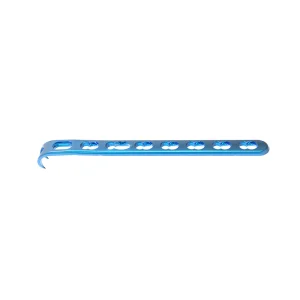
Buy Olecranon Hook Locking Compression Plate Companies, Products
View Specifications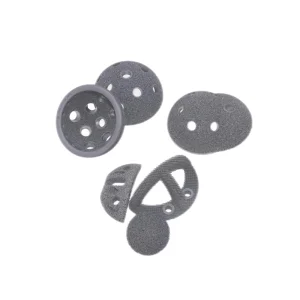
ODM 3D Printing Acetabular Revision System Manufacturers, Pricelist
View Specifications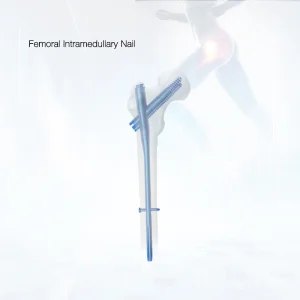
OEM Surgical Hospital Use InterZan Titanium Interlocking Nail for Femur Supplier, Factories
View Specifications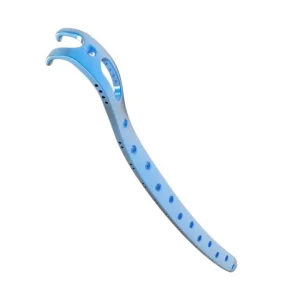
ODM Proximal Femur Locking Plate III Manufacturer, Suppliers
View Specifications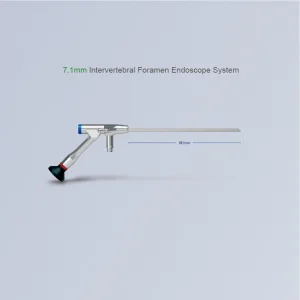
Wholesale 7.1mm Intervertebral Foramen Endoscope System Factory, Factories
View Specifications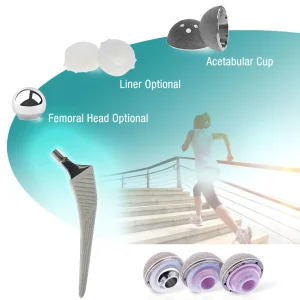
Discount Professional Medical Hip Implant Titanium Bipolar Hip Joint Prosthesis Manufacturers, Supplier
View Specifications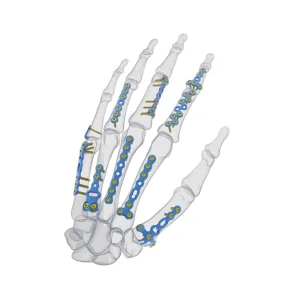
Best Hand Fracture Locking Plate System Exporter, Companies
View Specifications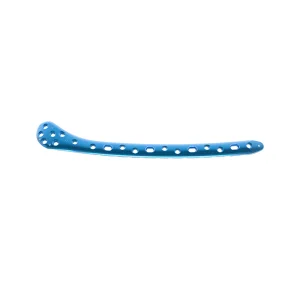
Best Distal Lateral Femur Locking Compression Plate I Factory, Company
View Specifications
Direct Manufacturer Channel
Empower Your Regional Supply Chain with High-Precision Orthopedic Implants
Request factory-direct wholesale pricelists, complete CAD instrumentation catalogs, and registration dossiers for our Cortex Screw platforms and trauma locking plate systems. Qualified orthopedic distributors receive dedicated technical sales support and custom OEM sampling.