
Precision Primary Implants & Specialized Surgical Instrument Kits
Engineered to international regulatory benchmarks (ISO 5832, ASTM F136, CE MDD/MDR), manufactured on multi-axis CNC systems, and backed by comprehensive technical documentation.
Global Commercial Ecosystem: Paradigm Shift in Orthopedic Sourcing
Evaluating macro-procurement transformations, cost containment pressures, and Tier-1 supply chain alternatives.
Value-Based Procurement (VBP)
National healthcare systems across EMEA, APAC, and LATAM are moving away from inflated multinational markups. Sourcing authorities require verified clinical equivalence, validated fatigue performance, and competitive wholesale pricing without compromising mechanical durability.
- 35-50% operational cost containment
- Transparent bill of materials (BOM)
- Long-term price stability contracts
Distributor Margin Resilience
Regional distributors face declining tender margins under legacy monopoly brands. Partnering with a vertically integrated exporter offers higher gross profit margins, enabling significant capital reinvestment into local stocking, surgical technician training, and rapid hospital fulfillment.
- Exclusive territorial distribution options
- Flexible Minimum Order Quantities (MOQ)
- Consignment stock management support
MDR Regulatory Realignment
The implementation of EU MDR 2017/745 and elevated national regulatory thresholds have culled inefficient intermediaries. Qualified exporters now maintain exhaustive clinical evaluation reports (CER), biocompatibility datasets, and audited technical construction files.
- ISO 13485:2016 third-party certified
- Full biological safety testing (ISO 10993)
- Notified body audited production sites
Structural Evolution: Decentralizing Global Orthopedic Supply
The global orthopedic market—encompassing reconstruction arthroplasty, spinal stabilization, fracture fixation, and sports medicine repair—has entered a pivotal transition. For decades, Western tier-one conglomerates dominated global supply with substantial brand premiums. However, the maturation of precision CNC multi-axis milling, Swiss automatic screw turning, and robotic surface treatment technologies has established China, particularly high-tech clusters such as Zhongguancun Science Park in Beijing, as the engineering epicenter of modern orthopedic manufacturing.
Institutional hospital procurers and multinational private label clients no longer look merely for raw production capacity; they demand agile contract manufacturing organizations (CMOs) capable of maintaining tight geometric dimensional tolerances (±0.005 mm), zero-defect cleanroom packaging, and comprehensive material chemical assay validation. As a recognized wholesale manufacturer and exporter, Beijing ZhongAnTaiHua Technology Co., Ltd. (ZATH) has championed this transformation since 2009, combining specialized engineering with direct factory economics.
Supply Chain Resilience: In-House Precision Engineering & Metrology
How Beijing ZhongAnTaiHua Technology Co., Ltd. (ZATH) transforms certified raw titanium and PEEK into surgical-grade implants.
Multi-Axis Machining
Equipped with advanced German and Japanese simultaneous 5-axis CNC machining centers, sliding-head Swiss lathes, and slow-feeding wire EDM units. Enables continuous single-setup processing of intricate anatomical curvatures, variable pitch lead threads, and self-tapping flutes.
Surface Treatment & Coatings
State-of-the-art chemical passivation, Type II anodic oxidation, micro-arc oxidation (MAO), and vacuum plasma spraying (VPS) for pure titanium (Ti) and hydroxyapatite (HA) dual coatings. Delivers pore sizes from 100 to 400 μm optimal for swift capillary bone ingrowth.
Metrology & Cleanroom Pack
ZEISS 3D Coordinate Measuring Machines (CMM), optical profile comparators, and automated tensile/torsion test benches. Final cleaning utilizes ultrasonic multi-stage pure water systems, concluding in Class 10,000 (ISO Class 7) cleanrooms for blister sealing.
Certified Material Science & Biomechanical Metallurgy
The biomechanical success of any orthopedic implant depends on the metallurgical integrity of its raw stock. ZATH enforces 100% optical emission spectrometry verification for every incoming metal lot, rejecting non-conforming lots before production begins.
| Implant Material Grade | Standard Reference | Tensile Strength (MPa) | Modulus of Elasticity (GPa) | Primary Clinical Applications |
|---|---|---|---|---|
| Ti-6Al-4V ELI (Grade 23) | ASTM F136 / ISO 5832-3 | ≥ 860 | 110 - 114 | Pedicle screws, trauma locking plates, intramedullary nails, hip stems |
| Commercially Pure Ti (Grades 1-4) | ASTM F67 / ISO 5832-2 | 240 - 550 | 100 - 105 | Craniomaxillofacial mesh, bone pins, porous plasma spray surfaces |
| Implant Stainless Steel (316LVM) | ASTM F138 / ISO 5832-1 | ≥ 800 | 190 - 200 | Cost-effective trauma plates, external fixator bars, cerclage wires |
| Medical PEEK (Optima LT1) | ASTM F2026 | ≥ 95 | 3.5 - 4.0 | Interbody fusion cages (TLIF/PLIF/ACDF), radiolucent suture anchors |
| Surgical Stainless Steel (17-4PH / 420) | ASTM F899 | ≥ 1000 | 200 | Reamers, drill bits, screw taps, plate benders, inserters, retractors |
Localized Clinical Scenarios & Biomechanical Application Protocols
Examining four distinct surgical environments where our implant architectures interface with surgical workflow demands.
Complex Trauma Reconstruction
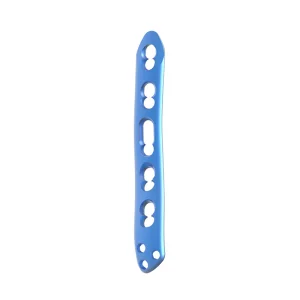
In high-energy fractures (distal femur, proximal humerus, tibial plateau), biological fixation takes precedence over rigid rigidity. Our anatomical locking compression plates (LCP) feature limited-contact designs to protect periosteal micro-circulation, while combi-holes enable either dynamic compression or angular-stable locking.
- Preserves periosteal blood flow
- Variable-angle locking options (±15°)
- Low-profile chamfered plate borders
Minimally Invasive Spine (MIS) Surgery
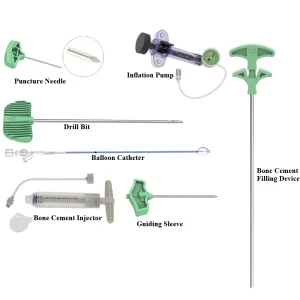
For degenerate disc disease, spondylolisthesis, and vertebral compression fractures (VCF), minimizing muscle stripping is vital for swift recovery. ZATH's 3-in-1 minimally invasive thoracolumbar systems combine percutaneous cannulated pedicle screws, extended breakout tabs, and streamlined rod-insertion instrumentation.
- Friction-fit polyaxial head articulation
- Reverse buttress thread minimizes splaying
- PKP kit for rapid balloon kyphoplasty
Total Joint Replacement (THA & TKA)
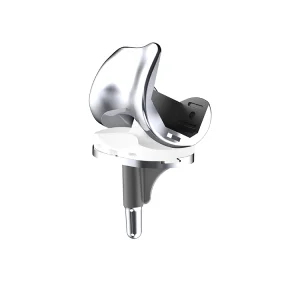
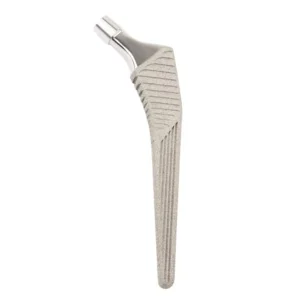
Total hip and knee arthroplasty require optimal primary mechanical stability followed by permanent biological osseointegration. The ZATH ADS Hip Stem utilizes a tapered-wedge geometry with proximal HA plasma coating to avoid proximal-distal stiffness mismatches and reduce thigh pain.
- Reduced proximal stress shielding
- Standard 12/14 taper compatibility
- Highly cross-linked UHMWPE liners
Engineering Roadmap: 2025 to 2035
Anticipating next-generation surgical modalities through active R&D investments in additive manufacturing, bio-absorbable metals, and digital surgical navigation.
3D Trabecular Titanium
Electron Beam Melting (EBM) and Direct Metal Laser Sintering (DMLS) of highly porous interbody cages and acetabular cups with diamond-cell lattice structures matching human cancellous bone modulus (0.5 to 1.5 GPa).
Bioactive Nanocoatings
Application of silver (Ag) and copper (Cu) doped antimicrobial nanocoatings alongside silicon-substituted calcium phosphates (Si-CaP) to virtually eliminate biofilm formation and nosocomial device-associated infections.
Degradable Magnesium Alloys
High-purity bio-absorbable Magnesium-Zinc-Calcium (Mg-Zn-Ca) interference screws, pins, and pediatric trauma implants that safely dissolve in vivo as native bone reconstitutes, eliminating second-stage removal surgeries.
Smart Sensor Telemetry
Integration of ultra-low power micro-electromechanical sensors (MEMS) within knee tibial trays and spinal fusion rods to wirelessly stream post-operative load distribution, bone union rates, and early sub-clinical loosening data.
International Regulatory Assurance & Localized Technical Dossiers
Facilitating seamless product registration for overseas ministries of health and regulatory bodies.
Full Dossier Provision
Our regulatory affairs division compiles comprehensive technical files structured to ASEAN CSDT, European STED, and Latin American COFEPRIS / ANVISA guidelines. We supply raw material chemical test sheets, static & dynamic fatigue reports, and biocompatibility protocols directly.
Sterile Barrier Validation
Implants supplied in sterile packaging undergo rigorous ISO 11607 accelerated aging and real-time shelf life validation (up to 5 years). Double-sterile blister packs utilizing Dupont Tyvek® lids ensure terminal sterility maintenance (SAL 10-6) via verified gamma or EO irradiation.
Air Courier Cold Chain & Express
Global logistics contracts with DHL, FedEx, UPS, and TNT ensure routine door-to-door air freight fulfillment within 4 to 6 business days. Dedicated export clerks manage customs paperwork, Free Sale Certificates (FSC), apostille legalizations, and consular stamps.
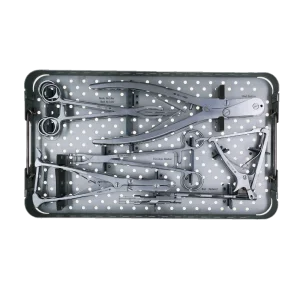
Complete Reconstructive Systems & Ergonomic Surgical Tooling
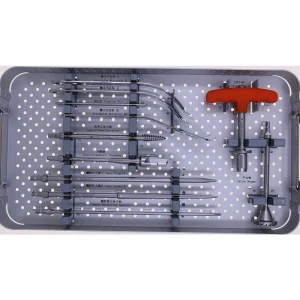
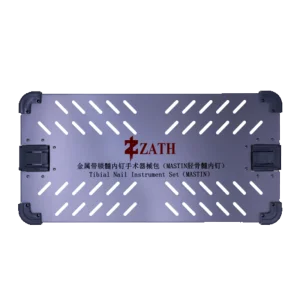
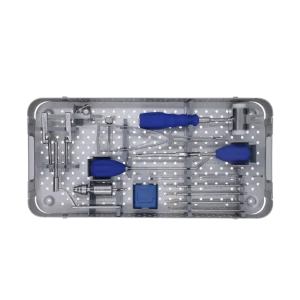
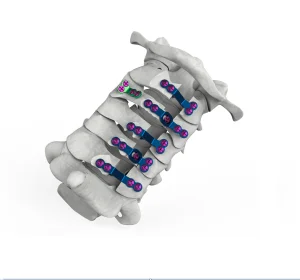
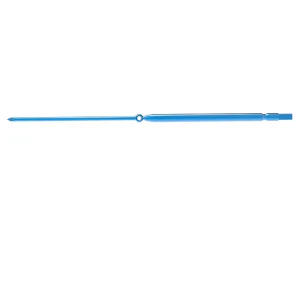
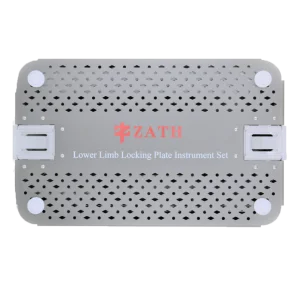
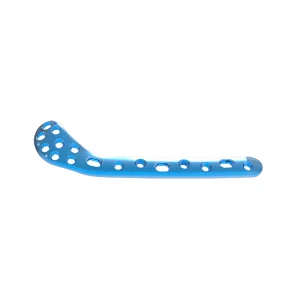
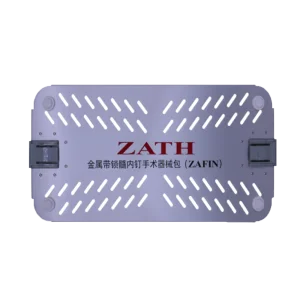
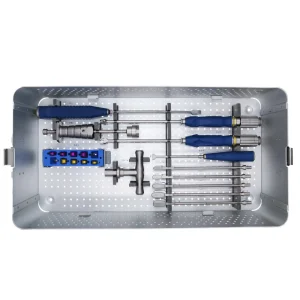
Delivering complete modular instrument trays paired with sterile-packed fixation implants to minimize intraoperative trial errors and reduce surgeon fatigue.
Frequently Asked Questions for Hospital Buyers & Distributors
Addressing engineering specifications, quality management standards, OEM customization capabilities, and international logistics logistics.
What specific orthopedic device platforms does ZATH manufacture?
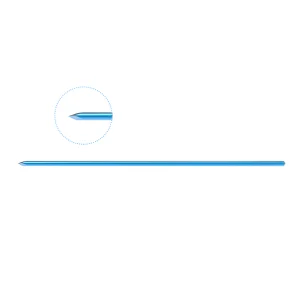
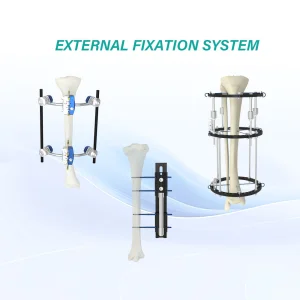
ZATH manufactures five specialized platforms: Joint Reconstruction (total hip systems including cemented/cementless stems, bipolar heads, and primary knee prostheses); Spinal Systems (thoracolumbar polyaxial pedicle screws, minimally invasive MIS cannulated systems, anterior cervical plates, and PEEK interbody fusion cages); Trauma Reconstruction (locking compression plates, cannulated cancellous screws, intramedullary tibial/femoral nails, and external fixators); Sports Medicine (PEEK and titanium suture anchors, buttons, and interference screws); and matched surgical instrument containers for every implant family.
What quality management certifications and test reports back your exports?
Our facility operates under an audited ISO 13485:2016 quality management system specifically for medical devices. All implants carry CE marking conformity documentation under European medical device directives. Furthermore, each production batch undergoes mechanical fatigue testing (ASTM F543 for bone screws, ASTM F1717 for spinal constructs, ASTM F1814 for knee and hip components), with complete chemical composition and tensile mill certificates available for distributor review.
Can ZATH handle custom OEM/ODM implant engineering and laser branding?
Yes. As a primary manufacturer, we support comprehensive OEM/ODM contracts. We can customize screw threading pitches, plate anatomical contouring curves, PEEK cage dimensions, and surface finishes. Our engineering team uses SolidWorks and Siemens NX CAD/CAM pipelines to translate customer blueprints into multi-axis CNC programs. Laser marking of distributor logos, customized part numbers, 2D matrix GS1 barcodes, and localized color anodization are handled fully in-house.
What sterile packaging validation options do you supply for operating theaters?
All ZATH implant lines can be delivered pre-sterilized via Ethylene Oxide (EO) or Gamma Irradiation. Packaging is executed in certified Class 10,000 (ISO Class 7) cleanrooms utilizing medical-grade PETG blisters with Tyvek® breathable lids conforming to ISO 11607-1/2 standards. Pre-sterilized implants eliminate autoclaving overhead for hospitals, allow instant surgical readiness, and provide a verified 5-year sterile shelf life.
What stainless steel alloys are utilized for surgical instrument fabrication?
Our surgical instrument sets utilize martensitic and precipitation-hardening surgical stainless steels conforming to ASTM F899 standards, primarily Custom 455, Custom 465, 17-4PH, and AISI 420. Reamers, bone drill bits, and osteotomes are heat-treated to 50-54 HRC to prevent edge dulling, while handles and retractor frames utilize lightweight anodized aviation-grade aluminum to minimize overall tray weight during repeated autoclaving cycles.
What is the typical production lead time and international delivery protocol?
Standard catalog configurations are maintained in controlled safety stocks at our Beijing central warehouse, allowing dispatch within 48 to 72 hours via international air couriers (DHL, FedEx, UPS) with transit times of 4 to 6 business days. For customized OEM runs or high-volume hospital tender awards, production lead times generally range between 3 to 6 weeks, accompanied by weekly milestone tracking and milestone video audits.