
Featured Orthopedic Systems & Precision Instruments
ZATH's vertically integrated manufacturing lines deliver certified orthopedic trauma, joint arthroplasty, and external fixation hardware trusted across over 40 global markets.
Biomechanics of Proximal Femoral Nailing: PFN vs. PFNA Architecture
Unstable pertrochanteric, intertrochanteric, and high subtrochanteric femoral fractures (AO/OTA 31-A1, A2, and A3) require an implant capable of resisting catastrophic varus collapse, axial rotation, and cut-out through osteoporotic cancellous bone.
Intramedullary Load Sharing vs Load Bearing
Extramedullary constructs (e.g., Dynamic Hip Screws - DHS) carry excessive lever arm bending moments, causing elevated rates of plate fatigue failure and medial cortex displacement in unstable fractures. Proximal intramedullary nails locate the mechanical axis substantially closer to the center of rotation of the femoral head, reducing the lever arm by up to 30%.
- Drastic reduction of bending moment across medial calcar
- Accelerates early ambulation and secondary fracture callusing
- Minimizes operative hematoma with closed reaming technique
Helical Blade vs Dual-Screw Dynamics
Traditional two-screw PFN constructs can present the "Z-effect" or "reverse Z-effect," wherein cyclical weight-bearing prompts migratory displacement or joint penetration. ZATH's PFNA (Proximal Femoral Nail Antirotation) helical blade design compresses bone trabeculae radially rather than reaming it away, providing superior purchase in low-density geriatric bone.
- Compaction of cancellous bone maximizes cut-out resistance
- Single insertion step shortens fluoroscopy and anesthesia duration
- Rotational and angular stability secured through automated blade lock
Optimizing Tip-Apex Distance (TAD)
Clinical studies establish that maintaining a Baumgaertner Tip-Apex Distance (TAD) < 25 mm (ideally < 20 mm) along with Calcar-Referenced TAD (CalTAD) is essential to eliminate cut-through risks. ZATH nails integrate precision continuous fluoroscopic targeting systems ensuring deep, central-inferior placement in the femoral head.
- Anatomical CCD angle options: 125° and 130° for exact restoration
- Engineered lateral bevel protects fragile lateral femoral walls
- FEA validation confirms endurance over 5,000,000 cyclic loads
Clinical Insight: In reverse-oblique (AO 31-A3) and intertrochanteric fractures with lateral cortex blowout, intramedullary nails serve as an internal buttress, preventing medial shaft migration. Selecting high-grade Ti-6Al-4V ELI (ASTM F136) over generic 316L stainless steel provides an optimal elastic modulus closer to cortical bone, significantly diminishing stress-shielding at the nail-bone interface.
Global Procurement Imperatives for PFN & Femoral Systems
Hospital networks, healthcare ministries, and orthopedic distributors encounter strict procurement thresholds when qualifying contract manufacturers for cephalomedullary trauma systems.
Instrumentation Durability & Kit Survivability
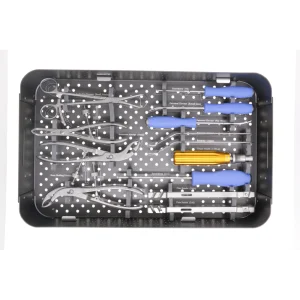
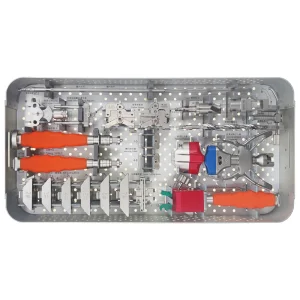
Orthopedic trauma surgery imposes heavy strain on reusable targeting frames, flexible reamers, and depth gauges. Procurement officers prioritize factories that machine targeting jigs from radiolucent carbon fiber and surgical-grade titanium alloys to maintain alignment accuracy after hundreds of autoclave steam cycles.
- Carbon-fiber radiolucent aiming arms resist deformation under torque
- Laser-etched depth gauges provide permanent readability after autoclaving
- Quick-coupling quick-release hex drivers eliminate surgical slippage
Pre-Sterilized vs Non-Sterile Logistics
Cross-contamination risks and soaring operating room turnaround costs have catalyzed a rapid transition toward dual-barrier sterile packaging. ZATH supplies medical implants in cleanroom-sealed, gamma-irradiated (or EO-sterilized) blister packs validated to ISO 11607-1/2 with a 5-year documented shelf-life.
- Direct-to-OR sterile barrier packaging eliminates hospital autoclave queue
- Traceable GS1 compliant 2D DataMatrix and barcode identification
- Reduces hospital inventory shrinkage and sterile handling expenses
Tender Readiness & Technical Dossiers
National health tenders require turnkey technical submissions. ZATH provides distributors with full Design Master Files (DMF), finite element test reports (ASTM F384 / ASTM F543), biological risk evaluations (ISO 10993), Certificate of Free Sale (CFS), and ISO 13485 audit dossiers for swift national qualification.
- Comprehensive mechanical fatigue validation per ISO 5832 specifications
- Complete sterilization bioburden and residual testing documentation
- Customized private-label branding, laser engraving, and packaging box design
Engineering Solutions for Complex Femoral Trauma
ZATH proximal intramedullary nails solve the toughest clinical pain points through biomechanical innovations that accommodate diverse femoral anatomies and patient demographics.
Multi-Radius Anterior Bowing & Distal Slotting
A frequent complication with long femoral nails is anterior cortical impingement or distal perforation due to a mismatch between nail curvature and anatomical femoral anteversion. ZATH incorporates an anatomical radius of curvature (ROC) of 1,500 mm to 1,800 mm engineered from multi-ethnic CT morphological datasets, paired with a beveled, slotted distal tip that dampens stress concentration by over 45%.
- Averts anterior distal cortex penetration in short stature patients
- Slotted distal end reduces thigh pain and stress risers
- Available in short (170mm/240mm) and long (300-440mm) anatomical versions
Dynamic vs Static Distal Locking Versatility
Transverse fracture lines demand rigid static stabilization, whereas subtrochanteric comminution frequently requires secondary controlled axial dynamization to stimulate bony union. The distal locking aperture of ZATH femoral nails features an oblong oval hole facilitating up to 5 mm of dynamic secondary collapse while maintaining rotational control.
- Dual distal locking options: dynamic dynamization vs rigid static fix
- Self-tapping distal cortical locking screws with deep Stardrive / Hex recesses
- Precision end-cap extensions (0mm to 15mm) to lock proximal blade slide
| Fixation Architecture | Biomechanical Mechanism | Cut-Out Risk (Osteoporosis) | Blood Loss & Incision Size | Operative Time | Clinical Recommendation |
|---|---|---|---|---|---|
| ZATH PFNA Helical Blade | Radial cancellous bone compaction | Ultra-Low (<1.2%) | Minimally Invasive (2-4 cm) | 25–45 minutes | Unstable Pertrochanteric & Osteoporotic Fractures |
| Traditional Dual-Screw PFN | Dual lag screw with anti-rotation pin | Moderate (Z-Effect risk) | Minimally Invasive (3-5 cm) | 40–65 minutes | Stable Basocervical & Peritrochanteric Cases |
| Dynamic Hip Screw (DHS) | Extramedullary side-plate & lag screw | High in 31-A2/A3 (>6%) | Open Exposure (8-15 cm) | 60–90 minutes | Stable AO 31-A1 Fractures Only |
| Cephalomedullary Gamma System | Single heavy lag screw with sleeve | Low (2.5-4%) | Minimally Invasive (3-4 cm) | 35–50 minutes | Intertrochanteric & Subtrochanteric Fractures |
State-of-the-Art Production: Pinggu, Beijing Industrial Base
Operating out of the Zhongguancun Science and Technology Park (Pinggu Park, Beijing), ZATH deploys high-precision multi-axis CNC machine lines, robotic wire EDM, and cleanroom automation under rigorous ISO 13485 quality control.
Raw Material Metallurgy
Strict sourcing of aerospace-grade Ti-6Al-4V ELI (Extra Low Interstitial) conforming to ASTM F136 and ISO 5832-3. Every alloy lot undergoes spectrometry, metallographic grain structure analysis, and tensile strength certification before batch release.
5-Axis Swiss Machining
Precision Swiss longitudinal lathes and 5-axis machining centers ensure seamless cannulation, exact CCD angle transitions (125°/130°), and micro-tolerances within ±0.005 mm for fail-safe interlocking between nail, blade, and set-screws.
Electrochemical Anodizing
Automated Type II titanium surface anodization yields a biocompatible titanium oxide passivation layer. This enhances surface micro-hardness, prevents cold-welding galling between screw threads and nail, and provides color-coded sizing.
ISO 14644 Cleanrooms
Finished implants pass through multi-stage ultrasonic de-greasing and pure water rinsing prior to entering certified Class 10,000 (ISO Class 7) cleanrooms for automated blister packaging, guaranteeing bioburden validation before terminal irradiation.
Technical Roadmap: Next-Gen Intramedullary Systems
ZATH's R&D team, collaborating with top orthopedic clinical centers, is pioneering four revolutionary developments to redefine the future of fracture arthrodesis.
3D Printed Trabecular Titanium Sleeves
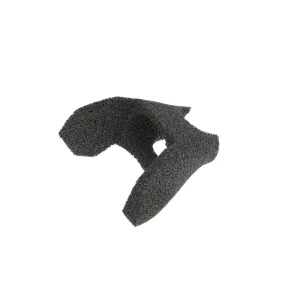
Selective Laser Melting (SLM) enables open-cell porous titanium lattice structures mimicking human cancellous trabeculae (600–800 μm pore size, 70% porosity). Porous augmentation collars surrounding the proximal nail neck encourage osseointegration and virtually eliminate migration in severe osteoporotic patients.
- Direct bone ingrowth stabilizes trochanteric fragments
- Mitigates micromotion-induced osteolysis and fibrous encapsulation
Bioresorbable Magnesium Interfacial Plugs
Developing high-purity magnesium-rare-earth alloy distal end plugs that degrade safely in vivo over 12–18 months. As the fracture consolidates, controlled degradation transfers mechanical load progressively back to natural cortical bone, eliminating long-term stress-shielding without requiring secondary hardware removal.
- Stimulates local osteoblast proliferation via Mg2+ ion release
- Automated mechanical load handoff encourages cortical thickening
Smart Telemetric Micro-Sensor Integration
Collaborating with biomedical sensor labs on micro-strain gauges embedded hermetically within the hollow nail cannulation. Powered via passive RF telemetry, these sensors communicate real-time fracture gap micromotion and union stiffness to an external clinical reader, providing definitive data for weight-bearing protocols.
- Early non-union diagnosis before radiographic visibility
- Personalized postoperative physical therapy pacing
Regulatory Assurance & Localized Registration Support
Entering international medical device markets requires ironclad documentation. ZATH partners with distributors worldwide to deliver fast, friction-free regulatory submissions.
Full Technical File & STED Submissions
We provide comprehensive Summary of Technical Documentation (STED) files configured for European CE MDR 2017/745 Class IIb, US FDA 510(k), Brazil ANVISA, and Southeast Asian ministries (TFDA, MDA, BPOM).
- ASTM F384 / F543 intramedullary test protocols
- ISO 10993 cytotoxicity, sensitization & systemic toxicity data
Authorized Legal Representation & CFS
ZATH supplies notarized and apostilled Certificates of Free Sale (CFS), ISO 13485:2016 certificates, and UDEM certification documentation to authorize distributors for national tenders and import permits.
- Letters of Authorization (LOA) for exclusive distributorships
- Bilingual technical dossiers in English, Spanish, and French
Rapid Air Cargo & Buffer Inventory
Centralized warehousing at our Beijing factory ensures guaranteed stock for standard nail sizes and emergency surgical sets. Express dispatches via DHL, FedEx, UPS, and TNT ensure destination delivery within 4 to 6 business days worldwide.
- Automated tracking and temperature-monitored air freight
- Dedicated customer service hotline (+86-10-61569104)
Frequently Asked Questions (FAQ)
Key questions addressed for hospital procurement boards, orthopedic surgeons, and international device distributors evaluating ZATH manufacturing capabilities.
What clinical advantages does the PFNA helical blade offer over dual-screw PFN systems in elderly patients?
In osteoporotic pertrochanteric fractures, traditional dual-screw PFN implants rely on reaming away substantial cancellous bone to seat two large-diameter lag screws. This drastically weakens bone purchase and can trigger the notorious "Z-effect" (lateral migration of one screw and medial migration into the acetabulum of the other).
The PFNA helical blade does not ream away cancellous bone; instead, it is driven straight across a guide wire, radially compacting and condensing cancellous bone around its helical flutes. This biomechanical compaction creates superior purchase, resists axial and rotational forces, and reduces cut-out rates to under 1.2% in clinical studies.
What raw material grades are used in ZATH femoral intramedullary nails?
All ZATH proximal femoral nails are machined from medical-grade Titanium-6Aluminum-4Vanadium Extra Low Interstitial (Ti-6Al-4V ELI) alloy conforming strictly to ASTM F136 and ISO 5832-3 standards.
Compared to conventional 316L stainless steel, Ti-6Al-4V ELI provides significantly higher fatigue strength, superior corrosion resistance, artifact reduction during postoperative MRI/CT scans, and an elastic modulus closer to that of human cortical bone, which minimizes adverse stress-shielding effects.
How does ZATH ensure targeting accuracy with the proximal aiming instrumentation?
Targeting frame misalignment is the primary cause of intraoperative frustration. ZATH solves this through rigid radiolucent carbon-fiber targeting arms reinforced with aeronautical titanium mounting collars.
Every production lot undergoes 100% CMM (Coordinate Measuring Machine) verification to guarantee that the proximal guide sleeve perfectly aligns the helical blade or lag screw with the nail aperture within a tolerance of ±0.05 mm, even when the frame is subjected to intraoperative torsional stress.
Can ZATH accommodate OEM and ODM customization for distributor brand identity?
Yes. With over 100 senior engineers and our in-house Beijing machining facility, ZATH is an OEM/ODM provider for prominent orthopedics brands across Europe, Asia, and the Americas.
Customization capabilities include custom laser etching of your brand logo and lot numbers, customized color-coded anodization, localized instrument tray layout configurations, and bespoke sterile Tyvek blister and carton packaging compliant with your local health authority’s labeling laws.
What are typical production lead times and international shipping terms?
For standard catalog configurations of PFN/PFNA nails, interlocking screws, and instrument sets, ZATH maintains consistent buffer stock in our Beijing warehouse, enabling dispatch within 48 to 72 hours.
Large OEM orders or custom modified dimensions typically require 3 to 5 weeks from technical drawing sign-off. Express international shipments are handled via DHL, FedEx, TNT, UPS, or direct air cargo, arriving at global international hubs within 4 to 6 business days.
How does ZATH support clinical training for surgical teams using your PFN systems?
We provide distributors with comprehensive surgical technique manuals (STMs), step-by-step 3D animation operative videos, sawbone model demonstration sets, and live video wet-lab sessions led by our senior clinical engineers.
In addition, our biomedical specialists can be deployed to partner regions to conduct instrument assembly workshops and assist local clinical product specialists during their initial hospital rollout.
More Solutions from Our Orthopedic Platforms
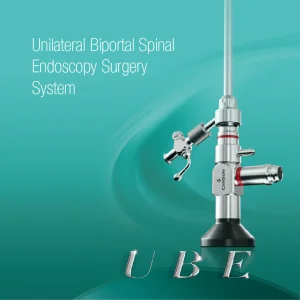
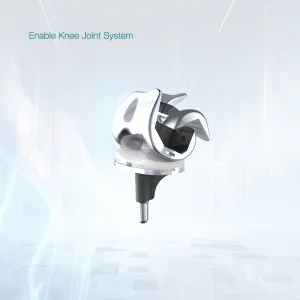
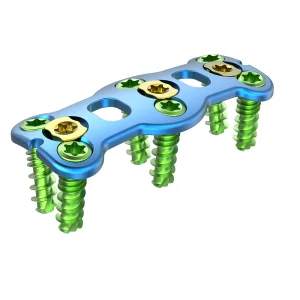
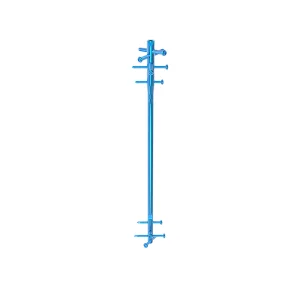
Explore ZATH's specialized spine, sports medicine, joint replacement, and trauma platforms, all engineered under ISO 13485:2016 governance and ready for global hospital distribution.
Direct Source from Beijing ZhongAnTaiHua Technology Co., Ltd. (ZATH)
Building 6, No. 39 Pinghe Street, Xinggu A Area, Pinggu Park, Zhongguancun Science and Technology Park, Pinggu District, Beijing, China. Connect with our engineering and regulatory affairs department to request comprehensive PFN CAD drawings, sterile validation reports, and distributor margin pricing.