
Specialized Fracture Fixation & Orthopedic Platforms
Precision-machined implants manufactured in ISO 13485 cleanroom facilities, engineered to pair seamlessly with distal radius reconstruction and global hospital tender specifications.
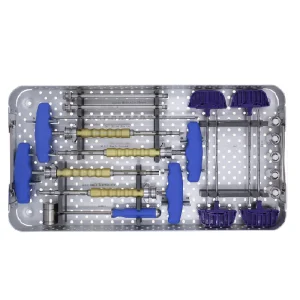
Cheap Spine Instrument Set (Zenith HE Instrument Set) Suppliers, Quotes
View Specifications
Best Titanium Alloy Orthopedic Bone Pin Factories, Company
View Specifications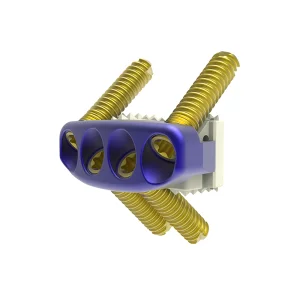
Buy ZP Cervical Cage Manufacturer CE FSC ISO Insured Supplier Exporter, Company
View Specifications
OEM Zath Sports Medicine Orthopedic Suture Anchor Implant Company, Service
View Specifications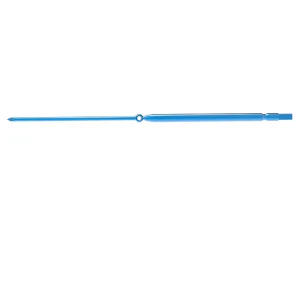
Discount Orthopedic Implants Titanium Alloy Material Patella Pin Suppliers, Exporters
View Specifications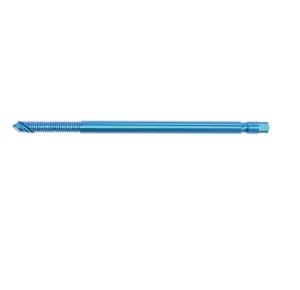
Cheap Titanium Alloy Pin for Orthopedic External Fixation Pricelist, Exporter
View Specifications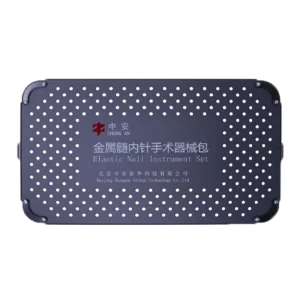
CE Certification Elastic Nail Instrument Set (ZEIN) Supplier, Factories
View Specifications
China High Quality Pelvic Reconstruction Plate Instrument Set Factories, Exporters
View SpecificationsThe Paradigm Shift in Volar Plating: Beyond the Medartis Standard
Distal radius fracture fixation has undergone a profound surgical revolution over the past two decades. Swiss engineering benchmarks set by Medartis APTUS systems proved that anatomical low-profile designs prevent soft-tissue impingement while stabilizing complex intra-articular comminution. Modern manufacturing leaders now match and enhance these biomechanical thresholds.
Anatomical Watershed Line Respect
Early-generation volar T-plates suffered from elevated distal profiles that frequently led to flexor pollicis longus (FPL) tendon ruptures. Modern Medartis-style plates strictly honor Soong Grade 0 placement criteria, featuring rounded distal margins and champfered borders that nestle deep within the pronator quadratus fossa, eliminating post-operative tendinitis.
Multidirectional Angle Locking (±15°)
Fixed-angle locking screws often struggle to capture variable styloid fragments or isolated lunate facet fractures. State-of-the-art titanium volar plate systems employ smart multidirectional thread geometries, giving the orthopedic surgeon up to 30 degrees of conical freedom per hole to specifically buttress subchondral bone without penetrating the radiocarpal joint.
Grade 23 Ti-6Al-4V ELI Fatigue Life
Implant fatigue under cyclic wrist movement is a known failure mode in osteoporotic bone. By specifying high-purity medical-grade Extra Low Interstitial (ELI) titanium alloy treated with Type II hard anodization, leading contract manufacturers deliver superior notch-toughness and minimize metal debris shedding during repetitive locking cycles.
Engineering Comparison: Medartis Benchmark vs. OEM Turnkey Systems
Procurement directors and hospital value analysis committees (VAC) need clear technical transparency. Here is how advanced OEM distal radius systems compare directly with top-tier Swiss implants across biomechanical and economic vectors.
| Evaluation Parameter | Medartis APTUS Wrist 2.5 | ZATH High-Precision Volar Solution | Clinical & Sourcing Advantage |
|---|---|---|---|
| Raw Material Specification | Pure Titanium / Ti-Al-Nb alloy | Ti-6Al-4V ELI (ASTM F136 / ISO 5832-3) | High Tensile & Yield Strength |
| Locking Mechanism | Spherical Threaded Locking (TriLock) | Dual-Lead Conical SmartLock (±15°) | Equal cross-threading prevention; lower inventory skus |
| Watershed Profile | Tapered distal tip, anatomical bend | Anatomical pre-contoured 1.6mm tapered lip | Minimizes FPL tendon attrition |
| Surface Passivation | Electrochemical Polished Anodized | Type II Hard Anodization + Micro-blasting | Drastically lowers cold-welding risk during screw extraction |
| Packaging Options | Non-sterile trays / Selective sterile | 100% Validated Cleanroom Sterile Blister Pack | Reduces OR prep cycle time; lowers nosocomial risk |
| B2B Unit Economics | Premium Swiss OEM pricing model | Direct Manufacturer Scaled TCO (40-60% Savings) | Optimal DRG Reimbursement Margin |
Macro Solutions: Tackling DRG Caps and Supply Chain Fragility
Hospital networks across Europe, Latin America, the Middle East, and Asia face relentless margin pressure under prospective Diagnosis-Related Group (DRG) pricing. Volar plate sourcing can no longer rely solely on legacy Western cartels when tier-one contract manufacturers offer equal metallurgical precision with far greater agility.
Inventory Rationalization
Traditional trauma trays carry hundreds of rarely used skus. Forward-thinking suppliers design consolidated distal radius kits containing 4-hole to 7-hole left and right plates, variable-angle cortical and locking screws in a single modular graphic case, reducing hospital sterilization overhead by up to 35%.
Sterile-Packed Safety Protocols
Post-pandemic sterile supply mandates have forced OR managers to shift away from flash-autoclaving hospital-owned kits. Supplying every volar distal radius plate in double-barrier Tyvek blister packs guarantees sterility at point of care and provides peel-off UDI barcodes for instant electronic health record (EHR) logging.
Agile Tender Responsiveness
Large municipal and national healthcare tenders require rapid delivery commitments. By maintaining large buffer stocks of raw bar stock and finished sterile units, integrated manufacturers like ZATH ensure critical consignments ship within 4 to 6 business days via global couriers (DHL, FedEx, UPS).
Private Labeling (OEM/ODM)
Regional distributors looking to build proprietary equity can leverage full contract engineering services. From custom screw self-tapping flute angles to proprietary laser branding, color anodization, and country-specific packaging, manufacturers provide turn-key private label programs.
Regulatory Compliance: ISO 13485, CE MDR, and Biocompatibility
Global market access requires bulletproof documentation. Procuring volar plates demands full traceability from raw vacuum-melted titanium ingots down to final gamma irradiation dosimeters.
ISO 13485:2016 Certified QMS
Complete traceability is maintained for every CNC batch. Comprehensive Device Master Records (DMR) and Device History Records (DHR) are archived for a minimum of 15 years, allowing distributors to swiftly satisfy random national health authority audits.
Biocompatibility & Cleanliness Validation
Every plate and screw complies with ISO 10993 cytotoxicity, sensitization, and genotoxicity criteria. In-line ultrasonic 7-stage automated degreasing stations eliminate hydrocarbon residue before cleanroom packaging in accordance with ISO 14644-1 Class 10,000 protocols.
Free Sale Certificates (FSC) & Dossiers
Fast-track your local Ministry of Health (MOH) registration with fully pre-compiled Technical Files conforming to EU MDR (EU 2017/745) Class IIb and FDA 510(k) formats. Notarized Apostille Free Sale Certificates are supplied on demand.
Technology Roadmap: 3D Printing, Resorbable Alloys & Smart Telemetry
What does the future of distal radius osteosynthesis look like beyond 2026? Advanced medical engineering is moving rapidly from rigid metal implants toward bioactive and data-driven reconstructive systems.
Electron Beam Melting (EBM) Porous Lattice
Direct metal 3D printing enables subchondral trabecular titanium mesh integration into the distal plate undersurface. This accelerates bone ingrowth in severe osteoporosis, reducing secondary articular subsidence without bulky hardware.
Bioresorbable Magnesium-Zinc Screws
Secondary surgery for painful implant removal remains an issue with metallic hardware. Emerging bio-degradable magnesium alloys (Mg-Zn-Ca) maintain mechanical load capacity during the critical 12-week union phase, then progressively absorb safely.
Micro-Strain RFID Sensor Plates
Research prototype plates feature embedded passive telemetry microchips that detect micro-strain fluctuations. Surgeons can non-invasively track fracture callus stiffening via an external handheld wand, optimizing rehabilitation timelines.
Comprehensive Trauma, Arthroplasty & Soft-Tissue Solutions
In addition to distal radius trauma plates, our manufacturing ecosystem produces full-spectrum fracture systems, intramedullary nails, and hip/knee joint prostheses for hospital tender packages worldwide.
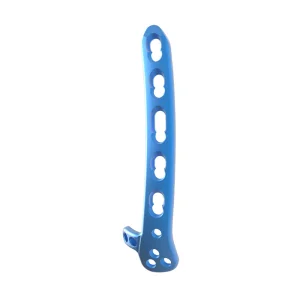
ODM Distal Posterolateral Humerus Locking Compression Plate
View Specifications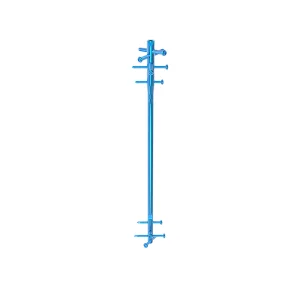
CE Certification Customized Expert Tibia Intramedullary Nail
View Specifications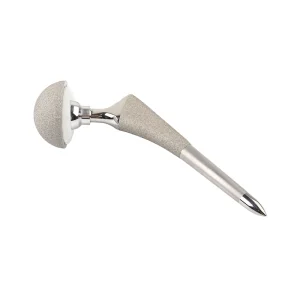
Famous FDS Cementless Stem Hip Joint Prosthesis
View Specifications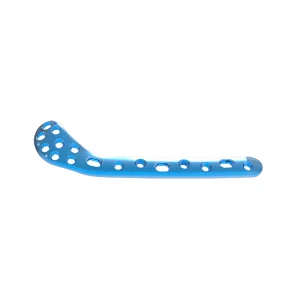
Discount Distal Medial Femur Locking Compression Plate
View Specifications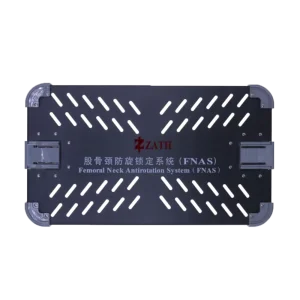
Famous Femoral Neck Antirotation System (FNAS Set)
View Specifications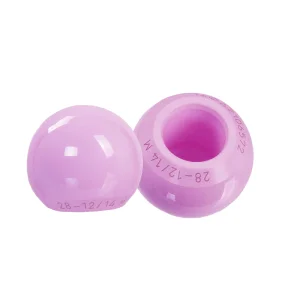
Buy Ceramic CDH Femoral Head Implant Hip
View Specifications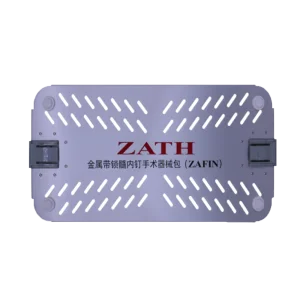
Buy Bone Surgery ZAFIN Femoral Nail Instrument Set
View Specifications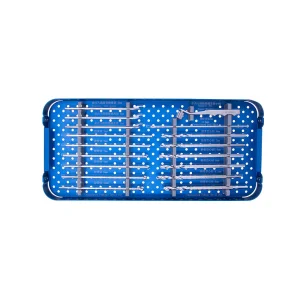
Buy ACL/PCL Reconstruction Instrument Set
View SpecificationsFrequently Asked Questions: Volar Plate Sourcing & Manufacturing
Get authoritative answers on biomechanics, Medartis cross-compatibility, sterile packaging validations, and OEM distributor partnerships from our senior engineering team.
How does the variable-angle locking mechanism prevent cold-welding and stripping during screw extraction?
Can your instruments and volar plates cross-function with legacy Medartis or DePuy Synthes trays?
What clinical anatomical features are incorporated to prevent Flexor Pollicis Longus (FPL) tendon rupture?
What are the Minimum Order Quantities (MOQ) and lead times for OEM private-label branding?
Are test coupons and Certificate of Analysis (CoA) provided for raw titanium mill heats?
Partner with an ISO 13485 Certified Orthopedic Manufacturer
Whether you require standard CE-certified trauma inventory for urgent hospital delivery or seek a dedicated contract manufacturer to produce proprietary distal radius volar systems, our engineers and regulatory specialists are ready to support your market growth.