Primary Platform Showcase (Tier I)
Flagship Orthopedic Implant Series
Sterile-packaged distal tibia locking systems, trauma fixation devices, joint reconstruction sets, and high-tensile sports medicine assemblies engineered under strict ISO 13485 quality control.
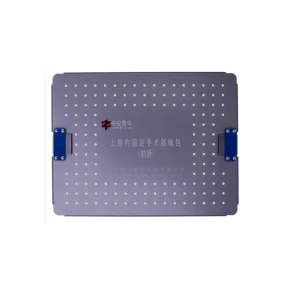
High-Quality CE Approved Traume Rib Locking Plate Instrument Set Quotes, Product
Request Quotation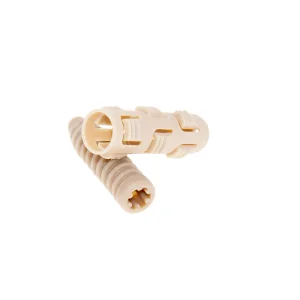
OEM Zath Sports Medicine Orthopedic Suture Anchor Implant Company, Service
Custom OEM Orders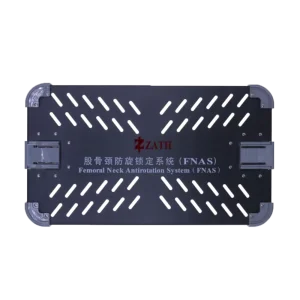
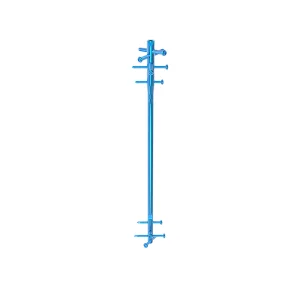
Famous Femoral Neck Antirotation System (FNAS Instrument Set) Supplier, Products
Instrument Catalogs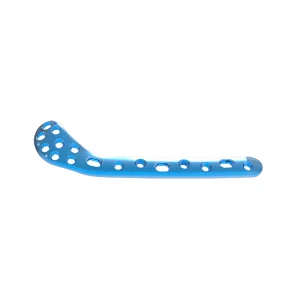
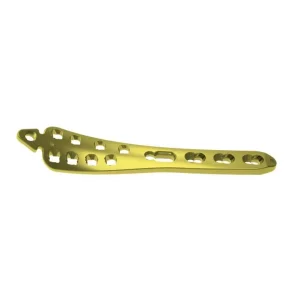
Discount Distal Medial Femur Locking Compression Plate Pricelist, Products
Review Pricelist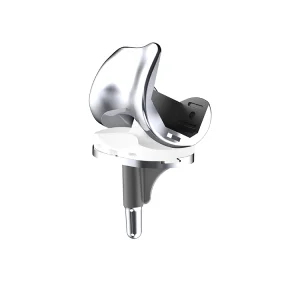
ODM Orthopedic titanium knee joint replacement prosthesis Exporters, Service
Arthroplasty Specs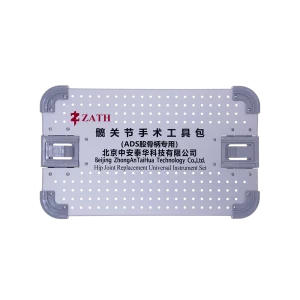
Famous Surgical use ADS Total Hip Joint Replacement Instrument Set Suppliers, Quotes
Tender Inquiries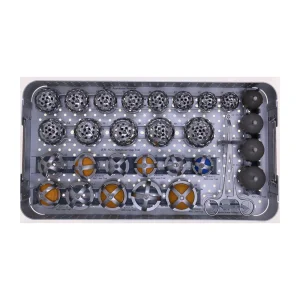
High-Quality Hip Joint Replacement Universal Instrument Set (Acetabular Part) Exporter, Products
Universal Toolsets6.8%
Global Trauma CAGR (2024-2032)
43-C
High-Energy Pilon Dominance
100%
ISO 13485 Lot Traceability
<0.02mm
Multi-Axis CNC Tolerance
Global Market Architecture
The Industrial & Clinical Landscape of Distal Tibia Plate Systems
Distal tibial fractures represent one of the most challenging segments in internal fixation trauma surgery due to minimal soft-tissue coverage, delicate vascular supply, and severe periarticular comminution.
Rising Epidemiological Trauma Load
Distal tibia fractures account for approximately 7% to 10% of all lower extremity fractures. High-energy trauma—resulting from vehicular accidents, falls from height, and industrial impacts—drives acute demand for intra-articular pilon reconstruction (AO/OTA 43-B and 43-C). Concurrently, an aging global demographic experiences low-energy osteoporotic metaphyseal fractures, requiring angular-stable locking plates that maintain purchase in compromised cancellous bone.
Soft Tissue Envelope Preservation
Traditional open reduction and internal fixation (ORIF) on the distal medial tibia historically exhibited complication rates up to 30%, including skin necrosis, surgical site infection (SSI), and nonunion. Modern industrial designs emphasize low-profile, scalloped borders and bullet-nosed distal tips that enable Minimally Invasive Percutaneous Osteosynthesis (MIPO). Modern distal tibia plates bridge comminuted segments while keeping periosteal blood flow intact.
Commercial Shift Toward Decentralized OEM
Global healthcare procurement boards are actively mitigating inflationary pressures by bypassing tier-one multinational conglomerates. Direct engagement with certified Chinese OEM/ODM manufacturing leaders like Beijing ZhongAnTaiHua Technology Co., Ltd. (ZATH) provides hospital groups with cost reductions of 40-60% without compromising structural biomechanics, titanium purity, or regulatory documentation.
Industrial Leadership
Engineered in Beijing: The Chinese Smart Factory Advantage
From the high-tech hub of Zhongguancun Science and Technology Park, ZATH operates an automated, vertically integrated production ecosystem delivering surgical implants with micron-level fidelity.
Multi-Axis Swiss CNC Machining
Equipped with 5-axis and simultaneous turn-mill Swiss CNC centers, ZATH crafts complex anatomically pre-contoured plates and variable-angle screw locking threads in single-setup operations. This eliminates re-clamping deviations, maintaining tolerance limits below ±0.015 mm.
Medical-Grade Raw Materials
We source high-purity medical-grade Titanium Grade 5 (Ti-6Al-4V ELI conforming to ASTM F136 / ISO 5832-3) and pure Ti Grade 3/4 (ASTM F67). Raw bar stock is rigorously verified via ultrasonic defectoscopy and spectrographic mass spectrometry before entering machining cells.
Integrated Surface Anodization
Proprietary Type II electrochemical surface anodization produces a uniform, fatigue-resistant oxide layer. This passivation mitigates micro-motion fretting corrosion between the plate hole and the screw head, reduces soft-tissue adhesion, and enhances long-term fatigue life.
Cleanroom Terminal Sterilization
Implant lines are cleaned via multi-stage automated ultrasonic degreasing, assembled within Class 10,000 (ISO Class 7) cleanrooms, and sealed in double-barrier Tyvek blister packs ready for ethylene oxide (EO) or gamma irradiation, ensuring ready-to-use sterility for hospital ORs.
| Biomechanical / Material Parameter | Ti-6Al-4V ELI (ZATH Distal Tibia Plates) | 316L Stainless Steel (Conventional) | Clinical / Procurement Significance |
|---|---|---|---|
| Elastic Modulus (Young's Modulus) | ~110 - 114 GPa Optimal Load Sharing | ~200 - 210 GPa (Extremely Stiff) | Closer to cortical bone (18-20 GPa), minimizing stress shielding, osteopenia, and secondary refractures. |
| Tensile Strength (Yield) | ≥ 860 MPa | ≥ 690 MPa | Greater resistance to permanent bending deformation during full weight-bearing rehabilitation. |
| Fatigue Endurance Limit (10^7 Cycles) | ≥ 500 - 600 MPa | ~250 - 320 MPa | Prevents premature plate breakage in delayed union or severe comminuted non-bridging gaps. |
| MRI / CT Compatibility | Non-ferromagnetic, low artifact distortion | Significant ferromagnetic scatter | Permits clear postoperative imaging of joint alignment, cartilage healing, and syndesmotic stability. |
| Biocompatibility & Corrosion Rate | Dense TiO2 self-healing passive film | Subject to pitting & crevice corrosion | Significantly reduces systemic metallosis, foreign-body tissue reaction, and mandatory plate removal surgery. |
Surgical Applications
Clinical Indications & Anatomical Plate Topologies
No single implant geometry addresses the diverse spectrum of ankle trauma. Modern fracture management demands anatomical plates specifically engineered for distinct fracture patterns.
Distal Medial Tibia Locking Plate
Designed to seat over the subcutaneous border of the medial malleolus, featuring an anatomical contour matching the distal tibial flare. Multiple converging and diverging distal locking screws provide a fixed-angle subchondral scaffold, supporting the articular plafond in AO/OTA 43-A (extra-articular) and select 43-C fractures. Its low-profile distal thickness (down to 1.5 - 2.0 mm) prevents skin impingement.
Distal Anterolateral Tibia Plate
Positioned along the anterolateral surface of the tibia, this construct provides strong buttressing against valgus collapse and anterior comminution. Crucially, the distal screws target Chaput's tubercle and angle posterior-medially, securing the anterior syndesmotic ligament insertion and stabilizing the syndesmosis without protruding into the incisura tibialis or ankle joint space.
Posterior & Posterolateral Pilon Plates
Tailored for Volkmann fragment fixation in trimalleolar fractures and high-velocity pilon injuries with posterior column displacement. Acting as an anti-glide buttress plate, it achieves stable rigid fixation that prevents posterior subluxation of the talus, enabling immediate passive motion of the tibiotalar joint and minimizing post-traumatic osteoarthritis.
Surgical Strategy: Minimally Invasive Percutaneous Osteosynthesis (MIPO)
When executing distal tibia osteosynthesis, preserving periosteal microcirculation is critical to avoiding avascular necrosis. Using the MIPO approach, surgeons introduce the pre-shaped plate through a small 2-3 cm incision proximal to the medial malleolus or anterolateral ankle, tunneling submuscularly or epiperiosteally across the fracture zone.
ZATH distal tibia plates feature beveled tapered ends that slide cleanly beneath soft tissue envelopes without shearing the periosteum. Once aligned under fluoroscopy, self-tapping locking screws are placed through percutaneous stab incisions using our dedicated radiolucent carbon-fiber targeting guide aiming arms.
Technological Frontiers
Emerging Horizons in Orthopedic Trauma Metallurgy
The market for distal tibia plates is transitioning beyond static designs toward intelligent variable-angle locking geometries, bioactive surface treatments, and pre-sterilized procedure kits.
Polyaxial / Variable-Angle (VA) Locking
Traditional monoaxial locking screws limit fixation to predefined trajectories. Next-generation VA locking holes allow the surgeon to angulate screws within a 30° cone (±15° off-axis). This proves invaluable in complex intra-articular fractures, allowing trajectory adjustment to avoid existing implants, capture small comminuted articular fragments, or span bone defects without compromising locking mechanism integrity.
Additive 3D Printing & Porous Trabecular Structuring
Selective Laser Melting (SLM) technology enables the fabrication of titanium bone plates with porous trabecular contact pads. By mimicking human cancellous bone pore size (300-500 μm) and porosity (60-70%), these zones promote rapid vascularization and bone ingrowth at critical metaphyseal junctions while reducing mechanical stiffness to mitigate peri-implant stress risers.
Pre-Sterilized Single-Use Procedure Kits
Hospitals and Ambulatory Surgery Centers (ASCs) increasingly demand sterile single-procedure kits containing a specific plate, corresponding screws, k-wires, and disposable drill bits. This model reduces hospital central sterile supply department (CSSD) processing overhead, completely prevents cross-contamination, and eliminates lost instrument charges.
Procurement Diligence
B2B Sourcing Protocol: How to Qualify Distal Tibia Plate Suppliers
Procuring orthopedic trauma implants for hospital tenders or national distributorships requires comprehensive verification across regulatory compliance, metallurgy, and manufacturing continuity.
1. Regulatory Accreditations & Technical Files
Distributors must verify that the factory holds an authentic ISO 13485:2016 certificate issued by a reputable notified body (e.g., TÜV SÜD, BSI, UDEM). Ensure the supplier maintains comprehensive Device Master Files (DMF), complete ISO 10993 biocompatibility testing, sterile packaging shelf-life validations (ASTM F1980), and valid Free Sale Certificates (FSC) to facilitate seamless Ministry of Health registrations.
2. ASTM F382 Biomechanical Fatigue Validation
Before signing volume purchase agreements, request standardized ASTM F382 (Standard Specification and Test Method for Metallic Bone Plates) four-point bending and dynamic fatigue test reports. A qualified distal tibia plate must withstand a minimum of 1,000,000 to 5,000,000 continuous cyclical loading runs without structural fatigue crack initiation under simulated physiological weight.
3. Full System Instrument Compatibility
A bone plate is only as effective as its insertion tooling. Sourcing partners must ensure the factory provides precision-crafted surgical instrument sets: quick-coupling AO handles, cannulated torque-limiting screwdrivers (1.5 Nm - 2.5 Nm), hardened drill guides, depth gauges, and reduction forceps manufactured from hardened surgical stainless steel (17-4PH / 420F).
Procurement & Clinical Q&A
Frequently Asked Questions: Distal Tibia Plate Systems
Expert insights addressing the operational, metallurgical, and commercial inquiries most frequently raised by international hospital supply executives and orthopedic distributors.
What distinguishes an anatomical distal tibia locking plate from a standard straight reconstruction plate?
Anatomical distal tibia plates are pre-bent and pre-twisted using computer-aided morphological data derived from thousands of CT scans of human tibiae. They precisely conform to the complex medial or anterolateral distal tibial contours, eliminating the need for intraoperative manual contouring. This preserves the structural fatigue strength of the plate, reduces operation time, prevents asymmetric tension against the periosteum, and ensures subchondral locking screws cross directly parallel to the ankle joint line for optimal articular support.
Why is Titanium Alloy (Ti-6Al-4V ELI) strongly favored over Stainless Steel in distal tibial trauma?
The distal tibia has an exceptionally thin subcutaneous soft tissue envelope with high risk of wound breakdown. Ti-6Al-4V ELI exhibits superior biocompatibility and forms a protective, non-reactive passive oxide layer. It has an elastic modulus (~110 GPa) significantly lower than stainless steel (~200 GPa), which promotes secondary bone healing through micromotion while reducing stress shielding. Furthermore, titanium exhibits superior fatigue resistance under cyclical axial gait loads and creates minimal MRI/CT artifacts during post-operative joint cartilage assessments.
What is the standard screw configuration used in distal medial tibia locking plates?
Typically, the distal cluster of a distal medial tibia plate accommodates 2.7 mm or 3.5 mm low-profile locking screws and cortex screws that raft the subchondral bone. The shaft utilizes 3.5 mm combination holes (Combi-holes), which allow surgeons to insert either conventional dynamic compression cortex screws for bone reduction and compression, or angular-stable 3.5 mm locking screws to establish a rigid internal fixator construct.
How does ZATH support international medical distributors with private labeling (OEM/ODM)?
ZATH provides turnkey OEM/ODM services for orthopedic distributors worldwide. Our capabilities encompass custom laser marking (distributor logo, unique lot QR codes, part references), dimensional adaptations for regional anatomical variations, tailored anodization color selections, customized surgical instrument tray design, and cleanroom sterile blister packaging under private label brands. We supply full technical documentation (STED / DMF), testing dossiers, and quality certifications to support your local health ministry product licensing.
What is the typical shipping turnaround time for bulk hospital and distributor orders?
Standard catalog configurations in non-sterile or sterile packaging are maintained in regular inventory at our Beijing central warehouse and can be dispatched via international express air cargo (DHL, FedEx, UPS) within 4 to 6 business days. For customized OEM/ODM production runs, toolpath programming, CNC production, anodization, cleanroom packaging, and sterilization validation are routinely executed within a reliable 4-to-6 week lead time.
Comprehensive Trauma & Arthroplasty Ecosystem (Tier II)
Associated Orthopedic Solutions & Instrument Systems
Complete your clinical portfolio with our synchronized orthopedic traumatology assemblies, proximal plates, spinal cages, intramedullary nails, and sports medicine repair devices.
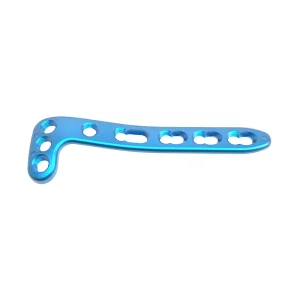
Best Proximal Medial Tibia Locking Compression Plate I Pricelist, Product
Check Catalog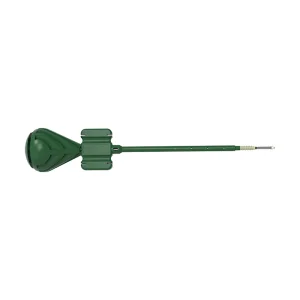
Wholesale SuperFix P Knotless Suture Anchor Manufacturer, Suppliers
Anchor Specs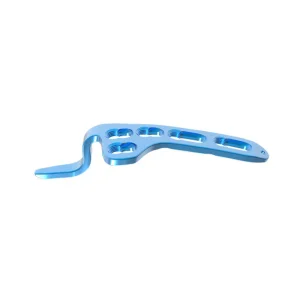
Buy Clavicle Hook Locking Compression Plate Manufacturer, Supplier
Clavicle Plates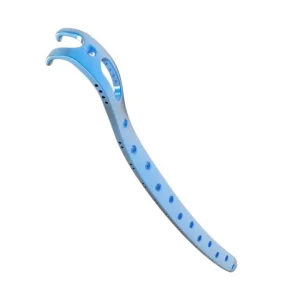
ODM Proximal Femur Locking Plate III Manufacturer, Suppliers
Femoral Plates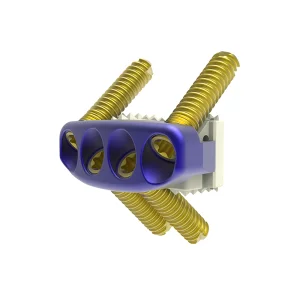
Buy ZP Cervical Cage Manufacturer CE FSC ISO Insured Supplier Exporter, Company
Spine Implants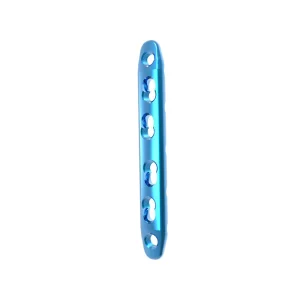
China Humerus Limited Contact Locking Compression Plate Manufacturer, Service
Upper Limb Series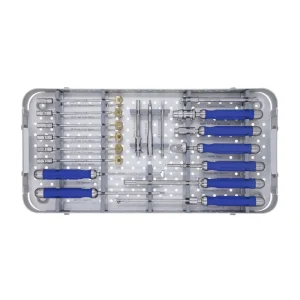
Famous Cervical Fusion Cage Instrument Set Exporters, Service
Spinal Instruments