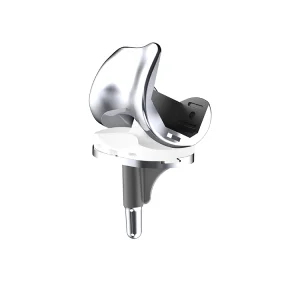
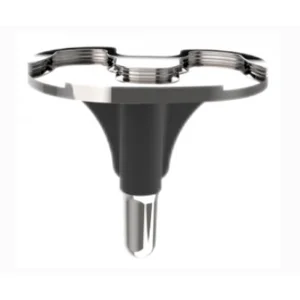
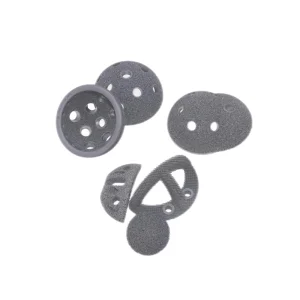
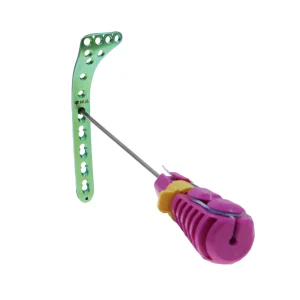
Flagship Humerus & Extremity Fixation Systems
Direct factory configurations engineered from implant-grade Titanium Ti-6Al-4V ELI (ASTM F136) and 316L VM Stainless Steel, available sterile-packed with full batch traceability for international hospital tenders.
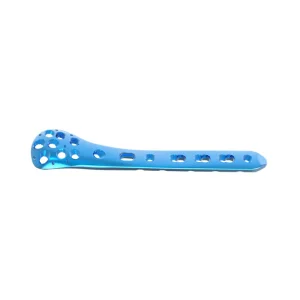
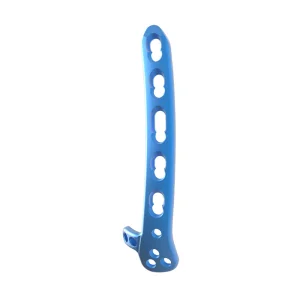
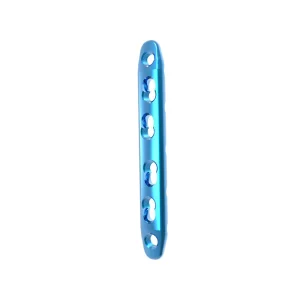
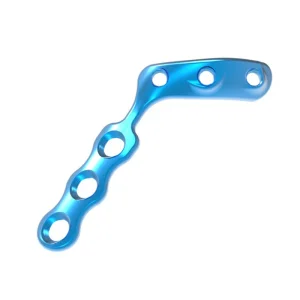
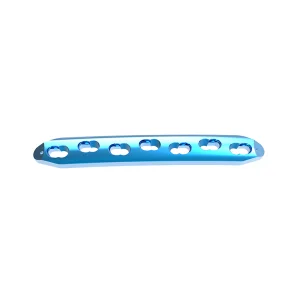
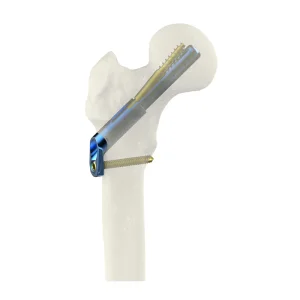
Demystifying "Cheap" in Orthopedic Trauma Sourcing: Unit Cost vs. Total Cost of Care (TCO)
In modern trauma implant procurement, searching for "cheap humerus bone plate exporters & companies" is no longer an exercise in purchasing substandard hardware. Instead, hospital directors, tender committees, and tier-1 distributors are executing high-efficiency sourcing strategies aimed at reducing systemic healthcare overheads.
Eradicating Revision Surgery Overhead
A sub-optimally manufactured humerus plate that suffers screw-head cross-threading, cold welding, or premature peri-implant fatigue failure can elevate the Total Cost of Care by over 800% due to emergency revisions. Certified Chinese exporters prioritize metallurgical purity (vacuum arc remelted Ti-6Al-4V ELI) to guarantee yield strength above 860 MPa, mitigating biomechanical failure in complex comminuted osteotomies.
Turnkey OR Readiness & Sterilization
Substantial distributor margins are lost in autoclave logistics, wrapping repairs, and hospital re-sterilization delays. By offering terminal ISO 11137 gamma/EO sterile barrier packaging with double blister Tyvek seals, elite manufacturers deliver off-the-shelf readiness. This operational streamline cuts hospital turnaround time by 45 minutes per surgical case.
Integrated Instrumentation Synergies
A low-cost plate becomes unusable if matching drills, guide sleeves, and torque-limiting drivers wear prematurely. Leading exporters supply fully matched, ergonomic surgical instrument kits machined from surgical-grade 17-4 PH stainless steel with DLC (Diamond-Like Carbon) coatings, ensuring that torque tolerances remain stable through hundreds of autoclave cycles.
Comprehensive Anatomical Solutions for Humerus Pathologies
Humeral osteosynthesis presents distinct biomechanical hurdles across its three anatomical segments: proximal, diaphysis (shaft), and distal articulation. Engineering cost-effective trauma hardware demands deep anatomical fidelity to address AO/OTA Classification Types 11, 12, and 13 fractures.
Proximal Humerus (AO 11-A/B/C)
Characterized by 2-, 3-, and 4-part Neer fractures, often exacerbated by osteoporotic bone loss in geriatric demographics. Fixation solutions feature anatomical pre-contoured plates with divergent/convergent locking screws that target subchondral bone without joint penetration. Dedicated calcar screw holes restore medial column stability, preventing secondary varus collapse and humeral head avascular necrosis (AVN).
Humeral Shaft (AO 12-A/B/C)
Midshaft fractures present high torsional loads and elevated risk of radial nerve entrapment. Modern Limited Contact Locking Compression Plates (LC-LCP) utilize undersurface scallops that reduce periosteal contact by up to 60%, maintaining biological vascular supply. Dynamic combination holes allow compression plating via the LC-DCP principle or pure biological bridge plating in comminuted patterns.
Distal Humerus (AO 13-A/B/C)
Intra-articular coronal shear and bicolumnar fractures demand rigorous 90-90 or parallel distal plating. High-yield posterolateral and medial column locking plates feature ultra-low profile tapered distal tips that prevent soft tissue impingement around the olecranon fossa while anchoring multiple subchondral screws into the trochlea and capitellum.
| Anatomical Segment | Common AO Classification | Key Engineering Requirements | Material Specification | Clinical Objective |
|---|---|---|---|---|
| Proximal Humerus | 11-A1 to 11-C3 (Neer 2-4 Part) | Multi-planar head screws, suture eyelets, calcar kickers | Ti-6Al-4V ELI (ASTM F136) | Prevent varus collapse; sustain medial calcar support |
| Humeral Diaphysis | 12-A1 to 12-C3 (Spiral, Transverse) | Limited periosteal contact grooves, combo-holes | Ti-6Al-4V / 316L VM (ISO 5832-1) | Neutralize torsional stress; preserve periosteal blood flow |
| Distal Columns | 13-A1 to 13-C3 (Supracondylar) | Pre-shaped parallel/perpendicular low-profile contour | Ti-6Al-4V ELI Type II Anodized | Anatomical articular reconstruction; immediate mobilization |
China Factory 4.0: Why Direct Sourcing Unlocks Unbeatable Cost-Quality Ratios
Western implant multinationals often maintain gross margins exceeding 80%, inflated by massive direct sales forces and legacy overheads. Chinese manufacturing clusters—exemplified by ISO 13485 facilities in Beijing and regional high-tech corridors—deploy Industry 4.0 automation to deliver identical metallurgical and geometrical accuracy at 30% to 50% of the landed procurement cost.
5-Axis Swiss Machining
High-speed DMG MORI and Star multi-axis CNC lathe centers complete complex contoured plates and variable-angle thread milling in single-setup operations, driving dimensional tolerances within ±0.005mm and eliminating secondary fixture errors.
Automated Surface Finishing
Electrolytic deburring and robotic centrifugal disc finishing remove micro-burrs within screw locking threads. Subsequent Type II anodization densifies the outer titanium dioxide layer, increasing fatigue life and drastically lowering incidence of cold welding.
Cleanroom Class 100,000
Validated cleanroom environments guarantee non-pyrogenic cleanliness. Every humerus plate undergoes validated ultrasonic cleaning stages with pure RO water cascades to ensure bioburden levels comply with stringent ISO 11737 requirements.
Raw Material Sovereignty
Direct long-term procurement alliances with premier national aerospace-grade titanium ingot suppliers insulate production lines against global raw material price spikes, guaranteeing fixed distributor price agreements over multi-year tender cycles.
Next-Generation Humerus Plate Technologies: The Horizon Beyond Standard LCP
Pioneering Chinese orthopedic manufacturers are executing rigorous R&D pipelines to advance osteosynthesis from simple rigid mechanical splints to biologically active, patient-specific orthopedic platforms.
Selective Laser Melting (SLM) Trabecular Titanium
Direct metal 3D printing enables the integration of biomimetic porous lattices (60-70% porosity, 300-500μm pore size) on the bone-contact interface of proximal humerus plates. This architecture induces rapid osseointegration, transforming the plate into an active load-sharing structure that dramatically reduces late implant loosening in osteoporotic patients.
Carbon-Fiber-Reinforced (CFR) PEEK Plates
Titanium's elastic modulus (~110 GPa) remains higher than cortical bone (~18 GPa), creating stress shielding risks. Next-generation composite humerus plates utilizing CFR-PEEK mirror cortical bone elasticity (15-20 GPa), stimulating physiological callus formation while offering total radiolucency for unimpeded intraoperative radiographic monitoring of fracture union.
Bioactive Nano-Coatings & Bioresorbable Screws
To combat implant-associated infections (IAI), R&D trials are actively advancing silver-ion (Ag+) and antimicrobial peptide (AMP) doped anodization layers that inhibit Staphylococcus aureus biofilm formation. Furthermore, bioresorbable high-purity magnesium alloy (WE43) calcar screws are entering clinical trials to eliminate secondary implant removal surgeries.
Navigating International Medical Device Regulations: MDR, FDA & Local Registration
The chief bottleneck for medical distributors importing orthopedics is not logistics—it is regulatory clearance. Cheap exporters lacking dedicated regulatory departments leave buyers stranded with unsellable inventory. Proven manufacturing partners provide full turnkey regulatory dossiers.
Full Technical Documentation (MDR 2017/745)
Complete General Safety and Performance Requirements (GSPR) documentation, Clinical Evaluation Reports (CER) compliant with MEDDEV 2.7/1 Rev 4, and comprehensive Risk Management files compliant with ISO 14971:2019 are provided to international distributor networks.
Biocompatibility & Mechanical Testing Dossiers
Turnkey test records verifying dynamic four-point bending fatigue strength (ASTM F382) for every humerus plate footprint, axial pull-out resistance (ASTM F543) for locking and cortex screws, and complete ISO 10993 cytotoxicity, sensitization, systemic toxicity, and genotoxicity validation.
Targeted Regional Support (MOH / SFDA / ANVISA)
Bespoke technical dossier translations, certified Certificates of Free Sale (CFS/FSC) issued by the national competent authority, apostilled documentation, and factory on-site audit hosting for regional Ministry of Health regulatory inspectors.
The Strategic Sourcing Matrix for Healthcare Distributors & Hospital Groups
Procurement directors navigating global bids require structured criteria to evaluate manufacturing partners. Below is the operational evaluation framework used by high-volume orthopedic distributors to minimize supply-chain risk.
Flexible Low-MOQ Onboarding
Mitigate cash-flow lockup during local clinical trials. Partnering factories allow tiered minimum order quantities (MOQs) for trial sets, transitioning smoothly to high-volume commercial container dispatches upon tender award.
Express Freight Consignments
Rapid regional fulfillment networks via established DHL, FedEx, and UPS air routes provide reliable delivery within 4 to 6 business days, ensuring distributors can fulfill sudden surge demands in local emergency trauma registries.
Private Label & OEM Laser Marking
Build brand equity with customized laser etching of distributor logos, unique batch lot codes, GS1-compliant 2D DataMatrix barcodes, and bespoke sterile box packaging tailored to your domestic corporate branding.
Complementary Instrument Loan Sets
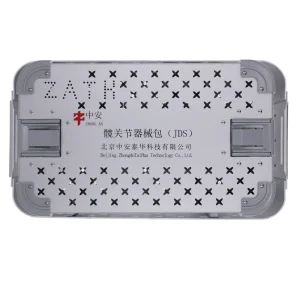
Secure turnkey surgical sets featuring precision aluminum sterilization graphic cases, customized drill bits, depth gauges, and calibrated torque limiters that interface seamlessly with humerus screw geometries.
Frequently Asked Questions for Medical Importers & Tender Committees
Critical engineering, regulatory, and supply-chain answers for medical device executives qualifying new manufacturing partners for upper extremity trauma lines.
How can humerus bone plates be priced competitively without sacrificing surgical safety or metallurgy?
What metallurgical grades are utilized for humerus plates and locking screws?
Are humerus plates supplied sterile or non-sterile?
How is cold welding prevented between titanium locking screw heads and plate holes?
Can your company assist in obtaining domestic Ministry of Health product registrations?
What are the typical lead times for custom OEM/ODM brand manufacturing?
Synergistic Arthroplasty, Sports Medicine & Revision Implants
Broaden your distribution portfolio with our high-demand joint arthroplasty, sports medicine anchors, and specialized revision systems engineered in our ISO 13485 facility.