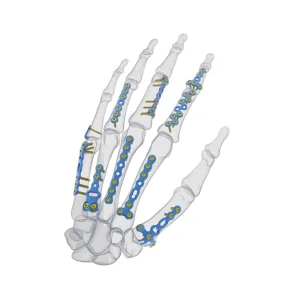
Precision Implants & Surgical Platforms
Certified orthopedic portfolio serving trauma, joint reconstruction, and sports medicine divisions across global clinical healthcare networks.
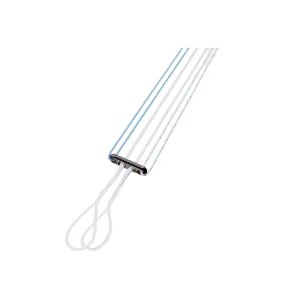
OEM SuperFix Titanium Endo Button With Loop Surgical Operations
Explore Product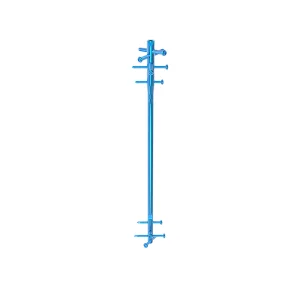
CE Certification Customized Expert Tibia Intramedullary Nail Implant
Explore Product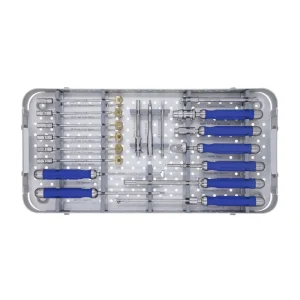
Famous Cervical Fusion Cage Instrument Set Exporters
Explore Product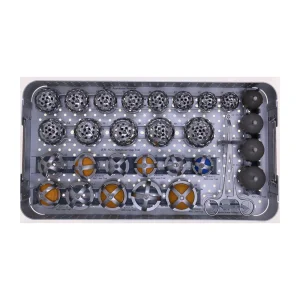
Universal Hip Joint Replacement Instrument Set (Acetabular)
Explore Product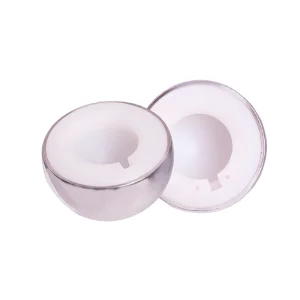
Wholesale Bipolar Acetabular Cup Hip Joint Prosthetics
Explore Product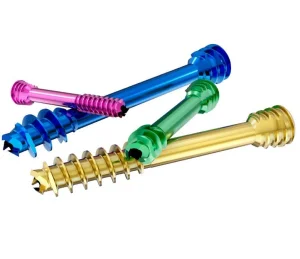
Double Threaded Cannulated Titanium Bone Screw
Explore Product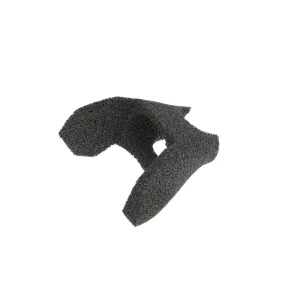
Additively Manufactured 3D Printing Knee Joint Sleeve
Explore Product
Titanium Alloy Patella Pin Trauma Fixation Implants
Explore ProductLocking Calcaneal Plate System: Clinical Foundations
Anatomical internal fixation systems engineered to solve calcaneal tuberosity collapse, subtalar joint depression, and lateral wall blowouts in complex foot trauma.
Böhler’s & Gissane Angle Restoration
Calcaneal fractures account for over 60% of all tarsal bone injuries. Our low-profile locking calcaneal plates are pre-contoured using high-density CT multiplanar reconstructions. This permits surgical restoration of the crucial tuber-joint angle (Böhler's angle: 20°–40°) and the critical angle of Gissane (120°–145°), preventing secondary post-traumatic subtalar impingement.
Subchondral Sustentaculum Tali Support
The anatomical key to stable reduction in Sanders type II, III, and IV intra-articular fractures lies in rigid fixation of the sustentaculum tali. The ZATH locking plate features converging and diverging multidirectional screw trajectories designed to capture this stable anatomical fragment beneath the articular facet, preventing post-operative loss of height.
Ultra-Low Profile Minimizes Soft Tissue Complications
Lateral hindfoot soft tissue envelope necrosis is an extensive risk in open calcaneal reduction. Engineered from pure surgical titanium Grade 3 or Ti6Al4V ELI (ASTM F136), our plates feature chamfered, rounded borders with an ultra-thin profile (1.3mm to 1.5mm) to decrease peroneal tendon irritation and promote wound closure without surgical tension.
China Factory Manufacturing Advantages for Global B2B Brands
Operating from our high-precision facility in Pinggu, Beijing, ZATH combines high-speed Swiss-type multi-axis CNC machining with integrated quality verification.
Integrated Supply Chain
From raw medical bar stock procurement with mill certificates to wire EDM, CNC turning, deburring, and passivation, our centralized Beijing infrastructure reduces cycle times by up to 35% compared to multi-vendor supply chains.
Micron-Tolerance Tolerances
Locking screw threads and plate hole interfaces require exceptional precision to eliminate cross-threading during surgical stress. Multi-axis CNC milling centers guarantee precision tolerances within ±0.005mm.
ISO 13485 & GMP Cleanrooms
All calcaneal plates, cannulated screws, and trauma systems undergo automated ultrasonic cleaning and packaging within certified Class 100,000 cleanrooms, verified by continuous bioburden analysis.
OEM/ODM White-Label Program
We supply multinational brands with customized laser engraving, customized sterile-barrier blister packaging, regional registration dossiers, and customized surgical instrument sterilization cassettes.
| Mechanical & Manufacturing Specification | ZATH Locking Calcaneal System | Standard Conventional Plates |
|---|---|---|
| Raw Material Grade | Medical Grade Pure Titanium / Ti-6Al-4V ELI (ASTM F136) | Standard Commercial Stainless Steel / Grade 2 Ti |
| Plate Profile Thickness | 1.3mm – 1.5mm Ultra-Low Profile (Tapered Edges) | 2.0mm – 2.5mm Bulky Geometry |
| Fixation Mechanism | Fixed-Angle Locking & Multidirectional Re-alignment Screws | Frictional Compression Non-Locking Screws Only |
| Cleanroom Packaging | Class 100,000 Cleanroom Pre-Sterilized Blister Pack Option | Bulk Non-Sterile Packaging |
| Manufacturing Traceability | 100% Raw Material Heat-Lot to Finished Implant Laser ID | Batch-Level Sampling Inspection |
Global Industry Trends & Macro Health Solutions
Trauma surgery is moving toward minimally invasive techniques, reduced hospital stays, and value-based care without compromising biomechanical rigidity.
Shift to Sinus Tarsi Approaches
Extensive L-shaped lateral incisions present wound breakdown rates between 10% and 25%. Modern trauma techniques demand sinus tarsi incisions. As a premier exporter, our production lines now prioritize anatomical mini-calcaneal locking plates designed specifically for insertion via small working windows, preserving lateral microvascular perfusion.
Value-Based Global Healthcare
Public healthcare systems and private hospital chains face mounting fiscal pressures. Sourcing directly from certified Chinese manufacturers allows international distributors to cut procurement costs by 40%–60% compared to Western legacy suppliers, without sacrificing tensile yield strength or biocompatibility documentation.
Customized Instrument Cassette Sets
Surgeons demand ergonomic, durable instrumentation. ZATH packages calcaneal locking solutions with complete dedicated instrument cassettes containing radiolucent retractors, calcaneal distractors, depth gauges, drill guides, and torque-limiting screwdrivers manufactured from German-grade surgical stainless steel.
Global Procurement Demands: Qualification Checklist
Essential technical requirements evaluated by tender committees, orthopedic distributors, and hospital procurement departments.
Regulatory Compliance & CFDA/CE Dossiers
Global buyers demand complete technical documentation including biocompatibility reports (ISO 10993), static/dynamic fatigue testing under ASTM F382 standards, cleaning validation protocols, and comprehensive risk evaluation summaries compliant with ISO 14971.
Supply Continuity & Rapid Replenishment
Trauma cases are unpredictable. Importers prioritize manufacturers with steady safety stocks of high-turnover screw lengths (Ø2.7mm, Ø3.5mm cortex/locking screws) and standardized plates, backed by express air transit dispatch agreements via DHL, FedEx, and UPS.
Surgical Ergonomics & Instrument Reliability
A locking system is only as reliable as its driver-screw interface. Our star-drive (Torx) and hexalobe recesses prevent stripping under cross-axial insertion torque, reducing intraoperative complications and instrument replacement cycles.
Frequently Asked Questions (FAQ)
Clear clinical, mechanical, and commercial answers for orthopedic distributors qualifying ZATH as a long-term supply partner.
What screws are compatible with ZATH locking calcaneal plates?
The system utilizes Ø3.5mm locking screws and Ø3.5mm cortex screws for fixation, with select anatomical variants offering Ø2.7mm distal subchondral screw options to support comminuted facet fragments. Self-tapping flutes ensure efficient bone purchase.
Is intraoperative bending required for these plates?
ZATH plates are anatomically pre-contoured based on calcaneal bone models to minimize manual bending. However, should unique patient morphology demand adjustment, dedicated plate benders are supplied in the instrument tray to modify arms without compromising locking hole threads.
Can ZATH assist with OEM customization and regional tenders?
Yes. We regularly supply tailored OEM/ODM solutions, including specific plate profiles, specialized screw head configurations, laser-marked distributor logos, custom packaging typography, and full technical documentation for local Ministry of Health tenders.
What is the standard lead time for international distributor shipments?
Catalog stock orders dispatch within 48 to 72 hours via international air couriers (4–6 days delivery). Customized OEM batches typically require 4 to 6 weeks, depending on tooling validation and cleanroom packaging criteria.
Full Clinical Range for Orthopedic Distribution
Sterile-packed and non-sterile configurations certified for hospitals, surgery centers, and regional health authorities.
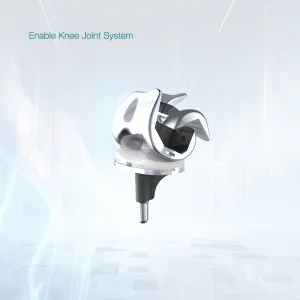
Titanium Total Knee Joint Replacement Implants System
Explore Product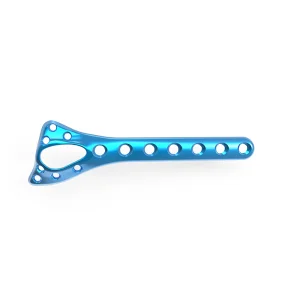
ODM DDR Locking Compression Plate System
Explore Product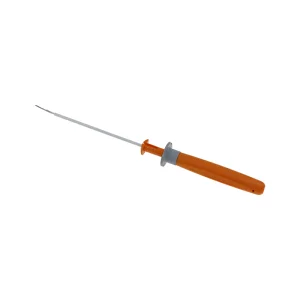
Fast All Inside Meniscal Repair Device System
Explore Product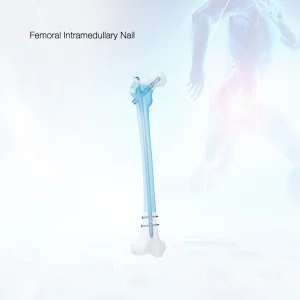
Titanium ZAFIN Intramedullary Interlocking Nail
Explore Product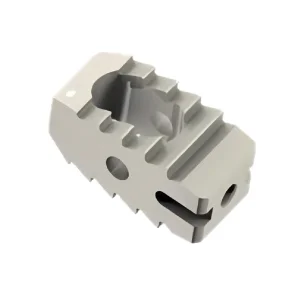
Thoracolumbar Interbody Cage (Straight PEEK)
Explore Product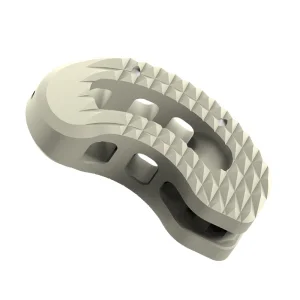
ODM Thoracolumbar Interbody Cage (Angled Anatomical)
Explore Product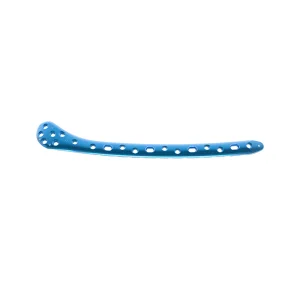
Distal Lateral Femur Locking Compression Plate I
Explore Product