
Global Orthopedic Catalog
Premier Joint, Trauma & Spinal Surgical Implants
Explore precision-machined titanium trauma implants, total joint prostheses, and surgical instrument kits deployed across tier-one orthopedic trauma theaters globally.
Ti-6Al-4V
ASTM F136 / ISO 5832-3 ELI Grade Titanium
110 GPa
Modulus of Elasticity (Minimizes Stress Shielding)
2.7 / 3.5 mm
Standardized Variable-Angle Locking Screws
100%
Coordinate Measuring Machine (CMM) Verified
Biomechanical Architecture
Clinical Engineering of Titanium Clavicle Fixation Plates
The human clavicle presents one of the most intricate double-curved subcutaneous anatomical geometries in orthopedic traumatology. Modern clavicle plating systems engineered by leading Chinese manufacturers must withstand multidirectional forces while minimizing soft-tissue irritation.
Pre-Contoured Anatomical S-Curve
The clavicle acts as a critical bony strut connecting the axial skeleton to the shoulder girdle. Fractures typically occur in the middle third (80%) or distal third (15%). Advanced Chinese manufacturers leverage multi-ethnic CT morphological datasets to mill 3D anatomical S-curves directly into titanium bars. This pre-contoured geometry drastically reduces intraoperative bending, preserving the cold-worked fatigue resistance of the titanium alloy.
Optimized Elastic Modulus
Comparing medical Grade 5 Titanium (Ti-6Al-4V ELI) against classic 316L stainless steel reveals pivotal clinical advantages. Titanium features an elastic modulus of approximately 110 GPa, closely mirroring human cortical bone (18-20 GPa) compared to stainless steel (200 GPa). This substantial reduction in stiffness mitigates stress shielding, preserves regional vascular osteogenesis, and reduces post-consolidation refracture rates following plate retrieval.
Low-Profile Chamfered Edges
Because the superior surface of the clavicle lies immediately beneath the subcutaneous platysma layer, patient complaints of plate prominence and symptomatic hardware irritation have historically exceeded 30% in surgical follow-ups. Contemporary Chinese manufacturing utilizes ultra-thin tapered plate tips (1.5mm–2.5mm) and high-tolerance rounded chamfers to ensure smooth soft-tissue draping and prevent wound dehiscence.
| Performance Parameter | Ti-6Al-4V ELI (ZATH Spec) | Grade 3 CP Titanium | 316L Medical Stainless Steel |
|---|---|---|---|
| Elastic Modulus (GPa) | 110 – 114 Optimal Load Sharing | 105 Flexible | 190 – 210 High Rigidity |
| Tensile Strength (MPa) | ≥ 860 High Dynamic Fatigue | ≥ 450 (Moderate) | ≥ 490 (Standard) |
| MRI / CT Compatibility | Paramagnetic (Minimal artifact) | Paramagnetic (Zero ferromagnetic pull) | High artifact distortion |
| Corrosion Resistance | TiO₂ Passivation Layer (Exceptional) | Native oxide passive film | Pitting/crevice risk over long implantation |
| Biocompatibility / Tissue Integration | Bone-to-implant osteoconductive | High bio-inert tolerance | Fibrous capsule formation |
Global Industrial Landscape
Chinese Factory Supply Chain Resilience & Cost-Efficiency Architecture
How China's integrated orthopedic industrial clusters combine metallurgical autonomy, robotic multi-axis CNC machining, and automated cleanroom packaging to reshape global procurement.
Shaanxi-Beijing Titanium Corridor
China possesses the world's most complete titanium metallurgical supply chain, centered around the Baoji "Titanium Valley" raw material ecosystem and high-tech manufacturing parks like Beijing Zhongguancun. By controlling sponge titanium melting, vacuum arc remelting (VAR), and precision rod rolling in-house, Chinese orthopedic manufacturers secure 100% material cert traceability from raw ingot to laser-engraved bone plate without reliance on external supply disruptions.
5-Axis Simultaneous CNC Machining
Equipped with state-of-the-art Swiss-type longitudinal lathes and DMG Mori 5-axis simultaneous milling centers, Chinese facilities achieve tolerances within ±0.005mm. Complex variable-angle locking thread configurations, dual-radius combi-holes, and undercut reconstruction slots are carved in single-pass setups. This automated precision ensures burr-free screw hole locking interfaces, eliminating cold-welding galling between screw heads and plates.
Cleanroom Sterility & Rapid Dispatch
Tier-one manufacturers operate ISO Class 7 (Class 10,000) cleanrooms for automated multi-stage ultrasonic passivation, clean water rinsing, and double sterile-barrier blister packaging. Finished sterile sets ship with Ethylene Oxide (EO) or Gamma radiation validation dosimeters. Strategically linked to international express cargo hubs (FedEx, DHL, UPS), standard emergency trauma replenishment orders clear customs and land at destination airports in 4–6 business days.
Clinical Indication Portfolio
Localized Clinical Scenarios & Anatomical Plating Configurations
From complex polytrauma high-energy vehicular accidents to athletic acromioclavicular dislocations and osteoporotic fragility fractures in aging demographics.
Midshaft Comminuted Fractures
Indicated for Robinson Type 2B and Allman Class I fractures with significant shortening (>20mm) or displacement. The superior or anteroinferior midshaft anatomical S-plate acts as a neutralization strut, resisting aggressive clavicular rotational torsion during arm abduction.
Distal Acromial Clavicle Injuries
For Neer Type II and Rockwood Class III-V acromioclavicular injuries where coracoclavicular ligaments are compromised. Lateral clavicle locking plates feature diverging multiaxial distal screw arrays (2.7mm) and suture eyelets to provide dense biological purchase in cancellous bone.
Clavicle Hook Plate Applications
Designed with a subacromial hook offset that anchors beneath the acromion process, establishing dynamic stabilization of severe AC joint disruptions while ligamentous scar repair matures, avoiding iatrogenic trans-articular drilling.
Non-Union & Fragility Salvage
In cases of atrophic non-union or osteopenic fractures in elderly patients, long-span titanium locking plates integrated with cancellous bone autograft provide rigid angular stability without depending on fragile cortical bone friction.
Global Regulatory Framework
Localized Regulatory Compliance, MDR Dossiers & OEM/ODM Support
Eliminating registration barriers for international medical device importers through complete technical documentation, accredited testing, and customized manufacturing.
ISO 13485 & MDR 2017/745 Readiness
Chinese orthopedic manufacturers strictly enforce ISO 13485:2016 Medical Device Quality Management Systems. Full Design Dossiers, Clinical Evaluation Reports (CER), Risk Management Files (ISO 14971), and Biocompatibility Testing (ISO 10993 cytotoxicity, sensitization, systemic toxicity) are pre-compiled to support distributor submissions under EU MDR, US FDA 510(k), Saudi SFDA, and Brazilian ANVISA.
Custom OEM/ODM Private Labeling
Empowering regional distributors with full-service turn-key brands. Customizations include laser-etched distributor branding, individualized color anodization for rapid intraoperative plate identification, customized hole configurations, and sterile retail blister boxes printed in English, Spanish, French, Russian, or Arabic.
Complete Modular Instrument Sets
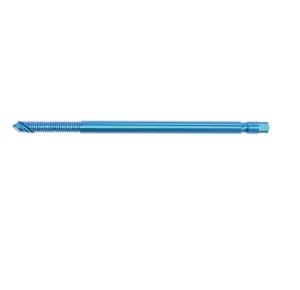
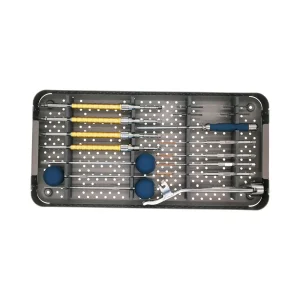
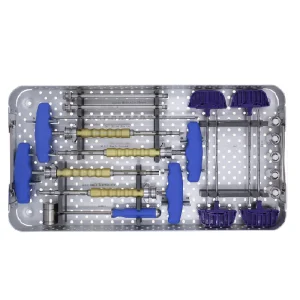
Implant success depends on surgical ergonomics. Chinese factories provide matching autoclavable aluminum-alloy surgical trays containing torque-limiting screwdrivers, periosteal elevators, reduction forceps, drill bits, and tap guides, guaranteeing 100% mechanical synergy between screws, plates, and surgical tooling.
Next-Generation Orthopedics
Technology Roadmap: 3D Printing, Antibacterial Surfaces & Bio-Hybrids
The evolutionary trajectory of clavicular osteosynthesis engineered within cutting-edge Chinese biomedical laboratories.
Electron Beam Melting (EBM) 3D Trabecular Titanium
Additive manufacturing enables the fabrication of customized clavicle plates with interconnected trabecular porous architectures (65-80% porosity, 300-500μm pore size). This structure mimics natural cancellous trabeculae, facilitating rapid vascular in-growth and osseointegration, especially crucial in segmental bony defect reconstruction.
Nano-Silver & Tantalum Antibacterial Coatings
Post-operative surgical site infection (SSI) remains a severe clinical complication. Emerging R&D employs Physical Vapor Deposition (PVD) to coat titanium clavicle plates with atomic-thin nano-silver ions or tantalum, which disrupt bacterial biofilm synthesis (e.g., MRSA) while preserving mammalian osteoblast adhesion.
Magnesium Alloy Bio-Resorbable Hybrids
Chinese research institutions are spearheading hybrid fixation concepts combining rigid titanium main-span plates with bio-absorbable magnesium-zinc-calcium screws. As the clavicular fracture achieves solid cortical union over 12-18 months, magnesium components degrade safely into bio-essential ions, obviating the need for secondary implant removal surgeries.
Procurement & Clinical Engineering FAQ
Frequently Asked Questions by Global Hospital Buyers & Sourcing Directors
In-depth responses covering metallurgy, biomechanics, regulatory clearance, and international shipping protocols.
Why is Ti-6Al-4V ELI titanium alloy preferred over stainless steel for clavicle fracture plates?
Ti-6Al-4V ELI (Extra Low Interstitial, ASTM F136 / ISO 5832-3) delivers a superior strength-to-weight ratio and a biological modulus of elasticity (~110 GPa) that is nearly half that of 316L medical stainless steel (~200 GPa). This closer elastic match significantly reduces stress shielding at the fracture margins, promoting faster callus bridging through dynamic micro-motion. Furthermore, titanium exhibits superior corrosion fatigue resistance in saline tissue fluids and produces substantially fewer artifacts during post-operative CT and MRI follow-ups.
What anatomical clavicle plate profiles are typically manufactured in China?
Chinese orthopedic factories produce three core anatomical geometries:
1. Superior Midshaft Clavicle Locking Plates: 6 to 10 hole configurations pre-shaped to the standard anatomical S-curve for mid-diaphyseal fractures.
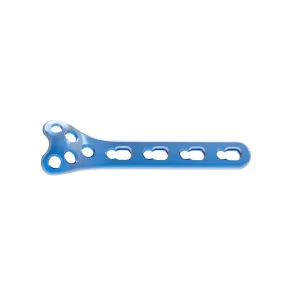
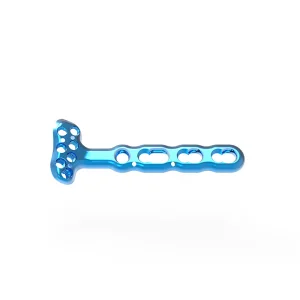
2. Distal / Lateral Clavicle Locking Plates: Featuring a broadened fan-shaped distal lateral tip with 4 to 8 multi-directional locking holes (2.7mm/3.5mm) and suture suture eyelets for coracoclavicular ligament reconstruction.
3. Clavicle Hook Plates: Formed with an anatomically curved hook of varying depths (12mm to 18mm) designed to fit atraumatically under the acromion for acute high-grade AC joint dislocations and distal clavicle fractures.
How does China's titanium supply chain guarantee raw material authenticity and traceability?
Every batch of titanium alloy rods originates from accredited medical-grade melt facilities accompanied by certified Mill Test Certificates (MTC) documenting precise chemical composition (oxygen, nitrogen, carbon, iron, aluminum, vanadium limits) and mechanical tensile strengths according to ASTM F136 standards. Each manufactured plate is permanently micro-laser marked with a unique lot tracking number, enabling bidirectional traceability back to the raw ingot furnace run.
Can Chinese manufacturers produce custom-branded OEM sets and private label packaging?
Yes. OEM/ODM services are fully integrated. Manufacturers support customized plate geometry alterations, laser branding, custom anodized color-coding (e.g., gold for 3.5mm cortex, blue for 3.5mm locking), sterile Tyvek/PET blister seal packaging with CE/ISO compliant labeling, multi-lingual instruction manuals (IFU), and bespoke graphic graphic outer cartons ready for localized hospital tender bidding.
What is the standard lead time for international freight delivery to global distributors?
For standardized titanium clavicle plates and core instrument kits held in controlled inventory, orders are processed and dispatched within 48 to 72 hours via international air couriers (DHL, FedEx, UPS, EMS), with door-to-door transit times averaging 4 to 6 business days worldwide. Custom OEM bulk production runs typically require 20 to 30 days depending on anodizing specifications, cleanroom packaging runs, and local language print proofing.
Comprehensive Portfolio
Trauma Plating, Arthroplasty & Spinal Instrumentation Systems
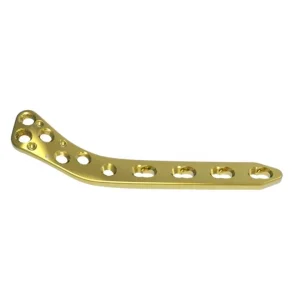
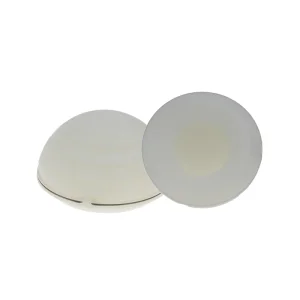
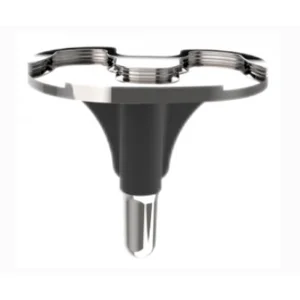
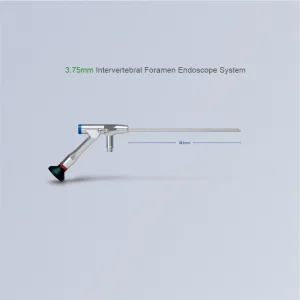
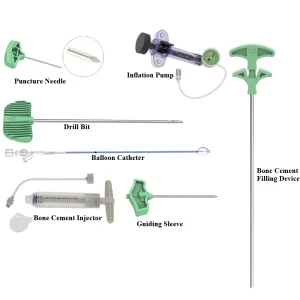
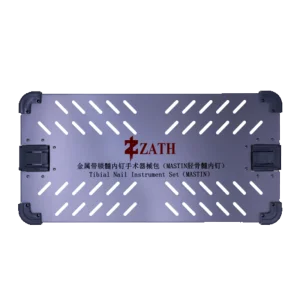
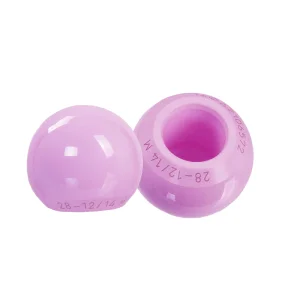
Explore specialized tibial locking plates, acetabular cups, endoscope platforms, and spinal instrument systems engineered under the same rigorous ISO 13485 quality standard.
Global Procurement Gateway
Partnering with China’s Leading Orthopedic Device Manufacturers
Direct-from-factory technical assurance, comprehensive clinical trial registries, and scalable production capacities tailored for regional orthopedic brand owners.
Tier-1 Hospital Clinical Validation
Every clavicle plate series undergoes comprehensive cadaveric fitting trials and longitudinal clinical registry evaluation across top-tier regional trauma centers before global market introduction. Over 15 years of orthopedic specialization ensures proven clinical outcomes, low re-operation rates, and surgeon-approved instrument ergonomics.
Dedicated Regulatory Dossier Services
We supply international partners with localized registration dossiers, including Free Sale Certificates (FSC), ISO 13485 declarations of conformity, process validation protocols for automated ultrasonic cleaning, and accelerated aging stability studies to guarantee 5-year shelf-life validation in tropical and variable climates.
Rapid Prototype & Small-Batch Flexibility
Whether testing regional market acceptance with pilot runs of 50 sets or scaling up to high-volume national health tender deliveries of 10,000+ units, our agile multi-axis CNC cells accommodate fast tooling shifts, customized packaging prints, and prioritized production schedules without sacrificing quality control.