
Clinical Precision Implant Catalog
Explore high-tolerance trauma, reconstruction, and arthroplasty assemblies manufactured in our certified cleanroom facilities, compatible with international surgical sets.
-
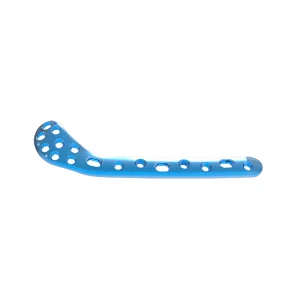 Trauma Solution
Discount Distal Medial Femur Locking Compression Plate Pricelist, Products
View Product Specs -
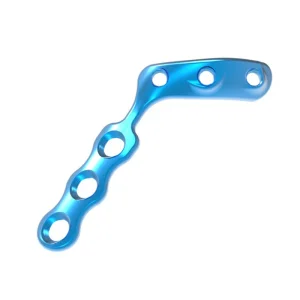 CE & ISO Verified
China patent design scapula Locking Plate factory CE ISO insured Exporters, Products
View Product Specs -
-
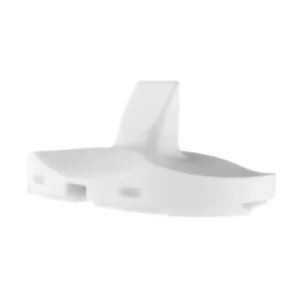 Knee Joint Prosthesis
Wholesale Enable Tibial Insert Knee Joint Prosthesis Pricelist, Exporters
View Product Specs -
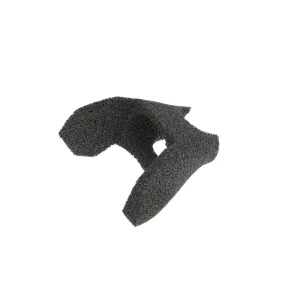 Additive Manufacturing
Famous China factory 3D Printing Knee Joint sleeve Germany quality Companies, Service
View Product Specs -
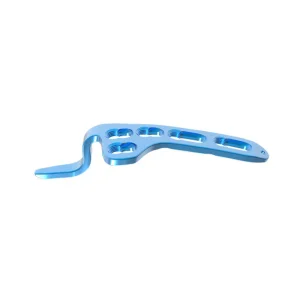 Upper Extremity
Buy Clavicle Hook Locking Compression Plate Manufacturer, Supplier
View Product Specs -
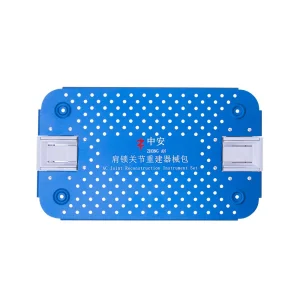 Surgical Instrumentation
ODM AC Joint Reconstruction Instrument Set Supplier, Products
View Product Specs -
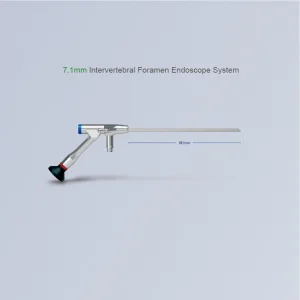 Endoscopic Spine
Wholesale 7.1mm Intervertebral Foramen Endoscope System Factory, Factories
View Product Specs
Global Landscape of PFNA Femoral Intramedullary Nail Manufacturing & Clinical Demand
A comprehensive examination of biomechanical evolution, global demographic shifts, metallurgical integrity, and supply chain rationalization for hospital networks and distributors.
Demographic Shifts & Fracture Surges
Proximal femoral fractures—specifically intertrochanteric, pertrochanteric, and subtrochanteric patterns—represent one of the fastest-growing orthopedic emergency caseloads worldwide. As global populations age, osteoporotic femoral neck and trochanteric fractures are projected to exceed 4.5 million annual occurrences globally by 2030.
- Exponential demand for internal fixation in geriatric patients with compromised bone mineral density (BMD).
- Shift toward intramedullary load-sharing nail constructs over extramedullary side-plates (DHS) to minimize blood loss.
- Clinical protocols prioritizing immediate post-operative weight-bearing to reduce pulmonary complications.
Cost Rationalization in Healthcare
Global tender boards, private hospital consortia, and orthopedic importers face escalating pressure from single-payer reimbursement systems and DRG (Diagnosis-Related Group) pricing models. Sourcing directly from verified Chinese manufacturers provides a decisive economic hedge without sacrificing surgical reliability.
- Elimination of 300%-500% multinational markups on standard titanium trauma inventory.
- Direct access to scalable OEM/ODM packaging, customizable laser etchings, and regulatory dossiers.
- Reduced capital expenditure on instrumentation sets via high-durability modular surgical kits.
Biomechanical Superiority: Blade vs Screw
The PFNA (Proximal Femoral Nail Antirotation) platform revolutionized hip fracture fixation by substituting the traditional threaded lag screw with a single, dynamically compacting helical blade. This innovation radically alters the mechanical interface within the femoral head spongiosa.
- Helical blade compacts cancellous bone around its profile rather than removing structural trabeculae.
- Significantly higher resistance to rotational cut-out and superior anchoring in osteoporotic bone beds.
- Medial-lateral angle (typically 130° or 125°) engineered to replicate the anatomical femoral axis.
Engineering Architecture of Custom PFNA Systems: Why Helical Blades Excel
A rigorous metallurgical and mechanical comparison illustrating why custom proximal femoral nails outperform traditional sliding hip screws and standard interlocking nails.
Conventional Screw Cut-Out Mechanics
Standard trauma screws rely on aggressive thread cutting to achieve mechanical purchase inside the femoral head. In low-density osteoporotic bone, the insertion process strips internal bone trabeculae, creating a high-stress shear zone.
- Bone Loss during Insertion: Drills and core taps evacuate essential bone volume from the femoral neck channel.
- Rotational Instability: Single lag screws fail to prevent the femoral head from rotating around the longitudinal axis during walking loads.
- Higher Cut-Out Incidence: High tip-apex distance (TAD) combined with micro-motion leads to the classic superolateral cut-out through the joint surface.
- Open Exposure Trauma: Requires extensive lateral soft-tissue incision, significantly increasing intraoperative blood loss and recovery times.
Radial Bone Impaction & Antirotation
The PFNA helical blade is introduced through a cannulated guide without pre-drilling the femoral head spongiosa. As it glides forward, its four-fluted profile radially compacts adjacent bone, creating a dense peri-implant structural mantle.
- Bone Preservation & Densification: Zero loss of bone stock; local trabeculae are pressed tightly against the titanium core.
- Integral Angular & Rotational Lock: Once fully inserted, engaging the medial locking mechanism blocks both rotation and varus collapse simultaneously.
- Controlled Dynamic Sintering: The nail-blade interface enables guided lateral collapse, promoting natural primary fracture compression under patient body weight.
- Minimally Invasive Entry: Small 3-5 cm trochanteric portal reduces surgical morbidity, operative times, and infection risks.
| Engineering Parameter | ZATH PFNA Femoral Nail Specification | Clinical & Manufacturing Advantage |
|---|---|---|
| Raw Material Grade | Ti-6Al-4V ELI (ASTM F136 / ISO 5832-3 Grade 23) | Superior fracture toughness, cyclic fatigue endurance, and MRI compatibility compared to commercial pure titanium or 316L stainless steel. |
| Proximal Valgus Angle | 5° Anatomic Valgus Incline | Permits direct insertion through the tip of the greater trochanter without compromising the abductor tendon insertion or damaging femoral head vasculature. |
| CCD Angle Range | 125° / 130° CCD Options | Accurately restores patient-specific caput-collum-diaphyseal anatomy, accommodating both Caucasian and Asian proximal femoral morphologies. |
| Blade Insertion Mechanism | Single-Step Cannulated Insertion with Automatic Click-Lock | Eliminates extra screw-tapping steps, reduces fluoroscopy exposure time for both surgeon and patient, and ensures definite mechanical engagement. |
| Distal Locking Configurations | Static & Dynamic Slot Locking (Ø 4.9 mm Screws) | Allows the surgeon to choose rigid stability for comminuted fractures or dynamic secondary axial compression to stimulate callus formation in delayed union. |
| Distal Flexible Flutes | Deepened Flexible Beveled Tip | Minimizes modulus mismatch stress concentrations at the nail tip, drastically reducing the risk of postoperative femoral shaft fractures. |
Factory Direct Efficiencies: Inside the ZATH Beijing Facility
Operating from the Zhongguancun Science Park in Beijing, our vertically integrated plant controls every stage from raw bar stock to sterile barrier packaging, unlocking unmatched OEM/ODM speed.
Multi-Axis Swiss CNC Machining
Our workshop houses high-precision multi-axis Swiss-type turning centers and 5-axis DMG Mori milling cells. Deep cannulation gun drilling achieves strict concentricity tolerances (within ±0.015 mm), ensuring smooth guide-wire passage during emergency surgery without binding.
ISO 13485 Controlled Quality Systems
From metallurgical spectrometer inspection of certified titanium ingots to optical CMM coordinate verification and surface roughness profilometry (Ra < 0.4 µm), each production run conforms to ISO 13485 QMS. Full raw-material mill certificates accompany every export lot.
Scalable Turnaround & Agile Tooling
Unlike Western suppliers with 6-9 month order backlogs, our agile production scheduling ensures custom PFNA implant dimensions and matching targeting jigs are machined, anodized, and dispatched within 3-4 weeks, supported by international express networks (DHL/FedEx in 4-6 days).
Clinical Indication Mapping & Custom Nail Sizing Strategies
A surgeon-centric selection guide detailing nail morphology, length variations, and targeting jig alignments across diverse femoral pathology classifications.
AO/OTA 31-A1 & A2 Pertrochanteric Fractures
Primary Treatment: Standard Short PFNA (170 mm – 240 mm).
For stable two-part or comminuted multi-fragmentary intertrochanteric fractures with an intact femoral calcar. The short nail provides rapid intramedullary buttressing with dynamic blade impaction. The 5° lateral deflection allows insertion without disrupting gluteus medius tendons.
AO/OTA 31-A3 Reverse Oblique Fractures
Primary Treatment: Long Anatomical PFNA (340 mm – 420 mm).
In reverse oblique and transverse trochanteric fracture lines, extramedullary devices uniformly fail due to medial displacement forces. The long custom PFNA bridges the fracture plane, utilizing an anatomical bow (radius of curvature R1.5m - 2.0m) to fit natural femoral shaft bowing.
Pathological & Subtrochanteric Extensions
Primary Treatment: Long Custom PFNA with Multi-Plane Distal Locking.
When fracture patterns extend >5 cm distal to the lesser trochanter, torsional bending stresses peak. Our long nails feature reinforced wall thickness in the subtrochanteric segment and dual static/dynamic distal screw holes to prevent limb shortening and rotation.
Dossier Completeness & OEM/ODM Procurement Requirements
How ZATH supports international distributors, health ministries, and tender authorities with turnkey technical documentation and validated sterile barriers.
Technical Dossier & MDR Readiness
We supply complete technical documentation formatted to ISO 13485 and regional MOH registration templates: Risk Assessment (ISO 14971), Biocompatibility Profiles (ISO 10993), Biomechanical Fatigue Test Reports (ASTM F383 / F1264), and Cleanroom Validation (ISO 14644).
Sterile Packaging ISO 11607
All PFNA femoral nails and helical blades can be delivered in validated double-sterile blister packs sealed with medical Tyvek®, irradiated by Gamma or Ethylene Oxide (EO). Implants arrive directly ready for operating theatre shelving, with a documented 5-year shelf life.
Private Labeling & Laser Customization
Enhance brand equity in your domestic territory. We provide precision fiber laser engraving for your company logo, custom catalog reference numbers, lot tracking codes, and UDI (Unique Device Identification) 2D data-matrix barcodes directly onto the nail shoulder.
Emerging Innovations in Intramedullary Fixation Technology
The convergence of carbon-fiber radiolucency, sensor-assisted targeting, and 3D trabecular surface enhancements in modern femoral trauma care.
Carbon-Fiber PEEK Radiolucent Insertion Handles
Traditional stainless steel or heavy alloy targeting jigs cast radiographic shadows under C-arm fluoroscopy, obstructing the surgeon's view of blade seating. ZATH is pioneering carbon-fiber reinforced PEEK insertion handles that provide zero radio-opacity, guaranteeing unobstructed real-time fluoroscopic visualization.
Electromagnetic Distal Locking Guidance
Free-hand distal locking remains the primary source of intraoperative radiation exposure and surgeon fatigue. Integrating magnetic field sensors within the cannulation bore enables radiation-free, real-time 3D spatial alignment of distal drill sleeves, achieving first-pass locking success in >98% of cases.
3D Printed Trabecular Titanium Helical Surfaces
Applying electron beam melting (EBM) additive manufacturing to generate an interconnected porous outer matrix (porosity ~65%, pore size 300-500 µm) across the blade surface. This accelerates biological osseointegration within osteoporotic bone, converting temporary mechanical fixation into long-term biological stability.
From Certified Titanium Ingot to Sterile Operating Room Implant
A deterministic six-tier quality control sequence executed under one roof at our Beijing manufacturing facility.
01. Raw Material Metallurgy
Medical-grade Ti6Al4V ELI bar stock received with complete ultrasonic testing certificates and chemical heat analysis, inspected in-house for grain uniformity and hardness.
02. Wire EDM & Deep Cannulation
Precision wire electrical discharge machining creates blanks, followed by specialized gun-drilling of the longitudinal cannulation with verified axial runout tolerances.
03. Multi-Axis CNC Profiling
Multi-axis computerized machining shapes the 5° proximal bend, proximal dynamic sliding channel, distal locking slots, and anti-stress flexible beveled tip contours.
04. Automated Anodizing & Polish
Electrochemical Type II anodization creates a chemically inert, biocompatible titanium dioxide barrier layer, boosting fatigue resistance and preventing cold welding with blades.
05. 100% CMM Dimensional Inspection
Contact and non-contact optical coordinate measuring machines verify critical diameters, helical pitches, hole alignments, and thread tolerances against master CAD drawings.
06. Cleanroom Sealing & Lot Serialization
ISO Class 7 (Class 10,000) cleanroom ultrasonic cleaning, double Tyvek® blister packaging, barcode labeling, and sterilization release ready for worldwide dispatch.
Frequently Asked Questions: PFNA Sourcing & Specifications
Detailed technical, commercial, and regulatory answers for hospital procurement committees, biomedical engineers, and implant distributors.
What distinguishes the PFNA helical blade from standard two-screw trochanteric nails?
Which titanium alloy does ZATH use, and how is biocompatibility certified?
What are the standard dimensions and CCD angle options available for export?
Long Nails: Diameters Ø9.0, Ø10.0, Ø11.0 mm (left and right anatomical bow, radius 1.5m-2.0m); Lengths 320 mm to 420 mm in 20 mm increments.
Helical Blades: Lengths 75 mm to 120 mm in 5 mm increments, fully cannulated for Ø3.2 mm guide wires.
Can ZATH provide matching surgical instrument sets for the PFNA system?
How does the dynamic collapse feature function inside the femoral head?
What is the minimum order quantity (MOQ) and lead time for OEM/ODM private labeling?
Are ZATH orthopedic implants pre-sterilized or supplied non-sterile?
Advanced Surgical Implants & Instrumentation Systems
Explore matching intramedullary instrumentation, locking plate assemblies, spinal fixation columns, and diagnostic systems from our Beijing facility.
-
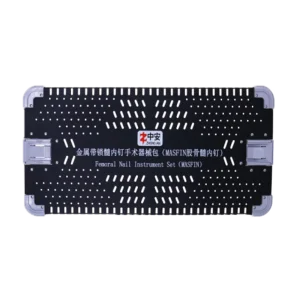 IM Nail Tooling
China MASFIN Expert Femur Intramedullary Nail Instrument Set Quotes, Companies
View Product Specs -
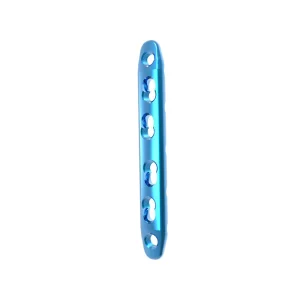 Trauma Plating
China Humerus Limited Contact Locking Compression Plate Manufacturer, Service
View Product Specs -
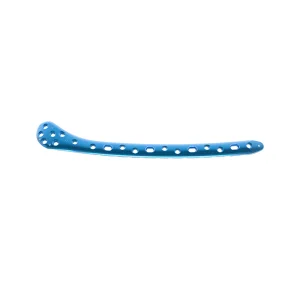 Distal Femur
Best Distal Lateral Femur Locking Compression Plate I Factory, Company
View Product Specs -
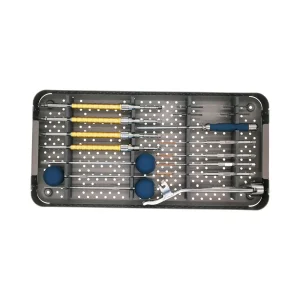
-
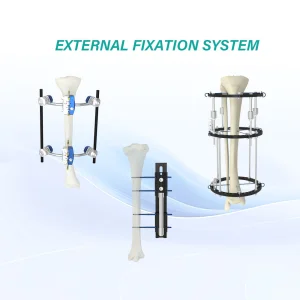 External Fixator
Discount Orthopedic stainless synthes external fixation fixator Factories, Pricelist
View Product Specs -
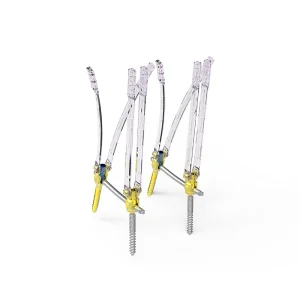 MIS Spine
ODM Spine Titanium Minimally Invasive Pedicle Screws Manufacturer, Pricelist
View Product Specs -
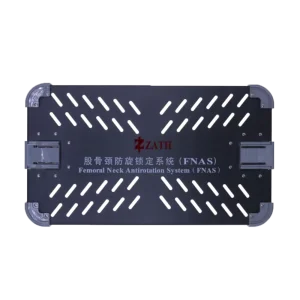 Neck Fixation
Famous Femoral Neck Antirotation System (FNAS Instrument Set) Supplier, Products
View Product Specs -
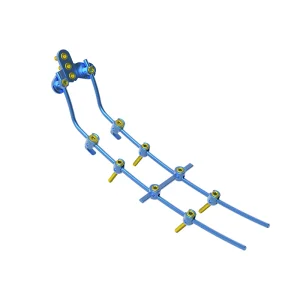 Diagnostic System
ODM Non-invasive Ladder Optical Coherence Tomography System Quotes, Company
View Product Specs
Partner with an Accountable Orthopedic Foundry
Request comprehensive CAD engineering drawings, titanium raw-material mill certificates, full catalog pricing, or request a customized OEM/ODM sample production trial.