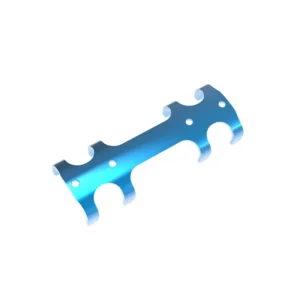
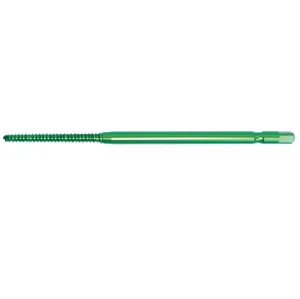
Core Trauma & Joint Fixation Production Portfolio (Batch I)
Explore our export-ready trauma plates, reconstructive instrumentation, and joint replacement implants engineered with medical-grade titanium and cobalt alloys.
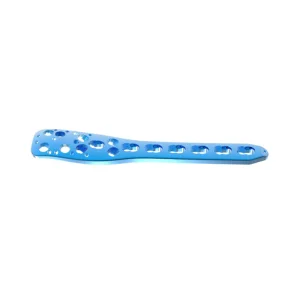
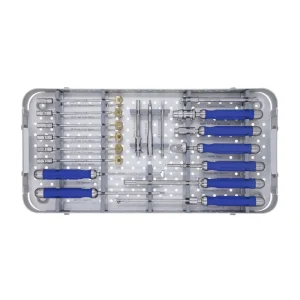
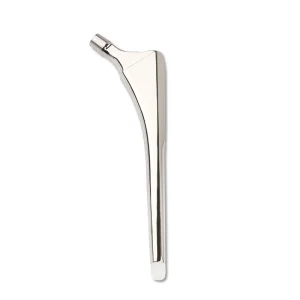
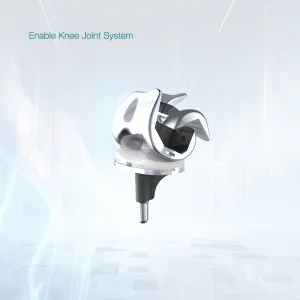
Buy High Quality Titanium Total Knee Joint Replacement Implants Pricelist, Companies
Request Factory Quote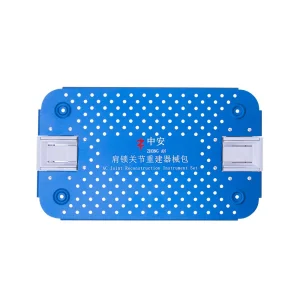
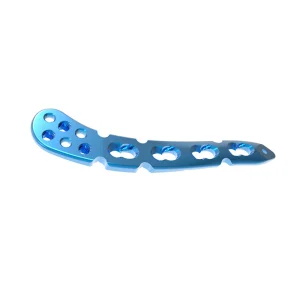
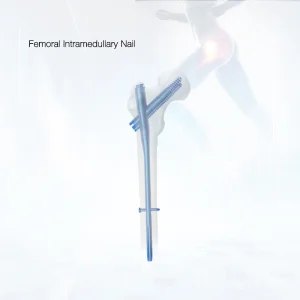
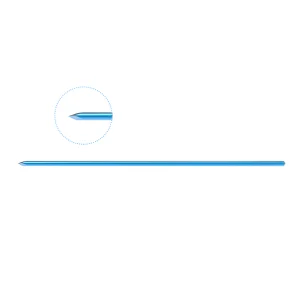
OEM Surgical Hospital Use InterZan Titanium Interlocking Nail for Femur Supplier, Factories
Request Factory QuotePlate Orthopedic Radius: Anatomical Evolution & Clinical Mechanics
Distal radius fractures constitute over 17% of all emergency skeletal trauma globally. Discover the engineering principles shifting modern fracture management from traditional casting to precision-engineered Volar Locking Compression Plates.
In contemporary orthopedics, fractures of the distal radius represent one of the most frequent skeletal disruptions, exhibiting a bimodal demographic distribution: high-energy sports or vehicle impacts in young working populations, and low-energy osteoporotic fall-on-outstretched-hand (FOOSH) injuries among the aging demographic. The clinical objective in radius fixation is the anatomical restoration of radial length, volar tilt (normal 11°–12°), and radial inclination (normal 22°–23°), while achieving rigid stability that permits immediate post-operative digital mobilization.
For orthopedic procurement officers, hospital purchasing consortia, and commercial orthopedic distributors, searching for discount plate orthopedic radius factories and quotes requires an uncompromising balance between unit manufacturing economics and surgical safety. True cost efficiency is never achieved through metallurgical compromise; it stems from vertical machining integration, five-axis CNC automation, and verified compliance with ASTM F136 (Ti-6Al-4V ELI) and ISO 5832 standards.
Volar Approach & Watershed Line
Modern radius plates respect the distal watershed line to prevent irritation and rupture of the Flexor Pollicis Longus (FPL) tendon. Chamfered distal margins, ultra-low profile head heights (down to 1.5mm), and anatomical pre-contouring eliminate intraoperative cold-bending requirements.
Fixed vs. Variable-Angle Locking
Next-generation radius systems feature Variable-Angle (VA) locking clusters that allow screw angulation up to ±15° within the subchondral styloid and lunate fossa fragments. This enables cross-trajectory purchase in comminuted AO/OTA 23-C3 articular fractures.
Metallurgical Fatigue Performance
Constructed from high-grade titanium alloy (Grade 5 ELI / Ti-6Al-4V), plates feature anodized Type II electrochemical surface passivations. This microstructure exhibits higher tensile yield strength (>860 MPa) and superior fatigue endurance limits over conventional 316L stainless steel.
| Implant Parameter | Legacy Non-Locking T-Plates | Standard Volar LCP (Fixed) | ZATH Advanced Multi-Axial Radius System |
|---|---|---|---|
| Primary Mechanical Concept | Frictional compression against bone | Fixed-angle internal splinting | Variable-angle (±15°) column-targeted internal fixator |
| Periosteal Perfusion Impact | High compression, blood supply constriction | Limited-contact profile reduces ischemia | Undercut scallops preserve dorsal/volar cortical vasculature |
| Subchondral Articular Support | Secondary displacement risk >18% | Subchondral raft support, rigid trajectory | Multi-planar buttressing adapted to patient-specific styloid morphology |
| Plate Thickness Profile | 2.4 mm – 3.0 mm (high prominence) | 2.0 mm (moderate soft tissue friction) | 1.6 mm – 1.8 mm tapered profile with chamfered distal edge |
| Material Specification | Forged 316L Stainless Steel | Standard Ti-6Al-4V Alloy | Medical-grade Ti-6Al-4V ELI (ASTM F136) + Hard Anodization |
Global Enterprise Sourcing: Evaluating Radius Plate Factory Quotes
Strategic purchasing managers navigate multi-variable pricing structures when ordering orthopedic trauma implants. How lean manufacturing hubs in Beijing create durable procurement savings.
In international medical device tenders, the concept of a “discount quote” frequently triggers skepticism regarding quality control. In the context of established manufacturers such as Beijing ZhongAnTaiHua Technology Co., Ltd. (ZATH), factory-level price advantages arise from structural supply chain advantages rather than skimping on quality control:
- Cluster Density in Science Parks: Based in the Zhongguancun Science and Technology Park (Pinggu Park, Beijing), our facilities benefit from concentrated titanium supply chains, certified electrochemical finishing shops, and automated packaging infrastructure.
- Amortized Multi-Axis Tooling: High continuous production volumes amortize Swiss-type sliding headstock lathes and multi-pallet 5-axis CNC machining centers, reducing per-cycle operational overhead by up to 40%.
- Integrated Matching Toolkits: Unlike intermediaries who assemble piecemeal screws and plates, direct factory sources provide unified quick-coupling drivers, depth gauges, drill sleeves, and bending irons within customized autoclavable aluminum trays, preventing surgical mismatch.
Tiered Factory MOQ Discounts
Direct production schedules are structured to incentivize consolidated ordering. Shipments scaling past 500-unit plate batches unlock significant discounts, dropping individual unit landed costs while retaining Class 100,000 cleanroom packaging.
White-Label OEM / ODM Customization
Distributors seeking proprietary brand registrations receive end-to-end support: custom laser-etched matrix barcodes, laser branding, localized outer box IFU translations, and tailored hole configurations matched to national clinical preferences.
Sterile vs. Non-Sterile Supply Options
Tender bids often dictate delivery modes. ZATH supports both bulk, non-sterile washed components for hospital tray sterilization and individually validated gamma/EO sterile pouch blister packs with 5-year shelf-life stability data.
Precision Fabrication: From Titanium Ingot to Sterile Implant
Quality reliability starts at atomic purity. How our automated machining cells eliminate micro-burrs and ensure perfect thread synchronization between locking screws and plate combi-holes.
1. Material Ingot Verification
Every bar of Ti-6Al-4V ELI undergo ultrasonic flaw detection and chemical composition spectrometry, validating compliance with ASTM F136 gas limits (O2 < 0.13%, Fe < 0.25%).
2. High-Speed Wire EDM & CNC
Low-thermal wire electro-discharge machining profiles the anatomical contours, followed by simultaneous multi-axis milling of variable-angle cone threads with tolerances within ±0.005mm.
3. Electrochemical Passivation
Automated multi-stage ultrasonic degreasing removes residual cutting oils, followed by Type II anodization that increases surface hardness, minimizes fretting corrosion, and eliminates cold-welding risk.
4. CMM & Optical Metrology
Zeiss Coordinate Measuring Machines (CMM) and computerized visual projectors inspect 100% of critical dimensions: plate camber, hole pitch, thread lead, and chamfer radius before lot release.
Cold-Welding Mitigation in Titanium Locking Interfaces
A classic hazard in titanium volar plating is cold-welding (galling) between the locking screw head and the plate threaded hole during screw insertion. ZATH applies differential surface hardness treatments between the screw core and plate hole threads, guaranteeing effortless hardware extraction during revision or implant removal procedures.
Global Compliance Assurance: MDR, ISO 13485 & International Licensing
How our documentation ecosystem and technical dossiers enable seamless market clearance for distributors across Europe, Latin America, Southeast Asia, and the Middle East.
ISO 13485:2016 Certified QMS
Our quality management system is audited under the highest international medical device standards, controlling everything from design risk analysis (ISO 14971) to software validation and sterile barrier maintenance (ISO 11607).
CE MDR Technical File Readiness
We maintain comprehensive clinical evaluation reports (CER), post-market surveillance (PMS) matrices, and full biological safety files according to ISO 10993 to support regional distributors in meeting new European MDR guidelines.
Free Sale Certificates (FSC)
We provide embassy-legalized Free Sale Certificates, Certificates of Analysis (CoA), and localized product registration dossiers, enabling partners to register products with national health ministries in as little as 90 to 120 days.
Supplier Evaluation Framework: Auditing Radius Plate Quotes
A structured technical checklist designed for biomedical engineers and procurement teams evaluating international orthopedic implant proposals.
| Evaluation Pillar | High-Risk Indicators (Low-Tier Vendors) | Standard Market Offering | ZATH OEM/Factory Standard |
|---|---|---|---|
| Raw Titanium Stock | Commercial pure titanium or uncertified remelt scrap | Certified Ti-6Al-4V without micro-structure audit | Medical-grade Ti-6Al-4V ELI (ASTM F136) with mill heat batch certs |
| Hole-Thread Precision | Loose tolerances, burred lead threads, stripping under 1.5Nm | CNC machined, standard fixed-angle locking | Synchronized multi-angle locking threads (±15°) holding >2.5Nm torque |
| Traceability & UDI | No lot numbers etched on individual plates | Printed paper lot labels on outer bag only | Direct 2D DataMatrix laser etching on every plate (GS1 UDI compliant) |
| Instrument Durability | Soft stainless steel bits stripping after 3-5 cycles | 17-4PH stainless steel instruments | Custom nitride-coated tool steel drill bits and silicon handles (134°C autoclavable) |
| Supply Continuity | Lead times varying unpredictably from 8 to 16 weeks | 4-6 week production lead times | Constant raw buffer stock with 72-hour air dispatch on standard catalog orders |
Technological Frontiers: The Next Decade of Radius Fixation
From Electron Beam Melting (EBM) additive manufacturing to AI-driven virtual reduction algorithms, discover how our R&D pipeline is evolving.
3D-Printed Trabecular Bone Interface
Integrating selective laser melting (SLM) to construct porous subchondral surfaces directly onto distal plates. 65% porosity and 300–500μm pore sizes encourage osteointegration and soft-tissue adherence in severe osteoporotic fractures.
Bioabsorbable Magnesium Composites
Investigating degradable WE43 magnesium alloy fasteners for non-load-bearing styloid fragments. These bio-absorbable fixators break down naturally into non-toxic ions over 12–18 months, eliminating secondary removal operations.
AI-Assisted Patient-Specific Plates (PSI)
Automated CT DICOM segmentations generating patient-specific CNC toolpaths within 24 hours. Ideal for complex malunions, revision osteotomies, and pediatric skeletal dysplasias requiring pre-shaped contours.
Frequently Asked Questions: Procurement & Technical Specifications
Essential answers for hospital directors, clinical engineers, and regional implant distributors before contract finalization.
1. How does ZATH achieve discount pricing on orthopedic radius plates without compromising metallurgical safety? +
Our pricing advantage is achieved through complete vertical manufacturing ownership at our Beijing production campus in the Zhongguancun Science Park. By running automated Swiss-type sliding lathes and high-speed CNC milling 24/7, purchasing medical-grade titanium ingots in bulk directly from certified mills, and conducting in-house cleaning, electrochemical anodization, and Class 100,000 cleanroom packaging, we eliminate middle-man markups and maintain consistent cost savings across every production run.
2. What specific alloy grade is used in ZATH distal radius locking compression plates? +
We manufacture our radius plates exclusively from certified Ti-6Al-4V ELI (Extra Low Interstitial) titanium alloy meeting ASTM F136 and ISO 5832-3 standards. ELI grade contains strictly controlled oxygen (max 0.13%) and iron content, providing superior fracture toughness, resistance to cyclic fatigue stress, and exceptional tissue biocompatibility compared to standard commercial titanium or stainless steel.
3. Does the system support both variable-angle and fixed-angle locking screws? +
Yes. Our advanced distal radius plate systems feature combi-holes and variable-angle (VA) locking holes. The VA holes accommodate locking screws at up to a 15-degree cone angle off-axis in all directions. This allows surgeons to direct screws into specific subchondral fragments (such as the styloid process or dorsal lunate facet) without risk of joint penetration or cross-threading.
4. What is the standard MOQ and lead time for customized OEM branding? +
Standard catalog items are kept in sterile/non-sterile buffer inventory and can be dispatched via international express within 4 to 6 business days. For customized OEM/ODM projects (custom laser logos, packaging layouts, or modified plate geometry), initial production trials require an MOQ of 50 to 100 plates per specification, with volume-scaled delivery completed within 3 to 5 weeks from technical drawing sign-off.
5. What regulatory certificates and technical files are provided to assist in local registration? +
We supply full ISO 13485:2016 quality system certificates, legalized Free Sale Certificates (FSC), raw material lot chemical/mechanical test reports, EO/Gamma sterilization validation data (ISO 11137 / ISO 11135), and comprehensive technical dossiers formatted to facilitate rapid clearance with local regulatory agencies worldwide.
Specialized Surgical Instrumentation & Internal Fixation Systems (Batch II)
Complete your surgical theater inventory with complementary cannulated screw kits, intramedullary nails, arthroscopy sets, and specialized pelvic/rib reconstruction hardware.
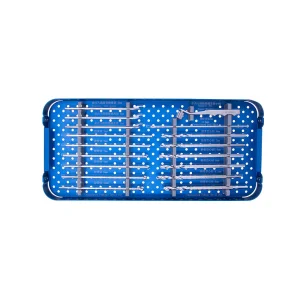
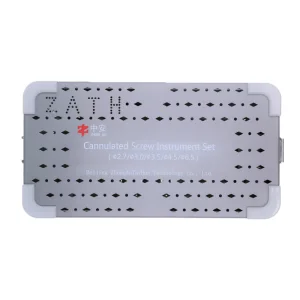
Discount Orthopedic Surgical Instruments Stainless Steel Cannulated Screw Instrument Set Supplier, Service
Request Factory Quote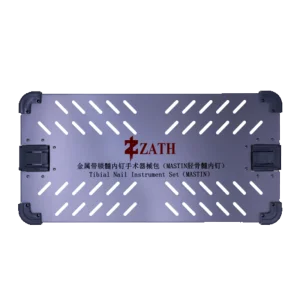
Discount MASTIN Expert Tibial Intramedullary Nail Instrument Set Manufacturers, Factories
Request Factory Quote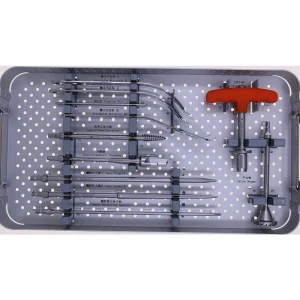
Famous CE Approved Orthopedic Implant THA Hip Instrument Set Femoral Part Supplier, Service
Request Factory Quote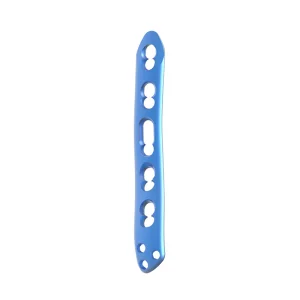
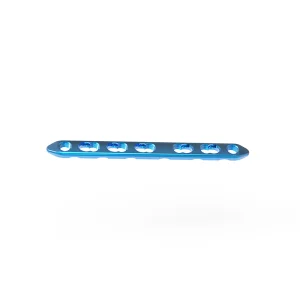
Custom Radius-Ulna Limited Contact Locking Compression Plate Factory, Exporter
Request Factory Quote