
Top-Tier Orthopedic Solutions: Clinical Instrumentation & Implants
Direct manufacturer access to sterile-packed orthopedic devices, spine decompression systems, joint prostheses, and modular surgical instrumentation fabricated under strict ISO 13485 regulatory governance.
-
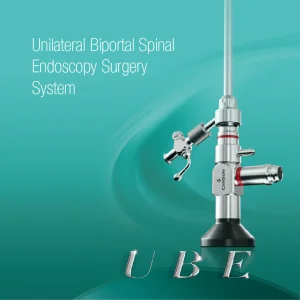
Custom High Quality Spine Surgery Unilateral Biportal Endoscopy Quotes, Company
View Technical Specs -
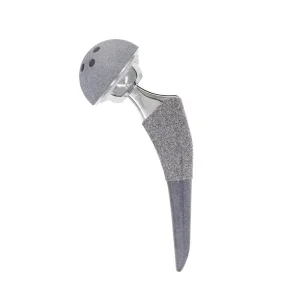
Cheap Hot sale Ti alloy JDS total hip replacement titanium joint prosthesis Quotes, Company
View Technical Specs -
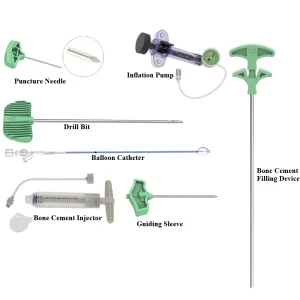
Famous Professional manufacturer PKP layer Vertebroplasty instruments set kit Exporters, Products
View Technical Specs -
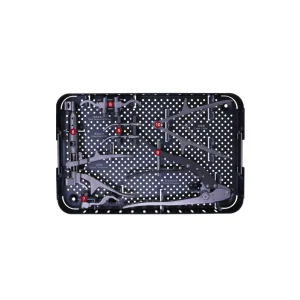
Famous Cable Instrument Set TypeII Supplier, Factory
View Technical Specs -
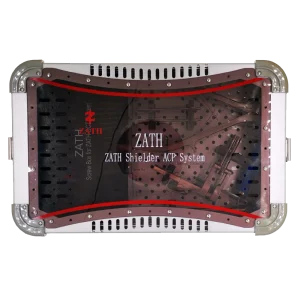
ODM Orthopedic Surgical Use Cervical ACP Plate System Instrument Set Manufacturer, Pricelist
View Technical Specs -
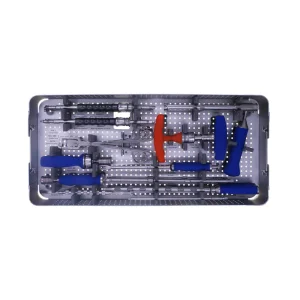
CE Certification Zipper 6.0 System Spinal Internal Fixation System Instrument Exclusive Set Factories, Product
View Technical Specs -
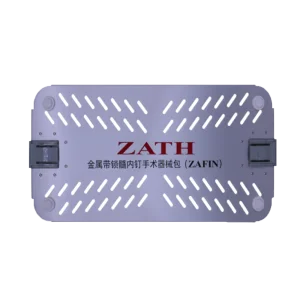
Buy Medical Bone Surgery ZAFIN Femoral Nail Instrument Set Suppliers, Products
View Technical Specs -
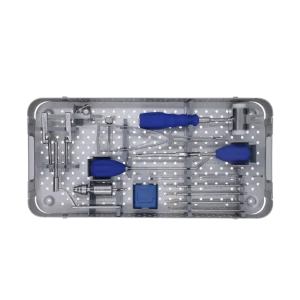
ODM High Quality ZP Cage Instrument Set Manufacturer, Manufacturers
View Technical Specs
Bone Screw Price Dynamics: The Strategic Advantages of China's Manufacturing Hub
Evaluating the unit economics of orthopedic fixation requires moving beyond superficial quoting to assess complete cost structures: raw material certifications, multi-axis Swiss CNC cycle efficiencies, cleanroom sterilization compliance, and volume economies of scale.
Certified Biomedical Raw Material Supply
The cost architecture of premium bone screws begins with certified bar stock. Chinese integrated production facilities leverage proximal access to high-purity medical grade Ti-6Al-4V ELI (ASTM F136 / ISO 5832-3) and implant-grade 316LVM stainless steel (ASTM F138). By eliminating cross-continental intermediate shipping tariffs on virgin alloys and consolidating ingots, domestic manufacturers secure raw material pricing that is 18% to 27% lower than European counterparts without sacrificing metallurgical grain uniformity or biocompatibility.
Automated Multi-Axis CNC High-Speed Turning
Machining complex bone screw geometries—including buttress thread patterns, reverse-cutting flutes, self-tapping tips, and cannulated inner lumens—demands continuous 7-axis to 9-axis Swiss-type lathe precision. Leading factories in Beijing and eastern industrial clusters operate high-density clusters of Star and Citizen CNC centers. High automation rates reduce per-part cycle times from 180 seconds to under 75 seconds per screw, drastically lowering labor and operating overhead while maintaining tight tolerances within ±0.005mm.
Class 10,000 Cleanroom Packaging Integration
Traditional western supply chains frequently outsource surface anodization, ultrasonic degreasing, cleanroom gamma packaging, and ethylene oxide (EO) sterilization to disparate third parties, stacking margins at each checkpoint. China's premier orthopedic manufacturers maintain in-house Class 100,000 cleanrooms and Class 10,000 laminar workstations. This streamlined, under-one-roof workflow eliminates third-party markups, generating a final FOB export price reduction of 30% to 45% compared to tiered global suppliers.
Anatomy of Modern Bone Screws: Engineering, Threads, and Load Mechanics
A surgical bone screw is a precision mechanical transducer converting torsional rotational work into axial compressive clamping force across osteotomy fragments. Understanding thread pitch, core diameter, and fatigue limits is vital for orthopedic buyers negotiating specifications.
Cortical Bone Screws
Engineered for dense diaphyseal cortical bone. Features a smaller pitch, shallow thread profile, and higher core-to-outer diameter ratio (typically 0.70 to 0.75). The fine pitch ensures maximal bone-to-metal purchase in compact structural cortex, generating optimal shear resistance and preventing micro-loosening during cyclical postoperative weight-bearing.
Cancellous Bone Screws
Engineered with deep, wide-spaced asymmetrical buttress threads to maximize purchase in porous metaphyseal and epiphyseal trabecular structures. The expansive thread depth and reduced core diameter displace bone density into the thread valleys, dramatically increasing ASTM F543 axial pullout strength in osteopenic cancellous matrices.
Cannulated Screws
Equipped with a central longitudinal lumen manufactured via deep-hole gun drilling. Enables percutaneous insertion over pre-positioned Kirschner guide wires (K-wires) under fluoroscopic C-arm guidance. Ideal for femoral neck, scaphoid, and ankle fractures where surgical exposure must be minimized to preserve fragile periosteal blood flow.
Locking Screws & Head Threading
Featuring machine-threaded heads that mechanically engage with matching female threads in anatomical locking compression plates (LCP). By locking into the plate itself, the screw forms a fixed-angle construct. This eliminates the necessity of compressing the plate against periosteal bone, shielding biological perfusion from necrosis.
| Classification | Common Diameters (∅) | Material Specification | ASTM Standard | Clinical Indication | Indicative Ex-Factory Price Band |
|---|---|---|---|---|---|
| Cortical Screw (Self-Tapping) | 1.5mm – 4.5mm | Ti-6Al-4V ELI / 316LVM | ASTM F543 / F136 | Long bone shafts (Femur, Tibia, Humerus) | $3.80 – $6.20 USD |
| Cancellous Screw (Full/Partial) | 4.0mm – 6.5mm | Ti-6Al-4V ELI Grade 23 | ASTM F136 / ISO 5832-3 | Femoral condyle, tibial plateau, calcaneus | $4.50 – $7.80 USD |
| Cannulated Compression Screw | 2.5mm – 7.3mm | Ti-6Al-4V ELI (Deep Gun Drilled) | ASTM F543 Annex A1 | Femoral neck, scaphoid, sacroiliac joint | $9.50 – $16.00 USD |
| Monoaxial/Polyaxial Pedicle Screw | 4.5mm – 7.5mm | Ti-6Al-4V ELI + CoCr Lock Rings | ASTM F1798 / F2193 | Thoracolumbar deformity, degenerative spine | $18.00 – $32.00 USD |
| Headless Herbert Bone Screw | 2.0mm – 4.5mm | Ti-6Al-4V ELI Variable Pitch | ASTM F543 Annex A2 | Intra-articular small bone fractures (Carpal) | $8.00 – $13.50 USD |
Global Technological Trends in Orthopedic Screw Engineering
The orthopedic implant sector is evolving rapidly from static metallic fasteners toward biologically active, navigation-integrated, and patient-specific dynamic fixation platforms.
Bioactive Nano-HA and Antimicrobial Ag Coatings
Modern implantology is conquering aseptic loosening and surgical site infections (SSI) through advanced surface coatings. Vacuum plasma-sprayed Hydroxyapatite (HA) accelerates osseointegration across poor bone beds, while sub-micron silver ion (Ag) and silicon nitride surface treatments disrupt bacterial biofilm formation. These coatings diminish revision rates significantly, particularly in diabetic and immunocompromised patient cohorts.
Robotic Navigation & MIS Dual-Core Screw Designs
With computer-assisted orthopedic surgery (CAOS) and robotic platforms becoming standard in global spine centers, screw architecture has adapted. Modern pedicle screws feature dual-core thread profiles—transitioning from a cylindrical core for rapid pedicle insertion to a conical core that enhances vertebral body purchase by 30%. Integrated radiopaque optical navigation markers facilitate instant registration with surgical robotic arms.
Bioabsorbable Magnesium & Polymer Matrices
To eliminate the secondary surgery required for implant extraction in pediatric and sports trauma, biomaterial engineering is transitioning toward biodegradable alloys. High-purity medical magnesium (Mg) alloys and ultra-high-molecular PLLA-PCL co-polymers degrade gradually at a rate coordinated with new bone osteogenesis. They dissolve harmlessly without triggering osteolytic sterile inflammatory cascades.
Localized Clinical Application Scenarios: Trauma to Reconstruction
Bone screws fulfill critical stabilization requirements across specialized surgical sub-disciplines. Sourcing requires matching technical thread profiles to localized anatomical bone densities.
Complex Diaphyseal & Metaphyseal Trauma
In high-energy polytrauma fractures of the distal radius, proximal tibia, and femoral shaft, bone screws provide dynamic interfragmentary lag compression. By drawing fracture planes into tight microscopic contact (<10 μm gap), they promote primary direct bone healing without intermediate cartilaginous callus formation, reducing non-union risks.
Spinal Deformity & Degenerative Fusion
Pedicle screw systems anchor all three columns of the spine through the vertebral pedicles. From correcting adolescent idiopathic scoliosis to stabilizing spondylolisthesis in adult degenerative patients, these specialized screws withstand substantial multi-planar cantilever bending forces, keeping interbody cages firmly immobilized.
Sports Medicine & Tendon Reattachment
Interference screws and suture anchor bone screws secure soft tissue autografts (hamstring, bone-patellar tendon-bone) into femoral and tibial bone tunnels during ACL and PCL reconstruction. The carefully radiused thread crests compress tendon graft fibers against osseous tunnel walls without cutting or fraying the delicate soft collagen matrix.
Macro Supply Chain Solutions for Hospital Networks & Global Importers
Global orthopedic supply chains demand resilient risk diversification, strict regulatory alignment with EU-MDR and US FDA standards, and scalable OEM/ODM delivery models.
Private Labeling & Turnkey OEM/ODM Engineering
International distributors and brand owners can bypass years of high-capital plant construction by partnering with established OEM factories like ZATH (founded in 2009). With over 300 experienced personnel and approximately 100 dedicated technical specialists, we provide laser-etched custom logos, bespoke thread configurations, proprietary anodization color coding (by diameter), and localized commercial packaging ready for regional regulatory submissions.
Regulatory Dossiers: Technical Files & Audit Traceability
Navigating stringent global regulatory frameworks (EU MDR 2017/745, US FDA 510(k), NMPA, and localized health registrations) requires flawless technical documentation. Reliable Chinese exporters supply exhaustive Device Master Records (DMR), biocompatibility testing data (ISO 10993 series), sterilization validation protocols (ISO 11137 / ISO 11135), and ASTM F543 biomechanical static and dynamic torsion and pullout reports.
Inventory Velocity & 4–6 Day Global Dispatch
Unplanned surgical emergencies require rapid replenishment of hospital consignment cabinets. ZATH utilizes smart inventory management systems tied to DHL, FedEx, TNT, UPS, and EMS rapid air corridors. Standard catalog bone screws and instrumentation kits are processed and cleared through customs rapidly, reaching operating theaters across South America, Southeast Asia, Europe, and the Middle East within 4 to 6 business days.
Frequently Asked Questions: Procurement & Technical Specifications
Essential guidance addressing raw material compliance, sterile shelf-life validation, volume pricing formulas, and international distributor support.
What primary metallurgical factors dictate bone screw pricing and mechanical integrity?
How does buying directly from Chinese factories protect distributors from supply chain bottlenecks?
What sterilization validations are standard, and what is the shelf-life rating?
Can ZATH accommodate custom OEM/ODM thread geometry and private label branding?
What documentation is provided to support regional health authority medical registrations?
What are the differences in indication between cortical and cancellous screws?
Precision Trauma, Joint & Fixation Implants: Full Export Portfolio
Explore our comprehensive platform of fracture fixation plates, orthopedic pins, reconstructive hip prostheses, and ligament repair systems for global clinical suppliers.
-
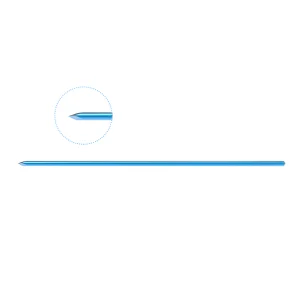
Best Titanium Alloy Orthopedic Bone Pin Factories, Company
View Technical Specs -
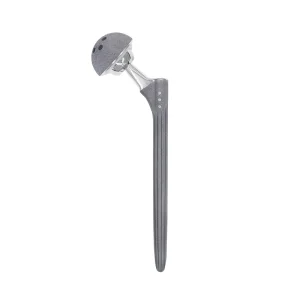
ODM Best Selling DDS Titanium Hip and Joint Implant Prosthesis Suppliers, Factories
View Technical Specs -
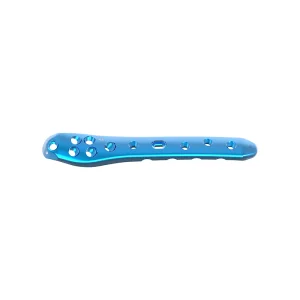
China Proximal Femur Locking Plate V Suppliers, Pricelist
View Technical Specs -
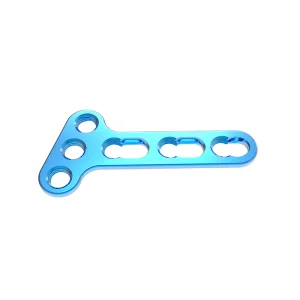
Buy Oblique T-Shape Locking Compression Plate Manufacturers, Pricelist
View Technical Specs -
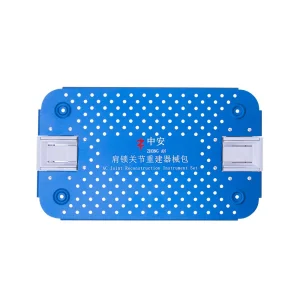
ODM AC Joint Reconstruction Instrument Set Supplier, Products
View Technical Specs -
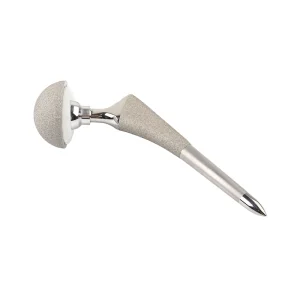
Famous FDS Cementless Stem Hip Joint Prosthesis Supplier, Products
View Technical Specs -
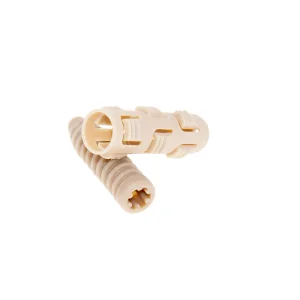
OEM Zath Sports Medicine Orthopedic Suture Anchor Implant Company, Service
View Technical Specs -
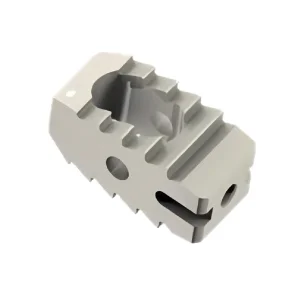
Famous Thoracolumbar Interbody Cage (Straight) Manufacturers, Factories
View Technical Specs