Flagship Clinical Implants & Surgical Instrument Sets
Explore our precision-machined orthopedic devices manufactured under strict cleanroom conditions, tested for extreme biomechanical endurance, and supplied with full documentation for international regulatory registration.
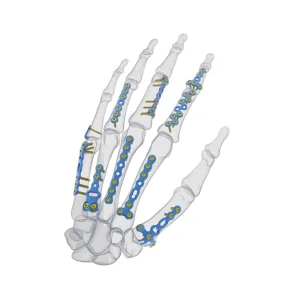
Best Hand Fracture Locking Plate System Exporter, Companies
View Product Details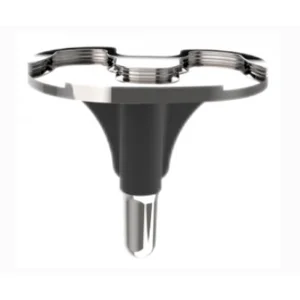
Buy Enable Tibial Baseplate for Knee Replacement Joint Implants Quotes, Product
View Product Details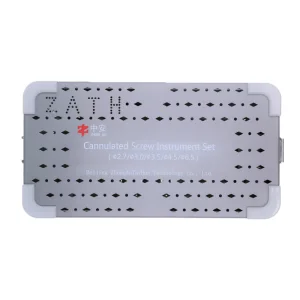
Discount Orthopedic Surgical Instruments Stainless Steel Cannulated Screw Instrument Set
View Product Details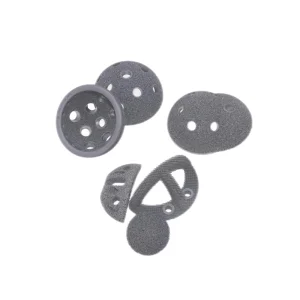
ODM 3D Printing Acetabular Revision System Manufacturers, Pricelist
View Product Details
Custom ZATH Orthopedic JDS Stem Hip Revision Instruments Implant Factory, Pricelist
View Product Details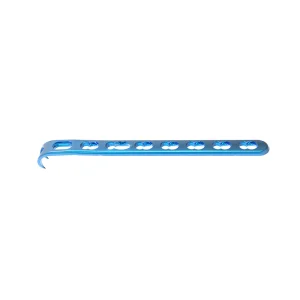
Buy Olecranon Hook Locking Compression Plate Companies, Products
View Product Details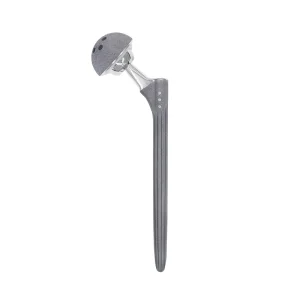
ODM Best Selling DDS Titanium Hip and Joint Implant Prosthesis Suppliers, Factories
View Product Details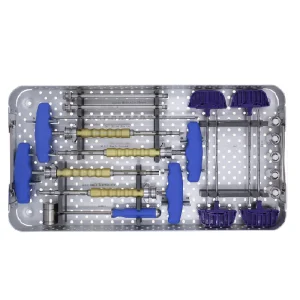
Cheap Spine Instrument Set (Zenith HE Instrument Set) Suppliers, Quotes
View Product DetailsMotorized Femoral Nails: The Apex of Internal Distraction Osteogenesis
Overcoming the morbidities of transfixation pins and bulky circular external frames through hermetically sealed micro-mechatronics, magnetic induction gearing, and biocompatible load-bearing metallurgy.
The clinical discipline of limb reconstruction and distraction osteogenesis has undergone a seismic paradigm shift over the past two decades. Historically dominated by external ring fixators such as the Ilizarov apparatus and monolateral dynamic fixators, femoral lengthening has long been hindered by severe clinical complications. Orthopedic surgeons and patients routinely encountered pin-tract infections reaching incidence rates as high as 70%, joint stiffness, transfixing pin tethering of the iliotibial band and quadriceps muscle groups, severe neurovascular entrapment risk, and catastrophic refracture following frame extraction. The introduction of the fully implantable intramedullary lengthening nail revolutionized this domain, establishing a new gold standard that combines stable skeletal fixation with progressive, controlled mechanical elongation from deep within the medullary canal.
Within the modern intramedullary lengthening landscape, two engineering architectures have defined the market: passive mechanical ratcheting nails and active motorized/magnetic induction systems. Passive mechanical nails depend on alternating rotational maneuvers of the patient's limb (oscillation between internal and external rotation) to engage a mechanical clutch and threaded spindle. However, this mechanism presents significant clinical drawbacks: involuntary toggling can induce excruciating pain, cause premature consolidation if the patient fails to execute the prescribed arc, or trigger uncontrolled rapid elongation that jeopardizes regenerate osteogenesis and causes neurovascular neuropraxia. In contrast, Motorized and Magnetic Internal Lengthening Femoral Nails utilize an active, highly controlled power delivery system—either an internal rare-earth magnetic rotor driven by an external rotating permanent magnet field (ERC) or an embedded brushless DC micromotor powered by subcutaneous inductive radiofrequency transfer. This delivers a continuous, frictionless, and completely painless distraction stroke governed to sub-millimeter precision.
"The biomechanical essence of tension-stress distraction osteogenesis dictates that histogenesis of bone, vascular tissue, and nerve fascicles thrives under absolute micro-stability and uniform daily advancement increments (0.75 mm to 1.0 mm/day partitioned into 3–4 daily events). Motorized internal femoral nails completely eliminate the erratic mechanical jerks of manual ratcheting, delivering an ideal environment for dense cortical regenerate formation without pin-site morbidity."
As a dedicated orthopedic medical device manufacturer founded in Beijing in 2009, Beijing ZhongAnTaiHua Technology Co., Ltd. (ZATH) has accumulated over 15 years of precision engineering experience across joint arthroplasty, spinal fixation, trauma solutions, and sports medicine. Operating out of the national Zhongguancun Science and Technology Park, Pinggu District, ZATH integrates comprehensive OEM and ODM manufacturing capabilities. With more than 300 skilled employees, including nearly 100 senior and mid-level biomechanical technicians and machinists, our facilities produce specialized intramedullary nailing constructs that conform strictly to international ISO 13485 standards, offering global contract partners uncompromising dimensional fidelity and clinical reliability.
Hermetic Micro-Laser Sealing
To isolate delicate planetary reduction gearboxes and electromagnetic rotors from corrosive medullary fluid and aggressive enzymatic degradation, our motorized nail casings undergo multi-axis Nd:YAG and fiber laser welding under ultra-pure argon chambers, exceeding IP68 hermetic isolation thresholds.
Sub-Millimeter Calibrated Gear Train
Equipped with a micro-planetary reduction gearing module with ratios surpassing 100:1, our drive assembly translates external magnetic flux into high axial distraction forces up to 1,000 N, smoothly counteracting muscular spasms and soft-tissue contracture during 50 mm to 80 mm elongations.
Ti-6Al-4V ELI Fatigue Endurance
Machined from certified Medical-Grade Titanium Alloy (ASTM F136 Extra Low Interstitial), our femoral nails withstand intense cyclical physiological stresses. Engineered with an optimized radius of curvature (ROC), they prevent cortical impingement and endure multi-million-cycle fatigue testing without failure.
Engineering Specifications: Active Motorized vs. Mechanical Systems
A granular, side-by-side engineering evaluation contrasting active magnetic/motorized intramedullary nails with legacy mechanical ratcheting constructs.
| Biomechanical / Engineering Parameter | Motorized / Active Magnetic Induction Nail | Mechanical Ratcheting (Clicker) Nail | Clinical / Manufacturing Impact |
|---|---|---|---|
| Power Delivery Mechanism | External magnetic field controller or RF telemetry to internal motor | Manual patient limb rotational oscillation (3°–10° toggle) | Pain-Free Distraction |
| Daily Advancement Increments | Fully programmable (e.g., 0.25 mm × 4 times daily = 1.0 mm) | Subjective (clicks per limb rotation cycle, prone to user error) | Optimal Osteogenesis Rate |
| Maximum Axial Distraction Force | 800 N – 1,200 N (High-efficiency multi-stage planetary gearbox) | 350 N – 600 N (Limited by mechanical friction and spring fatigue) | Overcomes Soft Tissue Contracture |
| Reverse Distraction / Compression Capability | Bi-directional motor reverse rotation for bone dock compression | Strictly mono-directional ratcheting; zero reverse capability | Docking Site Dynamization |
| Internal Sealing Technology | Laser hermetic seal with dual elastomeric O-rings & welded titanium caps | Standard mechanical sliding clearance; susceptible to fluid ingress | Zero Metal-on-Metal Slurry Leakage |
| Radius of Curvature (ROC) Adaptation | Pre-curved anatomical options (ROC 1,200 mm to 1,500 mm) | Often straight or segmented due to rigid ratcheting core design | Anterior Bow Anatomical Match |
The China Supply Chain Moat: Engineering Precision at Scale
How ZATH leverages Beijing's Zhongguancun high-tech corridor, integrated vertical processing, and advanced CNC Swiss machining to provide global MedTech brands with unparalleled cost-to-quality ratios.
In the specialized landscape of orthopedic device manufacturing, the barrier to entry for motorized internal lengthening nails is extraordinarily high. These assemblies do not merely function as passive structural splints; they represent sophisticated, miniaturized mechatronic implants that must operate flawlessly inside a hostile physiological milieu comprising pressurized marrow fat, calcium phosphate crystals, saline fluids, and dynamic torsional loading. Western orthopedic OEMs increasingly face escalating labor rates, constrained machining capacities, and prolonged lead times extending past 12 months. This has driven a major strategic pivot toward qualified, high-tier Chinese manufacturers capable of orchestrating full-lifecycle contract manufacturing under strict Western regulatory governance.
At our dedicated Beijing manufacturing complex, ZATH controls every single link in the industrial value chain. Rather than outsourcing critical processes to disparate third-party job shops, our facility integrates raw medical-grade bar stock validation, Swiss-type 5-axis and 9-axis turn-mill machining, precision wire electrical discharge machining (EDM), automated micro-polishing, electropolishing, class 10,000 (ISO Class 7) cleanroom assembly, ultrasonic multi-tank passivation, and validated sterilization packaging. By anchoring the entire manufacturing process within our single ISO 13485:2016-certified site, we eliminate supply chain fragmentation, ensure uncompromised 100% material lot traceability, and drastically reduce product realization cycles from years to months.
Swiss 9-Axis Multi-Tasking
Equipped with Citizen and Star Swiss turn-mill centers, enabling single-setup machining of complex internal telescoping sleeves, locking screw holes, cannulations, and specialized thread leads with micron-level tolerances (±0.005 mm).
Certified Metallurgy
Direct procurement of ASTM F136 Grade 5 ELI titanium bar stocks and medical-grade custom stainless steel alloys accompanied by pristine mill test certificates (chemical analysis, tensile yield, and grain structure).
Class 10,000 Cleanroom
Fully monitored ISO Class 7 cleanrooms for the final ultrasonic micro-cleaning, mechanical assembly of planetary drive trains, laser marking, and double-blister sterile barrier packaging.
Rapid DFM & Tooling
In-house engineering teams execute Design for Manufacturability (DFM) reviews within 72 hours, producing precision surgical prototypes, target aiming jigs, and specialized reamers with unmatched agility.
OEM/ODM Sourcing Matrix: Compliance, Auditing & Quality Systems
Navigating complex international medical device registrations: European MDR (EU 2017/745), US FDA 510(k), and comprehensive biocompatibility and mechanical fatigue testing protocols.
For global MedTech brand owners, distributors, and procurement consortia, selecting an OEM partner for high-risk Class IIb or Class III active implantable medical devices requires comprehensive quality assurance far beyond standard machining capabilities. The transition to the European Medical Device Regulation (MDR EU 2017/745) and the stringent scrutiny of the US FDA have elevated the required depth of technical documentation, clinical evaluations, Post-Market Clinical Follow-up (PMCF), and risk management architectures governed by ISO 14971.
At ZATH, our quality management system is comprehensively certified under ISO 13485:2016, validated by internationally accredited notified bodies. When contracting OEM/ODM motorized femoral nail production, our regulatory affairs and quality teams provide partners with complete Design Master Records (DMR) and Device History Files (DHF). Every product platform is supported by rigorous test data covering mechanical fatigue endurance (ASTM F1264 for intramedullary fixation devices), static and dynamic torsional stiffness, bending fatigue limit characterization, wear debris analysis, particulate containment validation, and full biological safety evaluation according to the ISO 10993 series (cytotoxicity, systemic toxicity, genotoxicity, implantation, and hemocompatibility).
Full Technical File Dossiers
We supply complete STED-compliant technical files, clinical literature evaluations, sterilization validation dossiers (gamma radiation and ethylene oxide according to ISO 11137 and ISO 11135), and accelerated shelf-life aging test reports.
Dynamic Fatigue Life Testing
Our motorized intramedullary constructs undergo multi-axis servohydraulic fatigue testing surpassing 5,000,000 cycles under simulated axial loading and cyclic bending, confirming implant integrity under full anatomical distraction.
Rapid International Logistics
Seamless global dispatch utilizing tier-1 international air express channels (DHL, FedEx, UPS) with customs clearance support, delivering replenishment orders to distributor distribution centers within 4 to 6 business days worldwide.
Anatomical Localization: Radius of Curvature & Canal Geometries
Overcoming cross-population anatomical disparities through configurable femoral bow curvature, variable entry points (trochanteric vs. piriformis fossa), and versatile locking configurations.
A frequent pitfall in global orthopedic product rollouts is the assumption of anatomical uniformity across diverse patient populations. Western-manufactured femoral intramedullary lengthening nails are traditionally modeled around Caucasian anthropometric datasets, featuring an anterior femoral radius of curvature (ROC) averaging 1,400 mm to 1,500 mm, with larger isthmus diameters. When these implants are deployed in Asian, Latin American, or pediatric populations, clinical complications frequently manifest: anterior cortical impingement, distal femoral perforation, catastrophic iatrogenic fracture during nail insertion, or painful knee flexion contracture caused by mismatched biomechanical axes.
ZATH's OEM/ODM engineering division solves this challenge by developing tailored anatomical nail families. By analyzing three-dimensional CT morphological reconstructions across global ethnic cohorts, our R&D team produces motorized femoral nails with specialized anterior bows ranging from a tighter 1,000 mm ROC (ideal for East Asian skeletal morphology) to standard 1,200 mm–1,400 mm contours. Furthermore, we offer multiple entry portal options (greater trochanteric tip entry vs. trochanteric fossa/piriformis fossa entry), varying proximal nail dimensions (Ø10 mm, Ø11.5 mm, Ø13 mm), and customizable telescoping lengthening strokes (50 mm, 65 mm, 80 mm). This granular localization ensures optimal skeletal fit, reduces operative reaming requirements, and preserves intramedullary endosteal blood supply to accelerate rapid callus formation.
Optimized Anatomical ROC
Tailored radii of curvature (1,000 mm to 1,400 mm) prevent distal cortical abutment, excessive anterior cortical thinning, and intraoperative femoral shaft hoop stress generation during nail advance.
Antegrade & Retrograde Profiles
Custom manufacturing supporting both trochanteric antegrade approaches for mid-shaft and proximal lengthening, and retrograde approaches tailored for distal femoral nonunions or multi-apical deformity corrections.
Matching Targeting Instrumentation
Precision radiolucent carbon fiber or rigid surgical stainless steel targeting arms ensuring rapid distal free-hand and guided locking screw placement under intraoperative fluoroscopy with minimal radiation exposure.
Primary Clinical Indications: Reconstructive & Orthopedic Vectors
From congenital skeletal dysplasia to high-energy post-traumatic limb length discrepancy (LLD) and elective cosmetic stature augmentation.
Congenital Short Femur
Correcting severe congenital limb length discrepancies arising from proximal femoral focal deficiency (PFFD), fibular hemimelia, or Ollier disease with predictable bone regenerate consolidation.
Post-Traumatic Malunions
Remodeling bone shortening, segmental bone loss, and hypertrophic or atrophic nonunions following high-energy vehicular trauma or blast injuries without external transfixation risk.
Oncological Reconstruction
Bridging intercalary segmental defects following wide local resection of primary malignant bone tumors (osteosarcoma, Ewing sarcoma) in pediatric and young adult reconstruction cases.
Bilateral Stature Augmentation
Meeting surging clinical demand for elective aesthetic stature elongation, offering patients discreet, scar-minimizing internal lengthening with simultaneous bilateral early weight-bearing protocols.
The Horizon: Telemetric Smart Implants & Bio-Sensing
The transition from passive mechanical hardware to active, data-driven orthopedics incorporating real-time distraction force monitoring, callus stiffness detection, and automated closed-loop healing feedback.
The next decade of intramedullary nail manufacturing will be defined by the convergence of biomechanical hardware and active digital health. Conventional lengthening protocols rely entirely on empirical schedules (e.g., 0.25 mm four times daily) supplemented by periodic plain radiographic imaging. However, this open-loop methodology fails to account for biological variability: premature consolidation may occur silently in rapid healers, causing gearbox stall and mechanical failure, while poor regenerate formation (hypotrophic callus) in slow healers can progress to nonunion if distraction is not immediately paused or reversed.
ZATH's advanced R&D pipeline is pioneering Telemetric Smart Intramedullary Femoral Nails. By integrating micro-piezoelectric strain sensors and wireless passive RFID/NFC transponders within the hermetically sealed canister, the nail continuously monitors axial distraction resistance and regenerate callus modulus. When the external patient controller interfaces with the limb, it automatically downloads real-time biomechanical data. If resistance exceeds critical safety thresholds—indicating incipient consolidation—the device alerts the attending surgeon to modulate the distraction velocity, establishing an intelligent, patient-specific closed-loop therapeutic paradigm.
Real-Time Load & Strain Telemetry
Embedded micro-strain gauge arrays measure daily tension-stress resistance, wirelessly communicating biomechanical regenerate maturity directly to clinical mobile software.
Automated Dynamization Cycles
Programmable micro-motion cyclers that administer controlled axial micromovements (0.1 mm compression-distraction waves) during the consolidation phase to accelerate osteoblast recruitment and mineralization.
Bioactive Trabecular Coatings
Selective proximal and distal surface functionalization using 3D-printed porous titanium meshes and hydroxyapatite nano-coatings to ensure rapid osseointegration while maintaining a mirror-finish telescoping core.
Frequently Asked Questions for Medical Device Sourcing
Granular engineering and regulatory answers for hospital procurement boards, orthopedic implant brand owners, and global distributors qualifying an OEM/ODM manufacturing partner.
1. How does ZATH guarantee internal hermetic isolation in motorized femoral nails?
2. What is the full scope of OEM & ODM customization offered by your factory?
3. How are mechanical fatigue and distraction load-bearing capacities verified?
4. Does ZATH support distributors with local regulatory dossier filings (MDR / 510(k))?
5. What are the delivery lead times, minimum order quantities (MOQ), and shipping channels?
Specialized Trauma, Joint & Sports Medicine Systems
Explore complementary surgical systems engineered with the same metallurgical rigor and precision manufacturing excellence as our flagship intramedullary portfolios.
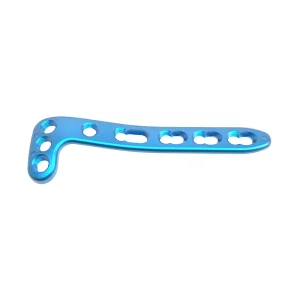
Best Proximal Medial Tibia Locking Compression Plate I Pricelist, Product
View Product Details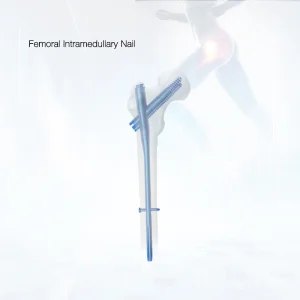
OEM Surgical Hospital Use InterZan Titanium Interlocking Nail for Femur Supplier, Factories
View Product Details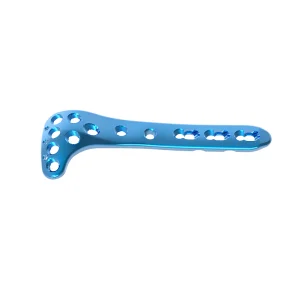
Custom Proximal Lateral Tibia Locking Compression Plate IV Supplier, Suppliers
View Product Details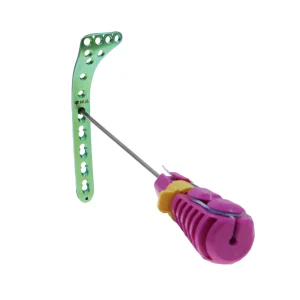
CE Certification CE Approved Hospital Use All Suture Anchor Titanium With Needle
View Product Details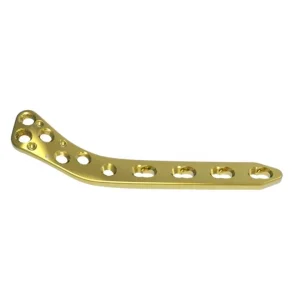
OEM Proximal Lateral Tibia Locking Compression Plate Supplier, Factories
View Product Details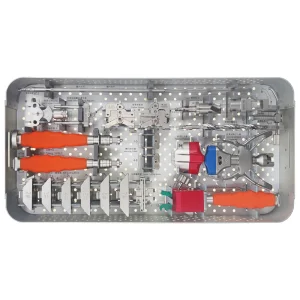
ODM New design quality guaranteed total knee joint instruments Manufacturer, Exporter
View Product Details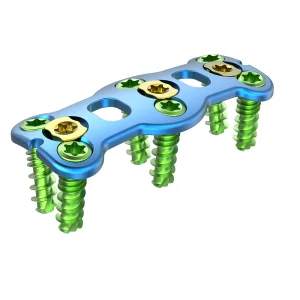
CE Certification High quality Orthopedic Cervical Shielder ACP Plate System Manufacturer
View Product Details