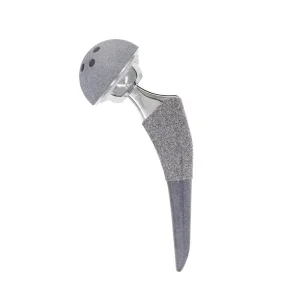
Featured Orthopedic Systems: Primary Platform Portfolio
Certified Grade 5 Titanium (Ti-6Al-4V ELI) and Cobalt-Chrome clinical implants engineered for high fatigue endurance, anatomical accuracy, and direct OR delivery.

OEM InterZan Titanium Interlocking Nail for Femur
Procurement Specs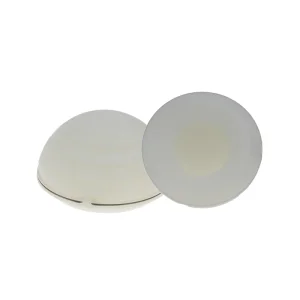
TDC Cemented Acetabular Cup Hip Joint Prosthesis
Procurement Specs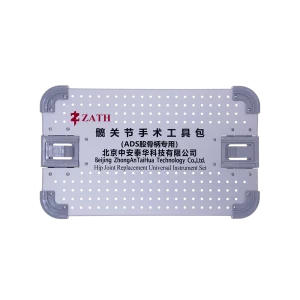
ADS Total Hip Replacement Surgical Instrument Set
Procurement Specs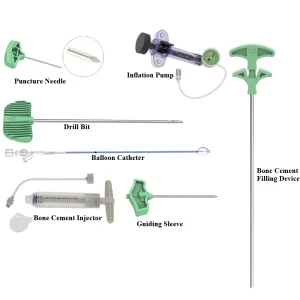
PKP Kyphoplasty Vertebroplasty Precision Instrument Kit
Procurement Specs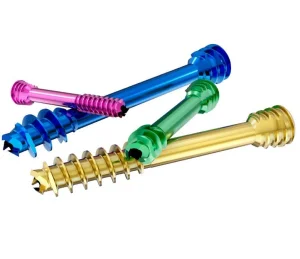
Double-Threaded Cannulated Compression Screws
Procurement Specs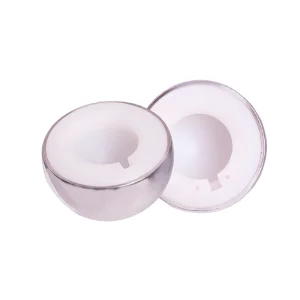
FDAH Bipolar Acetabular Cup Hip Prosthetic System
Procurement Specs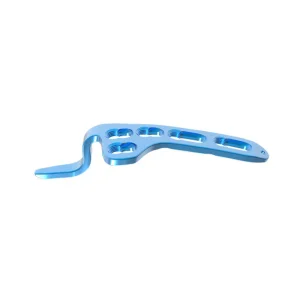
Clavicle Hook Locking Compression Plate (LCP)
Procurement Specs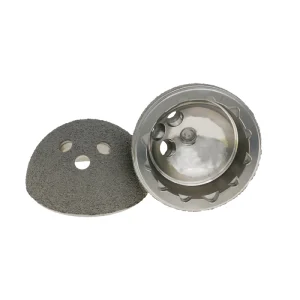
ADC Acetabular Cup Orthopedic Surgical Tooling
Procurement SpecsWholesale Price Architecture for Tibia Locking Titanium Plates
Understanding the raw material, 5-axis CNC micro-machining, passivation, and cleanroom packaging cost variables driving global factory quotes.
Substrate Metallurgy & Purity
Factory floor pricing starts with medical-grade Ti-6Al-4V ELI (ASTM F136 / ISO 5832-3). Virgin billet sourcing, ultrasonic flaw detection, and gas content analysis (O, N, H, Fe) define the initial base cost prior to machining, insulating healthcare buyers against catastrophic premature cyclic plate shearing.
5-Axis Micro-CNC Tooling
Tibia locking plates feature complex anatomical compound curves (distal medial, anterolateral, proximal lateral). Machining requires multi-axis toolpaths with thread-tapping for combi-holes within ±0.01mm tolerance. Higher tooling speeds and zero-burr surface milling decrease unit production time while preserving thread integrity.
Anodization & Cleanroom Batching
Electrochemical Type II anodization stabilizes surface biocompatibility and reduces micro-fretting corrosion between the plate hole and locking screw head. ISO Class 100,000 cleanroom packaging in double-barrier Tyvek pouches directly impacts final OEM wholesale export quotes.
Localized Clinical Scenarios & Anatomical Adaptations
Bridging anatomical morphology variances across Latin American, European, Middle Eastern, and Asian patient cohorts with pre-contoured internal fixation implants.
Proximal Tibia Plateau (Schatzker I-VI)
Lateral and medial proximal tibia locking systems provide fixed-angle stability in osteoporotic bone. Subchondral raft screw configurations counteract secondary articular subsidence, while low-profile plate heads resolve soft-tissue envelope irritation around the pes anserinus and fibular head.
Tibia Diaphyseal High-Energy Trauma
Used in bridge-plating configurations when reamed intramedullary nailing is contraindicated—such as severe canal stenosis, multi-segmental comminution, or proximal shaft fractures. The limited-contact design preserves the periosteal vascular network to accelerate biological callus formation.
Distal Medial Tibia & Pilon (AO/OTA 43)
Pilon fractures require anatomically pre-contoured distal medial plates that wrap along the medial malleolus. Low implant profiles prevent surgical wound dehiscence across tense anterior-medial skin flaps, accommodating multi-directional distal locking screws to securely capture fragile metaphyseal articular fragments.
Chinese Factory Supply Chain Resilience & Efficiency
Mitigating geopolitical logistics risks through integrated manufacturing clusters, high CNC capacity, and automated warehouse inventory control.
Integrated Titanium Industrial Hubs
China houses concentrated titanium refining and machining corridors, reducing raw material transport overhead. High-yield wire cutting, multi-axis Swiss-lathe processing, and automated electrolytic polishing run on uninterrupted utility grids, enabling our plant to maintain reliable factory-direct pricing despite macro volatility.
Agile Tooling & High-Volume Throughput
Our Beijing production base houses advanced multi-axis CNC machines capable of switching setups within hours. Whether fulfilling localized OEM batches for European distributors or supplying national tender containers across Southeast Asia and Africa, delivery timelines are compressed to 4–6 days via express air freight or scheduled sea lanes.
Rigorous QA Traceability Architecture
Every batch of raw titanium bar receives spectroscopic and tensile verification prior to slicing. Dimensional tolerances, screw hole threads, and laser-etched UDI markings are cross-audited on CMM equipment. This end-to-end transparency prevents supplier defect disputes and streamlines in-hospital traceability.
Global Orthopedic Fixation Commercial Landscape
Evaluating multinational distributor shifts from premium conglomerate pricing models toward high-compliance direct factory partnerships.
Hospital DRG/VBP Reimbursement Pressures
Global national health schemes (e.g., NHS, Medicare DRG, China Volume-Based Procurement) are curbing surgical device margins. Orthopedic networks can no longer support 300%+ distributor markups from legacy Western suppliers, accelerating the migration to high-precision ISO 13485 direct manufacturers offering comparable clinical efficacy.
Private Labeling (OEM/ODM) Expansion
Regional orthopedic distributors in South America, Eastern Europe, and the Middle East are establishing proprietary surgical brands. By sourcing directly from Beijing manufacturing hubs, these enterprises acquire customized laser-marked titanium plates, sterile packaging, and localized dossiers, securing domestic brand equity.
Complete Instrumentation Parity
Implant systems require reliable surgical drivers, depth gauges, drill guides, and reduction forceps. Tier-one Chinese manufacturers ship plates bundled with modular, autoclave-ready stainless steel and carbon-fiber instrument trays, lowering hospital operational barriers without compounding instrument set fees.
Trauma Fixation Technology Roadmap & Future Outlook
Tracking the transition from conventional rigid locking constructs toward bio-mimetic stiffness, 3D additive manufacturing, and resorbable technologies.
Polyaxial Variable Locking
Transitioning from fixed-angle monaxial holes to variable-angle (±15°) threaded combi-holes, giving surgeons intraoperative trajectory freedom to capture complex comminuted fragments without sacrificing angular stability.
EBM/SLM 3D Titanium Printing
Implementing Electron Beam Melting for patient-matched tibial reconstruction plates. Integrated trabecular porous zones promote osseointegration across severe metaphyseal bone defects and segmental non-unions.
Bio-Active Antibacterial Coatings
Developing micro-arc oxidation (MAO) surfaces infused with silver/zinc nanoparticles and antibiotic-eluting matrices, directly curbing hospital-acquired surgical site infections (SSI) in open Gustilo-Anderson fractures.
Bioresorbable Magnesium Hybrids
Researching magnesium-alloy degradable hybrid plates for low-load secondary osteotomies, systematically eliminating hardware-removal procedures while releasing osteogenic magnesium ions during natural bone turnover.
Localized Regulatory Support & Compliance Safeguards
Full-spectrum technical files, biocompatibility validation, and factory audit transparency to expedite clearance through local health authorities.
ISO 13485 & Free Sale Certificates
We back all export clients with ISO 13485 quality credentials, UDEM certification records, and notarized Chinese Free Sale Certificates (FSC) to facilitate seamless tender qualification across regional health ministries.
CTD Dossier Technical Documentation
Registration dossiers include mechanical test reports (ASTM F382 4-point bending & dynamic fatigue cycle data), ISO 10993 cytotoxicity and sensitization profiles, accelerated aging packaging shelf-life metrics, and validated EtO sterilization reports.
Full UDI Traceability & Private Labeling
Laser marking complies with GS1/UDI specifications, enabling direct barcode and data matrix readability in operating theaters. Customized branding encompasses external box typography, IFU language adaptation, and sterile batch integrity seals.
Frequently Asked B2B Sourcing Questions (FAQ)
Essential answers on metallurgical tolerances, MOQ scales, sample shipments, and custom plate manufacturing.
What factors most influence wholesale quotes for tibia locking plates?
Can we procure matching surgical instruments alongside plates and screws?
What are your minimum order quantity (MOQ) and sample evaluation policies?
How does your factory ensure biomechanical fatigue safety on curved tibia plates?
Do you support full OEM private label registration support for international tenders?
Featured Orthopedic Systems: Specialized Trauma & Reconstruction
High-precision lower-limb internal fixation plates, interlocking femoral devices, sports medicine anchors, and specialized reconstructive tooling.
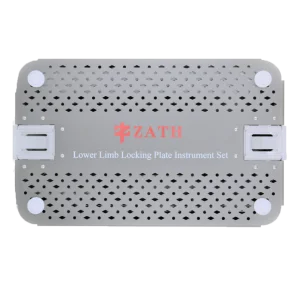
Lower Limb Locking Plate Specialized Instrument Set
Procurement Specs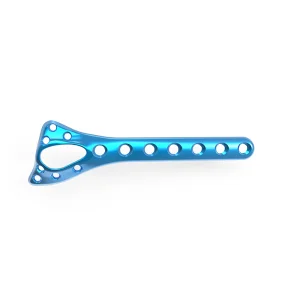
DDR Locking Compression Plate (Distal Radius/Tibia)
Procurement Specs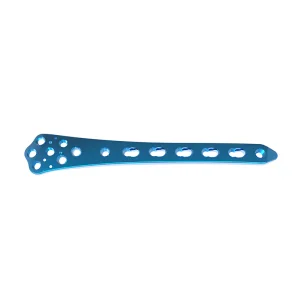
Distal Lateral Femur Locking Compression Plate
Procurement Specs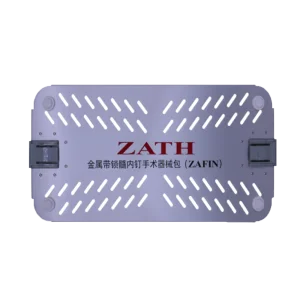
ZAFIN Femoral Interlocking Nail Surgical Tool Kit
Procurement Specs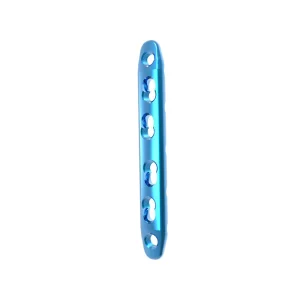
Humerus Limited Contact Locking Compression Plate
Procurement Specs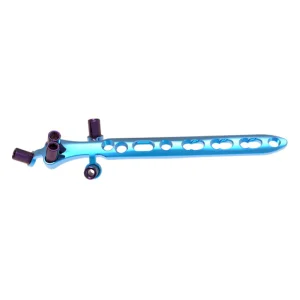
Proximal Ulna ISC Locking Compression Plate Type I
Procurement Specs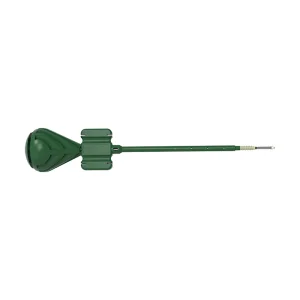
SuperFix P Knotless Suture Anchor System
Procurement Specs