
Featured Precision Orthopedic Systems & Implants
Explore our CE-approved trauma, joint reconstruction, and spinal product assemblies engineered for optimal biocompatibility and surgical efficiency.
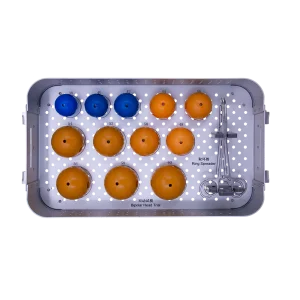
Famous Orthopedic Implant Human Use Bipolar Hip Instrument Set Suppliers, Exporter
Request Instrument Specs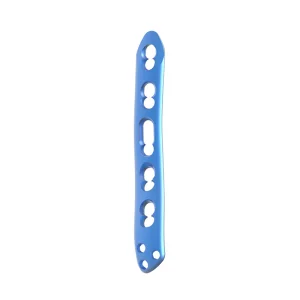
Buy Distal Medial Humerus Locking Compression Plate Factory, Exporters
Download CAD & Quote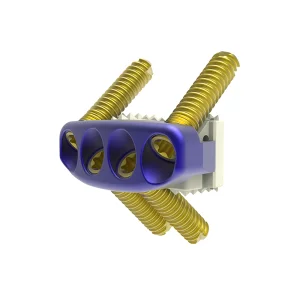
Buy ZP Cervical Cage Manufacturer CE FSC ISO Insured Supplier Exporter, Company
Inquire Regulatory File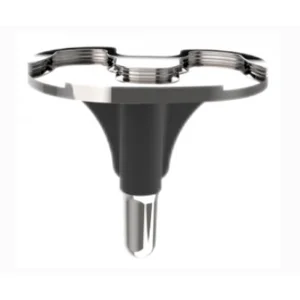
Buy Enable Tibial Baseplate for Knee Replacement Joint Implants Quotes, Product
Get Knee System Quote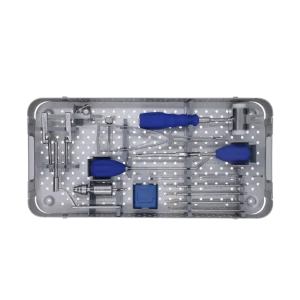
ODM High Quality ZP Cage Instrument Set Manufacturer, Manufacturers
Configure Surgical Kit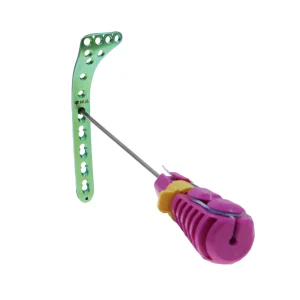
CE Certification CE Approved Hospital Use All Suture Anchor Titanium With Needle Factory, Companies
Procure Suture Anchors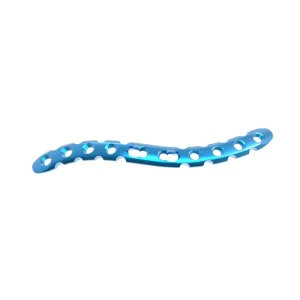
Wholesale Clavicle Reconstruction Locking Compression Plate Supplier, Exporters
Bulk Plate Pricing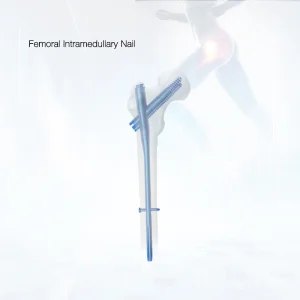
OEM Surgical Hospital Use InterZan Titanium Interlocking Nail for Femur Supplier, Factories
Request OEM Nail TenderThe Global Commercial & Industrial Status of "Chiodo Titanio Femore"
Evaluating internal fixation trends, titanium metallurgical shifts, and clinical demand across Europe, Latin America, and emerging markets.
The global orthopedic trauma fixation sector is experiencing a sustained paradigm evolution. In clinical terminology across Southern Europe and Latin America, the designation "Chiodo Titanio Femore" represents the benchmark standard for treating complex proximal, diaphyseal, and distal femoral fractures. With the rapid acceleration of an aging global demographic coupled with sustained high-velocity vehicular trauma in developing regions, the worldwide annual volume of femoral osteosynthetic interventions exceeds 2.8 million procedures. Femoral neck, pertrochanteric (AO/OTA 31-A), and subtrochanteric fractures constitute over 58% of this clinical volume, presenting severe morbidity risks if early weight-bearing mobilization is not restored.
Historically, stainless steel (316L/ASTM F138) dominated intramedullary manufacturing. However, modern surgical protocols universally prioritize Grade 5 Titanium Alloy (Ti6Al4V ELI - Extra Low Interstitial, ASTM F136 / ISO 5832-3). Biomechanically, the Young’s modulus of elasticity of Ti6Al4V ELI (~110 GPa) is significantly closer to human cortical bone (~18-20 GPa) compared to stainless steel (~210 GPa). This marked reduction in elastic modulus mitigates stress shielding, encourages dynamic axial micro-motion conducive to early secondary periosteal callus formation, and dramatically reduces instances of peri-implant refracture or hardware-induced osteopenia post-consolidation.
Demographic Catalysts
Geriatric osteoporosis-related proximal femoral fractures (intertrochanteric and subtrochanteric) require cephalomedullary nails with dynamic helical blades or integrated dual lag screws to resist rotational torque and cut-out.
- High cut-out resistance in low-density trabecular bone
- Minimal surgical exposure reducing soft tissue trauma
- Targeted fluoroscopy-guided distal locking targeting systems
Supply Chain Rationalization
Hospital purchasing groups (GPOs) and national health ministries (e.g., NHS in the UK, CONSIP in Italy, SUS in Brazil) are actively decoupling from legacy Western multinational monopolies to lower procurement budgets by 30-45%.
- Direct Tier-1 manufacturer vendor qualification
- Transparent pricelist indexation tied to production lots
- Consolidated instrument sets fitting multiple nail radii (R1.5m to R2.0m)
Regulatory Modernization
The enforcement of European Medical Device Regulation (MDR 2017/745) has eliminated grandfathered legacy approvals. Importers demand stringent Notified Body surveillance, Post-Market Clinical Follow-up (PMCF), and full ISO 13485:2016 auditability.
- Mandatory ISO 10993 cytotoxicity and genotoxicity validation
- ASTM F383/ISO 15374 cyclic dynamic fatigue test protocols
- Complete raw material traceability back to titanium melt ingots
Clinical Performance Imperative: Intramedullary Load-Sharing
Unlike lateral extramedullary plating (which functions via eccentric load-bearing subject to massive bending moments and risk of plate fatigue fracture), an intramedullary nail (Chiodo Endomidollare) occupies the central neutral axis of the femur. This mechanical positioning drastically shortens the lever arm, transmitting axial patient weight directly through the longitudinal canal. For comminuted shaft fractures (AO/OTA 32), antegrade titanium interlocking nails preserve the osteogenic periosteal hematoma, accelerate primary bridging, and facilitate earlier patient ambulation.
CE Certification Protocol & Quality Engineering Rigor
Deep dive into Technical Documentation (Annex II/III), mechanical fatigue thresholds, and sterile barrier system validation for Class IIb long-term surgically invasive implants.
Classification & Rule 8 MDR
Under EU MDR 2017/745 Chapter III Annex VIII, femoral intramedullary nails are categorized as Class IIb surgically invasive devices intended for long-term use (>30 days). Achieving and maintaining CE certification necessitates:
- Notified Body design dossier reviews (UDEM, TÜV, BSI, DNV)
- Clinical Evaluation Reports (CER) compliant with MEDDEV 2.7/1 Rev 4
- Post-Market Clinical Follow-up (PMCF) registries recording zero implant failures
Dynamic Mechanical Fatigue
Femoral nails undergo severe cyclic loading during daily gait cycles. ZATH specimens undergo exhaustive mechanical verification adhering to ASTM F383, ASTM F543, and ISO 15374:
- 5,000,000 dynamic bending cycles at 5 Hz with 1,800N apex load
- Static 4-point bending tests determining structural yield strength > 125 Nm
- Torsional rigidity and locking screw shear strength verification exceeding clinical limits
Sterility Assurance & ISO 11607
Direct supply of gamma-irradiated or ethylene oxide (EtO) sterilized units in rigid double-blister Tyvek packaging ensures maximum operating theater safety and zero hospital sterilization lag:
- Sterility Assurance Level (SAL) validated to 10⁻⁶ per ISO 11137
- 5-year shelf-life accelerated aging validation (ASTM F1980)
- ISO Class 7 and Class 8 controlled cleanroom packaging environments
Factory Efficiency, Supply Chain Density & Production Superiority
How Beijing ZhongAnTaiHua Technology Co., Ltd. (ZATH) delivers high-precision implants at competitive wholesale costs without engineering compromise.
Over the past fifteen years, China’s medical device industrial clusters have transformed from basic subcomponent fabricators into global powerhouses of ultra-high-precision multi-axis orthopedic manufacturing. Founded in 2009 in the Pinggu Park of the Zhongguancun Science and Technology Park in Beijing, Beijing ZhongAnTaiHua Technology Co., Ltd. (ZATH) epitomizes this advanced industrial evolution. Operating across a state-of-the-art facility staffed by over 300 experienced professionals—including nearly 100 dedicated orthopedic senior engineering technicians—ZATH integrates vertical in-house manufacturing from raw titanium bar qualification to finished, sterile-packed assemblies.
The efficiency of the Chinese orthopedic manufacturing model is rooted in three core industrial pillars:
Multi-Axis Swiss CNC Lathes
Production employs Japanese STAR and Citizen 7-axis to 9-axis sliding-head CNC turning centers. Cannulated deep-hole drilling for femoral nails is maintained with concentricity tolerances below ±0.03mm over 420mm shaft lengths.
Integrated Supply Clustering
From aerospace-certified Ti6Al4V ELI ingot smelting and vacuum arc remelting (VAR) in Shaanxi to precision electrochemical polishing and color anodization in Beijing, domestic supply chain integration reduces cycle times by 65%.
Economies of Scale & Yield
Large-batch production schedules running 24/7 automated shifts yield exceptional scrap reduction (< 0.8% rejection rate). This operational lean efficiency translates directly into wholesale cost savings for international distributors.
Localized Clinical Application Scenarios: Femoral Fractures
Matching implant anatomy, entry portal geometry, and interlocking screw vectors to AO/OTA fracture classifications for optimal surgical outcomes.
Trochanteric & Pertrochanteric (AO 31-A1, A2)
Short Cephalomedullary Nails (PFN) with a 4° lateral valgus bend facilitate insertion through the tip of the greater trochanter. Dual-screw or integrated helical blade configurations eliminate the Z-effect and prevent medial migration into the acetabulum.
Subtrochanteric Fractures (AO 31-A3, 32-A/B)
Long Titanium Femoral Nails (340mm–440mm) engineered with an anatomical bow (radius of curvature R=1.5m to 2.0m) accommodate the natural anterior femoral bow. Static distal interlocking with two multi-directional locking bolts resists intense deforming rotational muscular forces.
Diaphyseal Shaft Trauma (AO 32-A/B/C)
Reamed antegrade or retrograde femoral nailing. The canulated core enables guide-wire guided insertion post-flexible reaming. Cannulated fluting enhances reaming debris clearance and accelerates medullary revascularization, stimulating endosteal healing.
Distal Supracondylar Fractures (AO 33-A, C1/C2)
Retrograde Femoral Nails inserted through an intra-articular intercondylar notch entry portal. Multiple distal locking screws positioned close to the subchondral bone guarantee rigid fixation in complex osteoporotic or peri-prosthetic knee situations.
Global Industry Development Trends: What Lies Ahead
Examining next-generation advancements in carbon-PEEK composites, additive manufacturing, dynamic telemetric sensors, and radiation-reducing navigation.
3D Electron Beam Melting (EBM) Surfaces
Selective 3D titanium additive manufacturing allows porous trabecular surfaces (pore size 400–600 μm) on the proximal lateral contact zones of femoral nails. This micro-architecture facilitates direct osseointegration, preventing long-term nail toggling in revision cases.
Radiolucent Carbon-PEEK Aiming Outriggers
Traditional metal carbon-steel aiming jigs obscure anatomical landmarks under C-arm fluoroscopy. Next-gen instrument kits incorporate aircraft-grade carbon fiber targeting arms that offer 100% radiolucency, shortening distal locking screw placement by up to 14 minutes per surgery.
Smart Sensor Telemetry & Biodegradables
R&D is progressing toward integrating passive RFID strain gauges within intramedullary nail cannulations to non-invasively monitor bone healing in real time, alongside bioresorbable magnesium-alloy locking screws that reduce secondary hardware removal interventions.
Direct Factory B2B Pricelist: Titanium Femoral Systems
Tiered commercial pricing structure for CE-marked sterile-packaged femoral nails, reconstructed screws, and matching surgical instrument sets.
Procuring orthopedic implants on the global market requires navigating substantial cost variances between multinational conglomerates and high-compliance Tier-1 Chinese manufacturers. ZATH eliminates distributor markups by providing direct FOB/CIF volume-indexed price schedules. Every unit is manufactured from certified Ti6Al4V ELI (ASTM F136), supplied with material test certificates, laser lot serialization, and optional sterile double-blister barrier packaging.
| Component Description | Material Specification | Sample / Small Lot (<50 pcs) | Distributor Tier (100–499 pcs) | Wholesale / Tender (500+ pcs) | Sterility & Packaging |
|---|---|---|---|---|---|
| Proximal Femoral Nail (PFN - Short) Length: 170–240mm; Dia: 9–12mm |
Ti6Al4V ELI (ASTM F136) | $145.00 / pc | $92.00 / pc | $68.00 / pc | Sterile Double Blister / Clean Non-Sterile |
| Long Cephalomedullary Femoral Nail Length: 340–440mm; Left/Right Bow R1.5m |
Ti6Al4V ELI (ASTM F136) | $185.00 / pc | $118.00 / pc | $89.00 / pc | Sterile Double Blister / Clean Non-Sterile |
| Standard Antegrade/Retrograde Femur Nail Multidrive distal lock holes, cannulated |
Ti6Al4V ELI (ASTM F136) | $160.00 / pc | $98.00 / pc | $74.00 / pc | Sterile Double Blister / Clean Non-Sterile |
| Lag Screw / Reconstructed Blade Dia: 10.5mm; Length: 70–125mm |
Ti6Al4V ELI (ASTM F136) | $38.00 / pc | $24.00 / pc | $16.50 / pc | Medical Tyvek Pouch / Blister |
| Distal Locking Screws (Fully Threaded) Dia: 4.0mm / 4.5mm / 5.0mm; L: 20–100mm |
Ti6Al4V ELI (ASTM F136) | $14.00 / pc | $8.50 / pc | $5.80 / pc | Color Anodized, Sterile Ready |
| End Cap / Extension Cap Sizes: 0mm, +5mm, +10mm, +15mm |
Ti6Al4V ELI (ASTM F136) | $18.00 / pc | $11.00 / pc | $7.50 / pc | Individually Sealed |
| Complete Dedicated Instrument Set Radiolucent Carbon Jig, Reamers, Extractors |
Surg-Grade 17-4PH / Carbon / Ti | $2,800.00 / set | $1,950.00 / set | $1,350.00 / set* | Autoclavable Aluminum Sterilization Box |
*Note: Dedicated instrument sets are provided on a complimentary consignment basis for long-term distributor contracts exceeding 300 nail assemblies per annum. Standard shipping via DHL/FedEx priority takes 4–6 business days worldwide.
Turnkey OEM/ODM Engineering & Global Tender Support
Empowering regional distributors and medical brand owners with custom implant manufacturing, rapid private labeling, and complete regulatory dossiers.
Custom Design & CAD/CAM Rapid Prototyping
Our R&D engineering hub collaborates directly with regional KOL surgeons and distributors to adjust anatomical nail dimensions, curvature radius, anteversion angles (125°, 130°, 135°), and specialized thread pitches. Initial functional prototypes are produced within 10 business days.
Private Labeling & Customized Packaging
Complete brand white-labeling solutions including ultra-clean high-resolution fiber laser marking (distributor logo, 2D DataMatrix Unique Device Identification - UDI, lot code), custom multilingual IFUs, and customized retail or sterile outer carton graphics matching national branding guidelines.
Tender Dossier & Registration Assistance
Securing public healthcare hospital tenders demands extensive documentation. ZATH supplies qualified distributors with complete Technical Files, Risk Management Files (ISO 14971), Free Sale Certificates (FSC), Biocompatibility Summary Test Reports, and Notified Body ISO 13485 audit reports.
Frequently Asked Questions (FAQ) for Hospital & B2B Buyers
In-depth technical answers addressing regulatory verification, mechanical properties, packaging safety, and international shipping terms.
1. What exact titanium grade is used for the Chiodo Titanio Femore?
All ZATH femoral intramedullary nails, lag screws, and locking bolts are manufactured from Ti6Al4V ELI (Grade 23 / Extra Low Interstitial) conforming strictly to ASTM F136 and ISO 5832-3. This material offers an ultimate tensile strength exceeding 860 MPa and yield strength > 790 MPa, providing superior biocompatibility, low notch sensitivity, and high cyclic fatigue resistance.
2. How does ZATH guarantee compliance under EU MDR 2017/745?
ZATH maintains an audited ISO 13485:2016 quality management system certified by accredited European Notified Bodies. Our Technical Documentation for Class IIb implants contains exhaustive Clinical Evaluation Reports (CER), biological evaluation dossiers per ISO 10993, process validation records, and Post-Market Surveillance (PMS) plans necessary for seamless CE clearance.
3. Are implants supplied pre-sterilized, and what is the shelf life?
Yes. Implants can be procured in either clean non-sterile bulk packaging or pre-sterilized in ISO Class 7 cleanrooms utilizing double-layer PETG blister trays sealed with breathable medical DuPont Tyvek lids. Gamma-sterilized or EtO-sterilized products carry a validated 5-year sterile shelf life conforming to ISO 11607-1/2 and ASTM F1980.
4. What are the Minimum Order Quantities (MOQ) for OEM/ODM orders?
For standard catalog inventory under the ZATH brand, our MOQ is as low as 10 pieces across mixed sizes to facilitate evaluation. For customized OEM private-label branding (laser marking, custom packaging, and specific regional dimensional adjustments), our standard production batch MOQ is 100 units per nail family, backed by competitive bulk discounts.
5. Can one surgical instrument set service both PFN and Long Femoral Nails?
Yes. ZATH’s universal femoral instrument platform features a modular targeting assembly. By interchanging the proximal aiming arm, the same surgical instrumentation tray supports insertion, distal freehand or targeting guidance, reaming, and extraction for both short trochanteric nails and long anatomical femoral intramedullary nails, saving hospital sterilization and inventory costs.
6. What are the lead times and express shipping options?
Standard inventory specifications are dispatched from our Beijing logistics hub within 48 to 72 hours via international priority carriers (DHL Express, FedEx, UPS, TNT). Delivery to major European, Latin American, or Middle Eastern airports averages 4 to 6 business days. Large maritime bulk shipments (FOB/CIF) are coordinated via Tianjin Port.
7. How does the nail address femoral bow mismatch in patient populations?
Femoral anatomy varies across global populations; for example, Asian and Hispanic demographics frequently exhibit an increased anterior femoral radius of curvature compared to Caucasian cohorts. ZATH manufactures long femoral nails with selectable radius options (R=1.5m and R=2.0m) to eliminate anterior cortical impingement or distal penetration during nail advancement.
8. Does ZATH provide distributor exclusivity in specified regions?
Yes. Exclusive territorial distribution agreements are granted to qualified partners who commit to minimum annual procurement volumes and possess documented regional hospital sales networks. In return, ZATH provides full tender protection, dedicated engineering assistance, customized product lines, and co-op marketing support.
Extended Surgical Catalog & Specialized Implants
Explore our full line of intramedullary nails, hip revision stems, locking compression plates, pelvic reconstruction systems, and spinal endoscopy solutions.
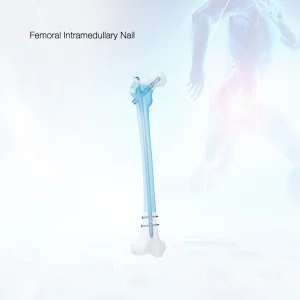
Cheap Surgical Orthopedic Implant Titanium ZAFIN Intramedullary Nail Pricelist, Exporters
Download ZAFIN Pricelist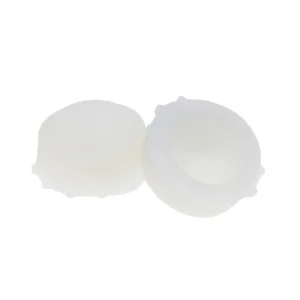
High-Quality Hip Joint ADC Acetabular Liner Manufacturer, Supplier
Inquire Liner Options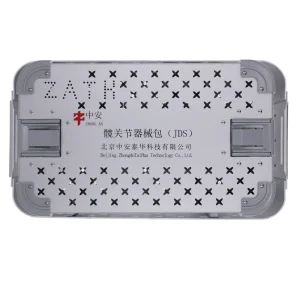
Custom ZATH Orthopedic JDS Stem Hip Revision Instruments Implant Factory, Pricelist
Get Revision Stem Quote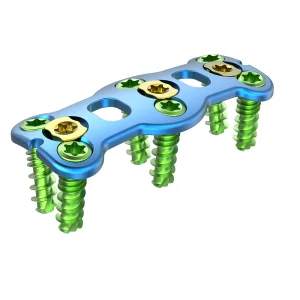
CE Certification High quality Orthopedic Cervical Shielder ACP Plate System Manufacturer, Suppliers
ACP Plate System Details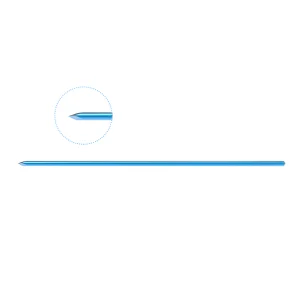
Best Titanium Alloy Orthopedic Bone Pin Factories, Company
Bulk Pin Inventory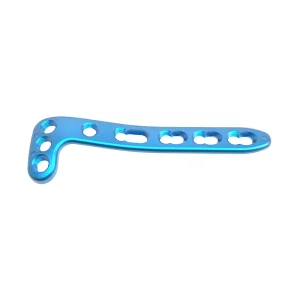
Best Proximal Medial Tibia Locking Compression Plate I Pricelist, Product
Request Tibia LCP Quote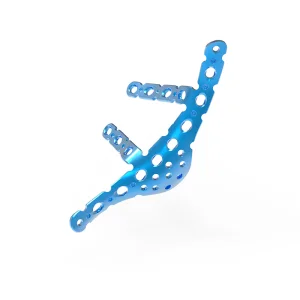
Custom Winged Pelvis Reconstruction Locking Compression Plate Factories, Exporter
Pelvic System Specs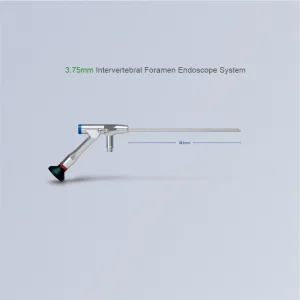
CE Certification 3.75mm Intervertebral Foramen Endoscope System Manufacturer, Exporter
Endoscope System InquiriesPartner with Beijing ZhongAnTaiHua Technology Co., Ltd. (ZATH)
Access direct factory wholesale pricing, request a complimentary surgical instrument set evaluation, or receive complete CE MDR regulatory documentation for hospital tender qualification.