Clinical Platforms (Part I)
Primary Fixation & Prosthetic Components
Explore high-precision implant systems engineered for orthopaedic trauma, joint reconstruction, and minimally invasive sports medicine procedures.
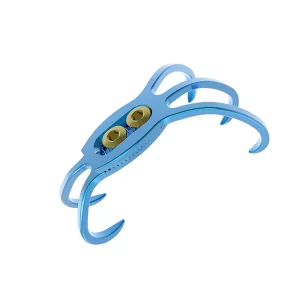
Patella Claw S M L Patella Bone Fracture Fixation Solution
View Product Details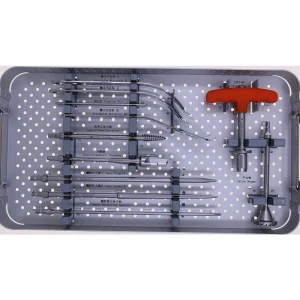
CE Approved Orthopedic THA Hip Instrument Set Femoral Part
View Product Details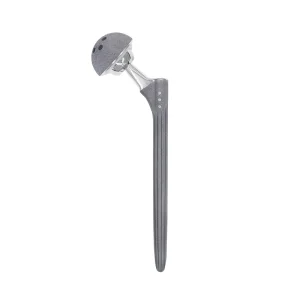
DDS Titanium Hip and Joint Implant Arthroplasty Prosthesis
View Product Details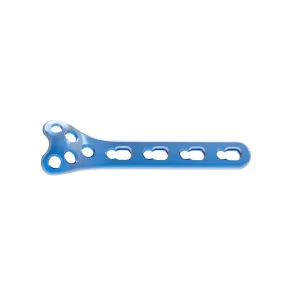
Anatomical Radial Head Locking Compression Plate (LCP)
View Product Details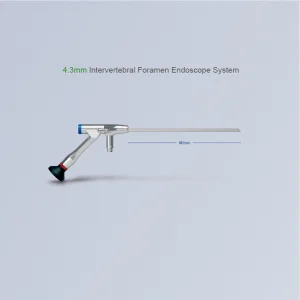
4.3mm Spinal Intervertebral Foramen Endoscope System
View Product Details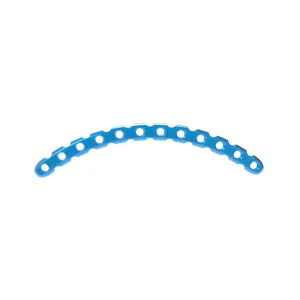
Custom Curved Pelvic & Long-Bone Reconstruction Locking Plate
View Product Details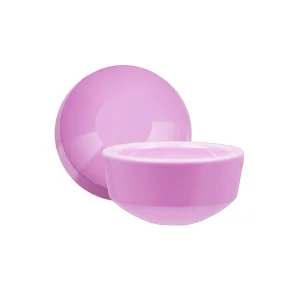
Biolox-Delta Grade CDC Ceramic Acetabular Liner Prosthesis
View Product Details
Material Science & Biomechanical Integrity
Engineering Superiority in Custom Plates & Screws
Internal fixation biomechanics demand absolute harmony between elastic modulus, fatigue resistance, and biological inertness. Our customized osteosynthesis hardware solves secondary displacement and peri-implant stress shielding.
Ti6Al4V ELI & Bio-Grade Steels
Fabricated exclusively from vacuum-arc remelted Grade 23 Ti-6Al-4V ELI (ASTM F136) and 316LVM implant stainless steel (ASTM F138). Our raw ingots undergo ultrasonic non-destructive testing (NDT) to prevent microscopic grain defects.
ISO 5832-3 Metallurgical StandardVariable-Angle Polyaxial Locking
Combines combi-holes accepting both standard dynamic compression cortical screws and multi-axial angle-stable locking screws (±15° cone). Thread profiles are optimized with asymmetrical buttress geometries to double pull-out strength in osteoporotic bone.
Combi-Hole Dynamic CompressionType II Hard Anodization & Passivation
Electrolytic surface treatment eliminates toxic micro-debris, reduces soft-tissue adhesion, and improves cyclic fatigue limits by up to 34%. Validated by ASTM F1801 and ASTM F382 cyclic 4-point bending protocols over 1,000,000 cycles without plastic failure.
Anti-Galling Micro-Hardness
Future-Proof R&D Horizons
Technical Roadmap: Next-Gen Orthopaedic Implants
The fracture management paradigm is shifting from passive mechanical fixation to bio-responsive, intelligent osteosynthesis. Here is our technological roadmap toward 2030.
3D EBM Trabecular Porosity
Direct Metal Laser Sintering (DMLS) and Electron Beam Melting (EBM) generate micro-porous (60-70% porosity, 300-500μm pore size) surfaces resembling human cancellous bone, facilitating vascular ingrowth without hydroxyapatite delamination risks.
Direct OsseointegrationBioresorbable Magnesium-Zinc Alloys
Engineered Mg-Zn-Ca biodegradable fixation plates eliminating secondary removal surgeries. The degradation kinetics are calibrated to match native bone remodeling timelines while neutralizing local pH shifts via localized alkaline buffers.
Zero-Removal SurgeryTelemetry & Strain Smart Sensors
Passive RFID strain gauge sensors integrated into non-critical stress nodes of reconstruction plates. Surgeons can monitor fracture callus consolidation, non-union, and micro-strain load distribution telemetrically via non-invasive NFC scanners.
Smart Orthopaedic ImplantsNano-Silver Anti-Biofilm Coatings
Atomic Layer Deposition (ALD) of nanostructured silver and gentamicin doped layers delivering localized bactericidal efficacy against MRSA and Staphylococcus epidermidis without systemic antibiotic toxicity.
99.8% Biofilm Inhibition
Clinical Evidence & Macro-Healthcare Integration
Macro Solutions for Modern Healthcare Networks
Trauma departments, ambulatory surgery centers (ASCs), and military field hospitals require standardized modularity that reduces instrumentation trays while preventing surgical intraoperative errors.
Ambulatory Surgical Kits (ASC Ready)
Tailored sterile peel-pack systems configured with pre-bent anatomical radius, fibula, and clavicle plates with self-tapping cannulated cortical and locking screws. Decreases hospital autoclave logistics and reduces OR setup turnaround times by up to 45 minutes per trauma case.
Zero-Autoclave WorkflowSevere Trauma & Comminuted Deformities
Modular pelvic reconstruction plates, periarticular distal femoral locking systems, and proximal tibia osteotomy systems designed for complex multi-fragmentary trauma. Accommodates high bending moment forces during non-compliant patient weight-bearing phases.
High Yield Strength (Yield > 860 MPa)Universal Single-Driver Instrumentation
Cross-compatible StarDrive/Torx recess geometries that prevent screw head stripping at torques up to 4.5 Nm. One single ergonomic silicone handle and depth gauge interfaces across 2.7mm, 3.5mm, and 4.0mm locking configurations, eliminating OR tray sprawl.
Universal T8/T15/T20 Drive| System Category | Material Specification | Screw Diameter Range | Plate Thickness / Profile | Biomechanical Standard | Primary Clinical Applications |
|---|---|---|---|---|---|
| Small Fragment System | Ti6Al4V ELI (ASTM F136) | Ø2.4mm, Ø2.7mm, Ø3.5mm | 1.5mm - 2.8mm Low-profile | ASTM F382 / ISO 9585 | Radius, Ulna, Clavicle, Fibula, Ankle |
| Large Fragment System | 316LVM / Ti6Al4V ELI | Ø4.5mm, Ø5.0mm, Ø6.5mm | 3.8mm - 5.2mm Anatomical | ASTM F382 Cyclic 10^6 Cycles | Femoral Shaft, Distal Femur, Proximal Tibia |
| Mini & Hand Fracture | Medical Pure Titanium Gr 4 | Ø1.5mm, Ø2.0mm, Ø2.4mm | 0.8mm - 1.2mm Ultra-thin | ISO 5832-2 Certified | Phalangeal, Metacarpal, Mini Carpal |
| Curved Reconstruction | Ti6Al4V Annealed Soft-Hard | Ø3.5mm, Ø4.0mm Multi-hole | 2.4mm - 3.0mm Contourable | ISO 14630 General Req. | Pelvic Ring, Acetabular, Calcaneal |
Smart Manufacturing & Cost Leadership
China Industry 4.0: Resilience, Speed & Precision
Operating from Beijing’s Zhongguancun Science Park since 2009, ZATH leverages autonomous multi-axis Swiss-lathe processing, optical coordinate metrology, and deep supply chain vertical integration.
Nanometer Tolerance Swiss Machining
Our fleet of DMG MORI and Citizen 5-axis Swiss-turning CNC centers operates in climate-stabilized clean halls, holding dimensional tolerances within ±0.005mm. Every screw pitch, self-tapping flute, and internal hexalobular recess meets micron-level repeatability.
±0.005mm ToleranceAutomated Quality Assurance
Every single manufactured batch undergoes automated ZEISS 3D coordinate optical inspection, optical shadow-graph thread validation, and torque-to-failure testing. We eradicate human error before batch transfer to ultrasonic medical washing stations.
Zero-Defect PPM TargetRaw Ingot to Sterile Pack Control
Unlike assembly-only brands, ZATH controls raw material bar procurement, wire cutting, multi-axis milling, anodization, laser marking, Class 10,000 cleanroom packaging, and ethylene oxide (EO) / Gamma irradiation in an unbroken custody chain.
Full Vertical Integration
International Sourcing Operations
Global B2B Procurement & Custom RFQ Protocol
Whether you need private label OEM titanium plating sets, hospital tender bids, or customized anatomical geometry for niche markets, our engineering desk facilitates fast quote turnarounds and transparent scale pricing.
1. CAD / Step File Submission
Submit your 2D blueprints or 3D STEP/IGES CAD geometries. Our 100+ technical engineering department conducts DFM (Design for Manufacturability) analysis within 48 hours.
48h Engineering Review2. Cost Tiering & Prototyping
Transparent cost breakdown based on Ti Grade 23 or 316LVM stock, finishing (color anodizing, electropolish), laser etching, and sterile packaging. CNC prototyping dispatched within 7-10 days.
Rapid Functional Proto3. Pilot Validation & DHF Dossier
First Article Inspection Reports (FAIR), material melt certs, mechanical fatigue test results, and biosecurity bioburden documentation provided for client Design History Files (DHF).
Auditable Documentation4. Scaled Volume & Global Delivery
Dynamic container shipping or air express (DHL/FedEx/UPS/TNT) with 4-6 days typical delivery time. Buffer stock maintained for recurring hospital purchase orders and tenders.
Guaranteed Stock Buffer
Regulatory Shield
Worldwide Compliance: ISO 13485, CE & Free Sale Certificates
Entering international healthcare markets requires impenetrable technical dossiers. ZATH supports our distributors through regional registration, clinical evaluation reports, and accredited audits.
ISO 13485 & UDEM Validated QMS
Our quality management system is comprehensively accredited for orthopaedic implant design, cold machining, inspection, cleanroom packaging, and warehouse release. Annual third-party audits ensure persistent compliance.
International QMS RigorTechnical Dossiers & CER Support
We supply qualified distributors with complete technical documentation: raw material traceability sheets, biocompatibility records (ISO 10993), sterilization validation (ISO 11135 / ISO 11137), and stability shelf-life data.
Accelerated Market EntryFree Sale Certificates (FSC) & Legalization
Official governmental Free Sale Certificates and embassy legalization dossiers are expedited directly for Latin America, Southeast Asia, the Middle East, and Eastern European health ministries.
Global Tender Authorization
Expert Clarifications
Frequently Asked Questions by Procurement Teams
Comprehensive engineering, metallurgical, and supply-chain answers for orthopaedic procurement executives, hospital directors, and private label brand partners.
What materials are used in custom bone plates and screws?
Our custom plates and screws are primarily precision-machined from medical-grade Titanium Alloy Ti6Al4V ELI (Grade 23, ASTM F136 / ISO 5832-3) and implant-grade vacuum arc remelted Stainless Steel 316LVM (ASTM F138 / ISO 5832-1). For specialized micro-fracture hand systems, Commercially Pure Titanium (CP Ti Grade 4, ASTM F67) is utilized due to its superior ductile contourability without notch sensitivity.
How do locking plates differ mechanically from dynamic compression plates?
Dynamic Compression Plates (DCP) rely on the frictional interface between the plate underside and cortical bone created by screw torque. This friction can compress periosteal capillary beds, impairing blood supply. In contrast, Locking Compression Plates (LCP) create a fixed-angle construct where the threaded screw head locks directly into the plate hole. This transforms the plate into an internal fixator, preserving periosteal micro-circulation and providing superior angular stability in osteoporotic or comminuted fractures.
Can ZATH manufacture custom anatomical contours for private label brands?
Yes. We offer complete OEM/ODM engineering capabilities. Our facility can fabricate plates according to proprietary surgeon-designed 3D CT bone morphology databases, custom screw thread profiles, unique anodic colors, customized laser markings, and bespoke silicone-molded sterilization tray layouts tailored to your regional market.
What quality assurances ensure screws do not strip or fail at insertion?
Every screw batch undergoes ASTM F543 axial pull-out, torsional yield strength, and driving torque testing. Our precision CNC wire-EDM and milling ensure Torx (hexalobular) and internal hexagonal drive sockets withstand torsional moments exceeding 4.5 Nm—well above standard clinical insertion torques (1.5 - 2.5 Nm).
What are the minimum order quantities (MOQ) and production lead times?
For standard catalog plates and screws, we maintain ready stock with NO minimum order quantity and dispatch within 48 hours. For customized OEM/ODM profiles, initial prototype batches require an MOQ of 50-100 units depending on geometry, with production cycle times ranging between 3 to 4 weeks from approved design drawings.
How are sterile products packaged, and what is their validated shelf life?
All sterile-packed series are processed inside Class 10,000 (ISO Class 7) cleanrooms using medical-grade Tyvek blister packaging with dual sterile barriers. Validated under ISO 11607 and accelerated aging protocols, our sterile implants feature a certified shelf life of 5 years, complete with 2D DataMatrix GS1 UDI barcoding for hospital traceability.
Clinical Platforms (Part II)
Specialized Trauma, Spine & Reconstruction Implants
Review additional precision-manufactured implants and matching instrument kits engineered for anatomic reconstruction and complex joint trauma.
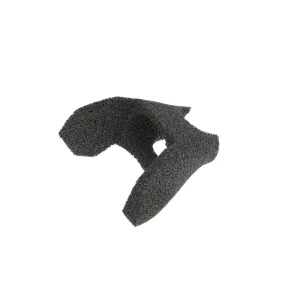
3D Printing Porous Titanium Knee Joint Sleeve Component
View Product Details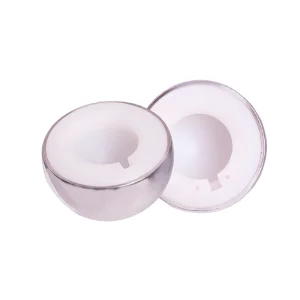
FDAH Medical Bipolar Acetabular Cup Prosthesis System
View Product Details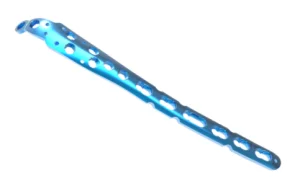
Anatomical Proximal Ulna Olecranon Locking Compression Plate
View Product Details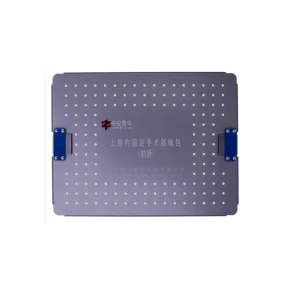
Thoracic Trauma Rib Locking Plate & Specialized Instrument Set
View Product Details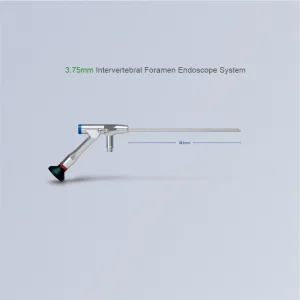
3.75mm CE Certified Intervertebral Foramen Endoscope System
View Product Details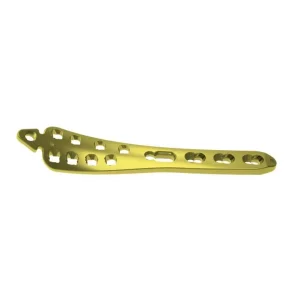
Distal Medial Tibia Locking Compression Plate II System
View Product Details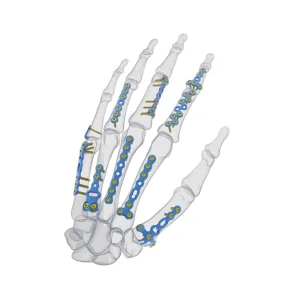
High-Precision Hand & Wrist Fracture Locking Plate System
View Product Details