
Precision Engineering Portfolio
Featured Orthopedic Implants & Systems (Part I)
Manufactured to ISO 13485:2016 standards. Designed for rigid anatomical reconstruction, rapid biological integration, and streamlined operating theater workflows.
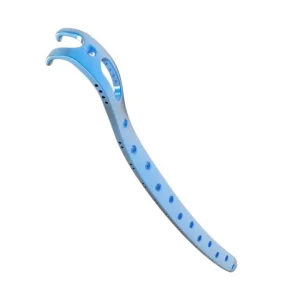
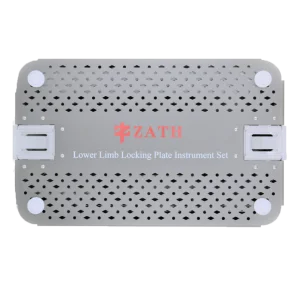

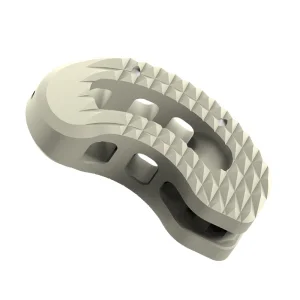
15+
Years Industry Focus
300+
Global Headcount
100≈
Technical Specialists
100%
Traceable Manufacturing
Clinical Biomechanics & Material Science
Macro Industry Solutions: Beyond Standard Internal Fixation
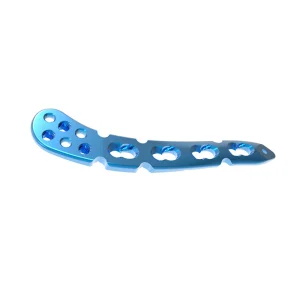
Internal fixation has undergone a profound paradigm shift over the past decade. Where conventional dynamic compression plates (DCP) relied entirely on plate-to-bone frictional resistance—often inducing periosteal devascularization and bone atrophy—modern implantes ortopedicos placas utilize angular stability via Locking Compression Plate (LCP) engineering.
Biological Osteosynthesis
Modern trauma surgery prioritizes blood supply preservation around fracture zones over rigid anatomical open reduction. Low-contact plate profiles (LC-DCP) and locked threaded screw-plate interfaces eliminate periosteal compression, significantly lowering pseudoarthrosis rates in comminuted metaphyseal and diaphyseal fractures.
Periosteal Sparing
Limited Contact
Callus Formation
Material Grade Compliance
Fracture fixation demands strict raw-material metallurgy. Premium manufacturers utilize Ti-6Al-4V ELI (ASTM F136 / ISO 5832-3) and medical-grade stainless steel (316LVM / ASTM F138). Titanium alloy delivers high fatigue resistance while providing an elastic modulus (110 GPa) closer to cortical bone than stainless steel (200 GPa), minimizing stress shielding.
Ti-6Al-4V ELI
316LVM
ISO 5832-3
Anatomical Pre-Contouring
Extensive clinical imaging databases allow high-precision 3D contouring of plates for specific anatomical sites—such as the distal lateral femur, distal clavicle, and proximal humerus. Pre-bent plates minimize intraoperative bending, which weakens metal fatigue life, while optimizing joint reduction under fluoroscopy.
Zero-Bend Logic
Fluoroscopy Matched
Multi-Axial Locking
Industry 4.0 Manufacturing Architecture
China Factory 4.0: Supply Chain Resilience & Cost Determinants
From raw titanium billet reception to ISO Class 7 cleanroom packaging, an integrated manufacturing hub eliminates contractor overhead and secures regulatory traceability for B2B importers.
Multi-Axis Swiss CNC Machining
Implantes ortopedicos placas demand extreme micro-tolerances. Dual-spindle 5-axis Swiss-type turning centers and high-speed CNC milling cells machine variable-angle combi-holes, sub-millimeter thread pitches, and scalloped edges with repeat tolerances below ±0.005mm.
Surface Treatment & Passivation
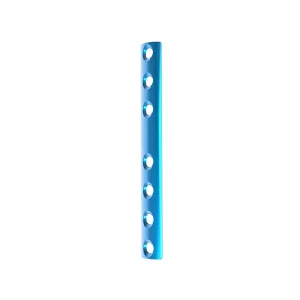
Every plate undergoes automated ultrasonic degreasing, electropolishing, and Class II electrochemical anodization. This creates an inert titanium dioxide (TiO2) layer that prevents metallic ion leach, improves biocompatibility, and provides color coding across anatomical systems.
Pricelist Dynamics & Sourcing Economics
Pricing for orthopedic plates varies based on raw material purity (ASTM F136 vs standard grade), hole configurations, and surface treatment. In-house tool design and integrated raw material inventory buffer tier-1 suppliers against global titanium pricing fluctuations, offering competitive landed costs.
| System Category | Material Standard | Biomechanical Feature | Typical MOQ | Wholesale Cost Driver |
|---|---|---|---|---|
| Distal / Proximal Locking Plates | Ti-6Al-4V ELI (ASTM F136) | Combi-holes (Dynamic + Threaded Locking) | 10–50 pcs | 5-Axis CNC Cycle Time, Anodization Quality |
| Mini Fragment Hand/Foot Plates | Grade 3/4 Pure Ti or Ti-Alloy | Ultra-thin low profile (1.0mm - 2.0mm) | 50 pcs | Micro-milling precision, Deburring accuracy |
| Reconstruction & Tubular Plates | 316LVM / Medical Grade Ti | High malleability for intraoperative contouring | 20 pcs | Bending-fatigue testing, Cold-work metallurgy |
| Orthopedic Instrument Sets | 17-4PH / Custom 455 Stainless | Quick-coupling AO handles, calibrated torque limiters | 1–5 sets | Torque limiter calibration, Passivation durability |
B2B Quality Engineering
Global Procurement Needs: Navigating Localized Compliance
Medical device importers in Latin America (COFEPRIS, ANVISA, INVIMA), Europe (EU MDR 2017/745), and the Middle East face complex registration processes. Choosing a manufacturing partner with turnkey compliance documentation reduces market authorization timeframes.
Technical Documentation
Full technical documentation in CTD format, including mechanical fatigue test reports (ASTM F382 for bone plates), biocompatibility evaluations (ISO 10993 series), and cleanroom validation data.
Traceability & Certificates
Complete traceability across every batch. Raw material mill test certificates accompany each shipment alongside Free Sale Certificates (FSC) and valid ISO 13485:2016 declarations.
Sterile-Barrier Packaging
ISO 11607-compliant double-sterile blister packaging with medical Tyvek seals. Sterile packaging reduces hospital sterilization turnaround time while maintaining a 5-year validated shelf life.
OEM / ODM White-Labeling
Custom laser-etching of catalogs, Lot numbers, 2D Data Matrix codes for UDI compliance, and tailor-made instrument sets adapted to regional surgeon preferences.
Innovation Trajectory
Technical Roadmap & Future Outlook (2025–2030)
The orthopedic internal fixation sector is advancing toward patient-specific solutions, active bio-interfaces, and smart degradation profiles.
Phase I: Current Benchmark
Variable-Angle Smart Lock
Polyaxial locking systems permitting ±15° screw angulation relative to plate trajectory. Minimizes intra-articular screw penetration during complex intra-articular comminuted fractures.
Phase II: Commercializing
Additive EBM Porous Interfaces
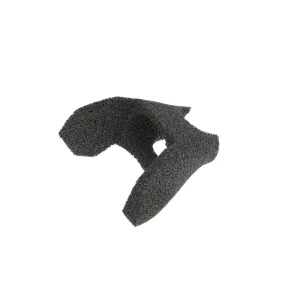
Electron Beam Melting (EBM) 3D-printed titanium surfaces for metaphyseal plates and joint contact zones, achieving a 60–70% porous trabecular structure that promotes direct osteointegration.
Phase III: Clinical Trials
Bioresorbable Magnesium Alloys
High-purity magnesium-zinc-calcium alloys designed for craniofacial and small-fragment plates. These provide mechanical stabilization for 12–16 weeks before fully absorbing, eliminating secondary removal surgeries.
Phase IV: Emerging R&D
Sensor-Integrated Smart Implants
Embedded micro-electromechanical (MEMS) strain gauges within heavy distal femur locking plates to monitor real-time callus stiffness and post-op healing progression wirelessly via NFC telemetry.
Expanded Product Catalog
Featured Orthopedic Implants & Systems (Part II)
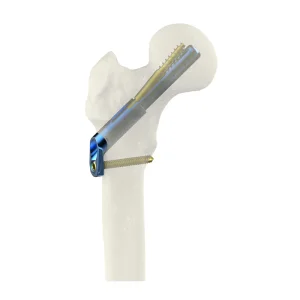
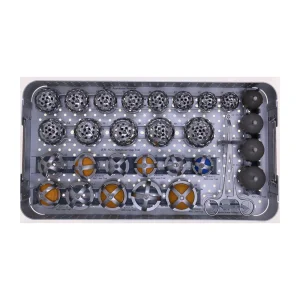
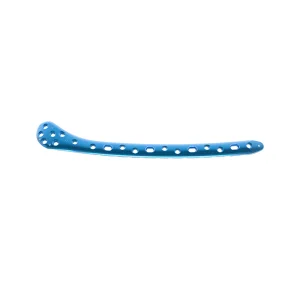
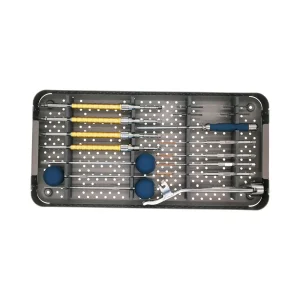
From complex hip reconstruction to minimally invasive spine surgery, evaluate our specialized hardware manufactured for durability, precision, and surgical ease.
Technical & Commercial Inquiries
Frequently Asked Questions for Sourcing Teams
Common technical questions regarding engineering tolerances, material certifications, minimum order quantities, and international logistics.
What raw materials are utilized in your "Implantes Ortopedicos Placas" series?
Our orthopedic trauma plates are manufactured from medical-grade Titanium Alloy (Ti-6Al-4V ELI conforming to ASTM F136 and ISO 5832-3) and ultra-clean Implant-Grade Stainless Steel (316LVM conforming to ASTM F138 / ISO 5832-1). Material test reports (MTR) detailing chemical heat analysis, mechanical tensile yield strength, and elongation are provided with every delivered production lot.
How does ZATH ensure biomechanical consistency across bone plates and screws?
We maintain an in-house testing facility equipped with dynamic fatigue testing machines running ASTM F382 (Standard Specification and Test Method for Metallic Bone Plates) protocols to evaluate four-point bending strength and fatigue life over 1,000,000 cycles. Screws are subjected to ASTM F543 testing for torsional strength, driving torque, and pull-out resistance to prevent head stripping and shear failures in dense cortical bone.
Can you provide technical dossiers for registration in Latin American markets (COFEPRIS, ANVISA, etc.)?
Yes. Our regulatory affairs team regularly compiles and signs complete technical dossiers for health ministry filings worldwide. This includes ISO 13485:2016 quality system audit copies, Free Sale Certificates (FSC) authenticated by embassies, biocompatibility reports per ISO 10993, cleaning/sterilization validation documentation, and complete risk analysis matrices per ISO 14971.
What is the typical lead time and wholesale pricing policy for distributor orders?
For standard inventory items, shipments dispatch within 48 to 72 hours via international express couriers (DHL, FedEx, UPS), reaching global hubs within 4 to 6 business days. For customized OEM/ODM batches—including private labeling, custom anodized colors, and bespoke instrument box layouts—lead times average 4 to 6 weeks. Transparent tier-based pricelists reflect volume commitments without recurring hidden tooling charges.
Are matching surgical instrument sets supplied alongside plate and screw implants?
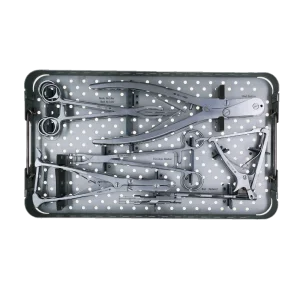
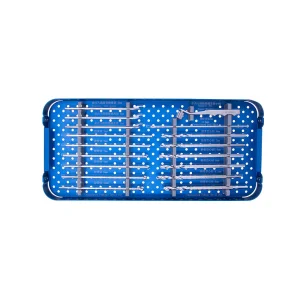
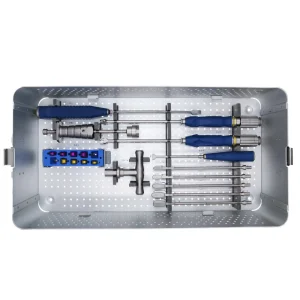
Every implant system is backed by dedicated, fully compatible surgical instrument trays. This includes custom drill guides, depth gauges, AO-quick coupling screwdrivers with calibrated torque limiters, plate bending irons, reduction forceps, and high-temp PPSU/aluminum sterilization containers configured for efficient operating room handling.