
15+
Years Precision Engineering (Est. 2009)
300+
Full-Time Production Specialists
100~
Senior & Mid-Level Biomedical Technicians
100%
Traceable ISO 13485 Quality Ecosystem
Featured Product Architectures
Spinal Arthrodesis, Joint Reconstruction & Trauma Implants
Our primary implants are micro-milled to tight dimensional tolerances, using implantable Ti-6Al-4V ELI (ASTM F136) and biocompatible PEEK-OPTIMA polymers.
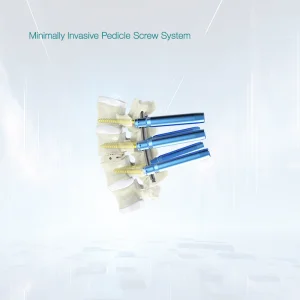
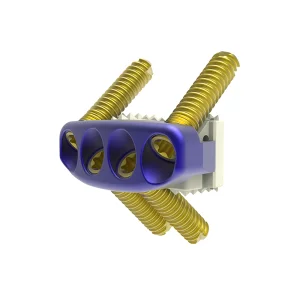
ZATH HE Minimally Invasive Spine (MIS) Pedicle Screw
Configure OEM Batch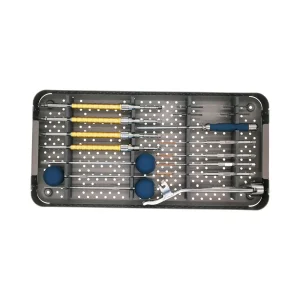
OEM 5.5 Spinal Pedicle Screw Surgical Instrument Set
Get Wholesale Pricelist
UHMWPE Tibial Insert Knee Joint Arthroplasty Prosthesis
Inquire Specifications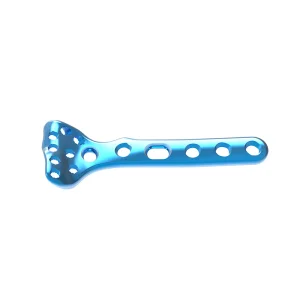
DVR Anatomical Locking Compression Plate (Distal Radius)
Download CAD Data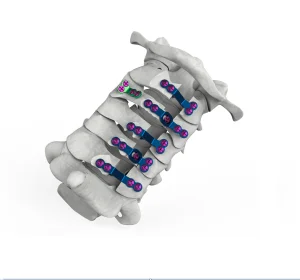
Posterior Cervical Dome Laminoplasty Plate Fixation System
Custom ODM Spec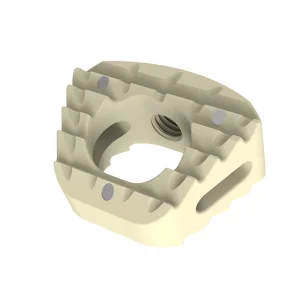
Biocompatible PEEK Cervical Interbody Fusion Cage
Request Certificate File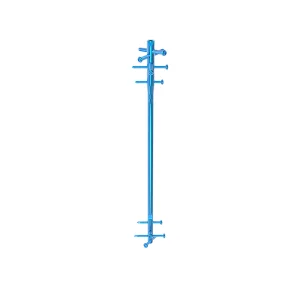
Expert Tibia Interlocking Intramedullary Nail Assembly
Evaluate Sizing Chart
Clinical Solutions
Engineering Solutions for Global Arthroplasty & Trauma Demands
As global surgical volumes climb amid an aging demographic, healthcare systems demand higher mechanical endurance, reduced aseptic loosening rates, and simplified surgical workflows.
Eradicating Aseptic Loosening via Advanced Tribology
Our total hip and total knee joint prostheses feature optimized articulating tribology. By utilizing highly cross-linked ultra-high-molecular-weight polyethylene (HXLPE/UHMWPE) coupled with mirror-polished CoCrMo or ceramic articulation, we reduce volumetric polyethylene wear debris by over 80%, mitigating osteolysis and peri-prosthetic bone resorption.
Biomechanically Tuned Modulus for Stress Shielding Prevention
Conventional steel fixation plates introduce significant stiffness mismatches. ZATH titanium alloy trauma systems and PEEK cervical cages feature an elasticity modulus closely tuned to native cortical and cancellous bone. This physiological load distribution stimulates osteoblast proliferation and primary callous remodeling according to Wolff's Law.
Hospital-Ready Terminal Sterility & Nosocomial Risk Reduction
We deliver ISO Class 7 cleanroom vacuum-sealed, gamma-irradiated or ethylene oxide (EtO) double-barrier packaging across all core implant series. Sterile field ready packaging bypasses costly hospital flash autoclaving, guarantees absolute pyrogen control, and protects implants against environmental micro-scratches prior to implantation.
Industrial Backbone
China Factory 4.0: Modern Supply Chain Resilience & Micro-Machining
Headquartered in the Zhongguancun Science Park (Pinggu, Beijing), Beijing ZhongAnTaiHua Technology Co., Ltd. (ZATH) merges state-of-the-art subtractive robotics with lean manufacturing practices to handle tier-one global distributor volume.
Multi-Axis Swiss Lathes & 5-Axis Milling
Our facility operates synchronized multi-axis Swiss-type turning centers and high-speed CNC milling complexes. Complex geometries such as helical pedicle screw threads, reverse-cutting taps, and complex double-curved anatomical radius plates are machined with sub-micron repeatability, minimizing tool friction and scrap rates.
Complete Mill-to-Sterilization Traceability
Raw materials arrive accompanied by strict 3.1 chemical assay and mechanical tensile certifications. Ultrasonic flaw detection, non-contact optical Coordinate Measuring Machines (CMM), surface roughness profilometers, and fatigue cycling rigs continuously validate every batch before laser serialization, providing an unbroken chain of custody.
Agile Supply Cushion & Raw Material Reserves
By maintaining strategic raw titanium, medical stainless steel, and virgin PEEK bar reserves, our Beijing plant buffers international partners against global commodity shocks. Integrated warehousing and strategic shipping alliances ensure rapid export processing and air freight delivery in 4 to 6 business days.
Enterprise Procurement
Aligning with Global Healthcare Procurement & Tender Requirements
Hospital buying networks, defense medical commands, and large-scale private distribution chains require predictable margins, turnkey packaging, and comprehensive regulatory documentation.
High-Margin OEM/ODM Customization
We support specialized contract packaging, custom laser branding, custom anodization color palettes (for rapid screw diameter differentiation in OR settings), and customized tray layout designs to strengthen our partners' brand equity across domestic and international markets.
Ready-to-Submit Dossiers & Tenders
We supply distributors with comprehensive technical documentation, including ISO 10993 biological risk evaluations, ASTM F543 torque and pullout test reports, accelerated aging validations, and Free Sale Certificates (FSC) to simplify local health authority filings.
Complete Modular Surgical Kits
Implants perform only as smoothly as their delivery instruments. ZATH develops and manufactures ergonomic, autoclavable instrument kits—including custom reamers, broaches, bone taps, and quick-connect torque drivers—designed to minimize surgical step counts and reduce total tourniquet time.
Innovation Horizon
Orthopedic Technology Roadmap & Next-Gen Outlook
Through continuous investment in additive bio-manufacturing and minimally invasive instrumentation, ZATH stays ahead of evolving clinical techniques and surgical standards.
Phase 01: In Production
Trabecular 3D Titanium Printing
Selective Laser Melting (SLM) produces open-pore trabecular lattices with 65–80% porosity, mimicking natural cancellous architecture for rapid osteointegration in joint and spinal arthrodesis.
Phase 02: Advanced Launch
Resorbable Magnesium Bio-Alloys
Developing zero-toxicity bioabsorbable interference screws and pediatric fracture pins that safely dissolve in vivo as the fracture consolidates, eliminating secondary hardware removal procedures.
Phase 03: Clinical Integration
Endoscopic & Robotic Tooling
Expanding our uniportal interlaminar and transforaminal endoscopic portfolios (including 7.1mm scopes) to interface directly with robotic surgical arms, stereotactic navigation, and MIS portals.
Phase 04: Next-Gen R&D
Active Antimicrobial Surfaces
Engineering nano-silver doped, diamond-like carbon (DLC), and bioactive glass surface layers that inhibit biofilm colonization without compromising osteoblast attachment or bone bridging.
Surgical Instrumentation & Trauma Portfolio
Surgical Reconstruction Systems & Endoscopic Platforms
From arthroscopic soft-tissue repair kits to complex anatomical bone reconstruction plates, each component is manufactured to strict international medical device standards.
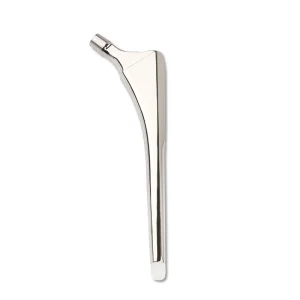
TDS Cemented Polished Femoral Stem Hip Joint Implant
Inquire Wholesale Pricing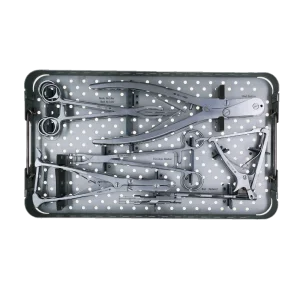
Occipito-Cervical-Thoracic (OCT) Ladder Instrument Set
Review Kit Components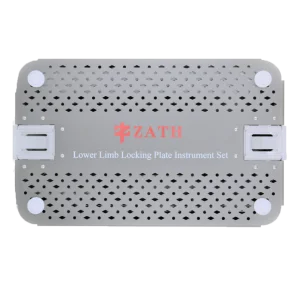
Lower Limb Anatomical Locking Plate Instrument System
Configure Set Tray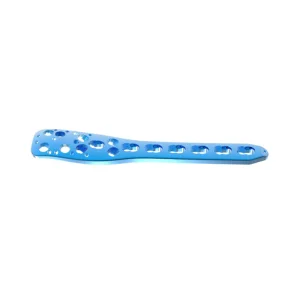
Proximal Humerus Locking Compression Plate (LCP III)
Download Surgical Technique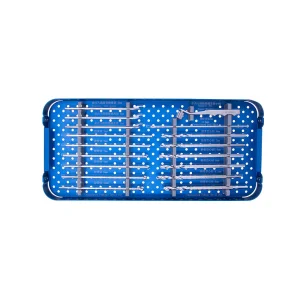
Complete Arthroscopic ACL/PCL Ligament Reconstruction Set
Request Instrument Catalog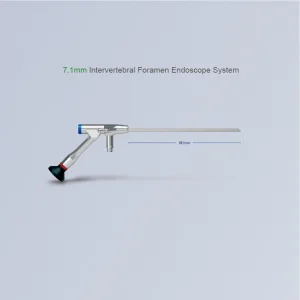
7.1mm Intervertebral Transforaminal Endoscope System
Get Optical Specs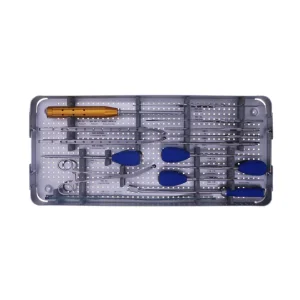
Zipper 6.0 Spinal Internal Fixation Universal Instrument Set
Request System Quote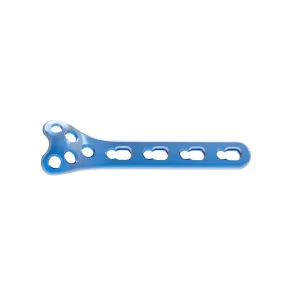
Anatomical Radial Head Locking Compression Bone Plate
Download Clinical Dossier
Risk Management
Localized Regulatory Guidance & Audit-Ready Quality Assurance
Medical device regulations vary widely across jurisdictions. ZATH works closely with distributors to help ensure product submissions meet local safety and performance expectations.
Comprehensive Regulatory Dossiers
We assist our distribution partners in preparing submissions for agencies worldwide—such as FDA 510(k), EU MDR Class IIb/III, ANVISA, COFEPRIS, and SFDA. Our documentation includes full clinical evaluations (CER), usability assessments, and validated biocompatibility testing.
Post-Market Surveillance & Vigilance Support
Our engineering and QA departments run a responsive post-market clinical follow-up (PMCF) framework. We provide rapid incident response protocols, corrective and preventive action (CAPA) tracking, and clear clinical risk evaluations to safeguard distributor standing with regional authorities.
Distributor & Surgeon Product Training
We support partner teams with comprehensive surgical technique manuals, detailed sawbone anatomical models, and direct digital consultations with our R&D engineering leads, ensuring surgical staff can review implant ergonomics and instrumentation prior to OR adoption.
Procurement Knowledge Base
Frequently Asked Questions by Medical Procurement Teams
Answers to common operational, metallurgic, and regulatory questions from healthcare distributors and procurement executives evaluating orthopedic partnerships.
What biomaterials are used across ZATH orthopedic implants?
We manufacture exclusively with certified medical-grade materials: implant-grade Ti-6Al-4V ELI titanium alloy (ASTM F136 / ISO 5832-3), medical-grade unalloyed titanium (ASTM F67), wrought CoCrMo alloy (ASTM F1537), ultra-high-molecular-weight polyethylene (UHMWPE/HXLPE via ASTM F648), medical-grade 316L stainless steel (ASTM F138), and implantable PEEK-OPTIMA polymers (ASTM F2026). Every material lot includes mill cert validation and biocompatibility documentation.
How does ZATH ensure quality control under ISO 13485?
Quality control begins with raw material spectrographic validation and continues through in-process optical CMM measurements, automated deburring, passivation testing (ASTM A967), and final cleanroom inspections. Cleanroom operations (ISO Class 7 and Class 8) undergo continuous bioburden and particulate monitoring to ensure full compliance before batch release.
What are standard lead times for OEM or private-label orders?
For existing standard implant and instrument platforms, OEM laser labeling and sterile-packaged shipments are typically dispatched within 2 to 4 weeks. Custom implant development (ODM)—involving CAD prototyping, finite element analysis (FEA), dynamic fatigue testing, and custom tool paths—generally requires 8 to 12 weeks depending on complexity and testing parameters.
Are custom surgical instrument trays available with implant orders?
Yes. We engineer complete modular instrument solutions crafted from aircraft-grade anodized aluminum, PPSU, and stainless steel. Trays can be custom-configured to accommodate hospital autoclaving cycles (pre-vacuum steam) and organized logically according to the surgeon's procedural steps.
How does ZATH handle international air cargo logistics?
We maintain streamlined export channels via Beijing Capital International Airport (PEK) and Tianjin port, dispatching air freight through major carriers (DHL, FedEx, UPS). Most international distributor shipments clear customs and arrive at destination distribution centers within 4 to 6 business days.
Can ZATH accommodate small minimum order quantities (MOQ)?
Yes. While large hospital groups benefit from bulk tier pricing, we actively support trial evaluation orders, hospital consignment setups, and market entry pilots with practical MOQ structures across all trauma, spine, joint, and sports medicine product lines.