Clinical Inventory
Featured Orthopedic Systems & Trauma Implants
Precision-machined titanium locking compression plates, joint replacements, and specialized surgical instrument assemblies directly dispatched from our certified manufacturing suites.
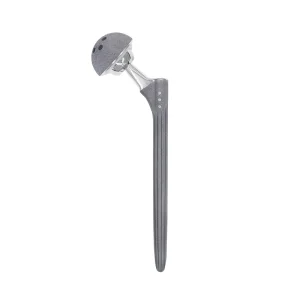
ODM Best Selling DDS Titanium Hip & Joint Implant Prosthesis
Product Specifications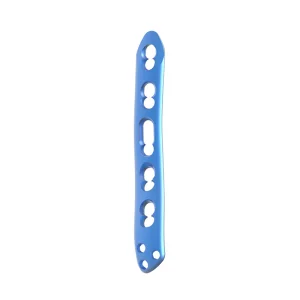
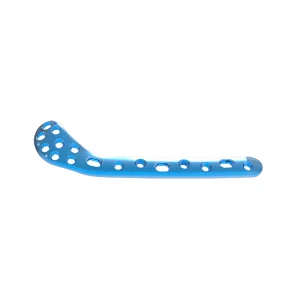
Distal Medial Humerus Locking Compression Plate
Product Specifications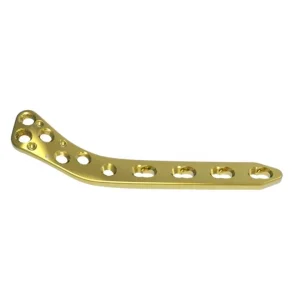
OEM Proximal Lateral Tibia Locking Compression Plate
Product Specifications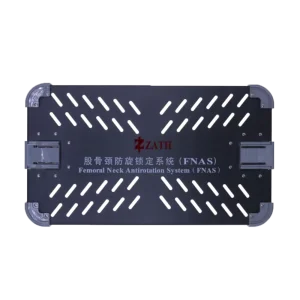
Famous Femoral Neck Antirotation System (FNAS Instrument Set)
Product Specifications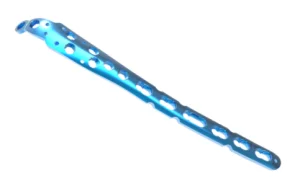
China Proximal Ulna Locking Compression Plate Series
Product Specifications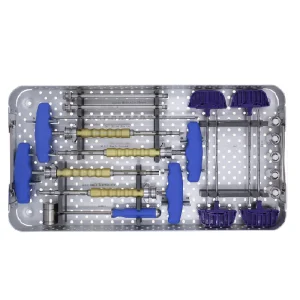
Spine Instrument Set (Zenith HE Minimally Invasive Set)
Product Specifications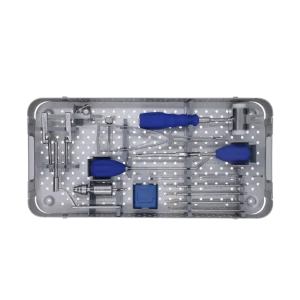
High Quality ZP Cervical / Lumbar Cage Instrument Set
Product Specifications
Commercial & Industrial Realities
The Global Sourcing Paradigm: Wholesale Orthopedic Plate Pricing
Analyzing macroeconomic trends, tender deflation, volume-based procurement (VBP), and the transition from Western multinational premiums to high-precision contract manufacturing hubs.
The global internal fracture fixation market represents an annual expenditure surpassing $8.5 billion, with orthopedic bone plates and locking screw constructs forming the backbone of modern trauma surgery. Historically, healthcare systems in North America, Western Europe, and developing nations were heavily reliant on legacy Tier-1 medical device conglomerates. These multinational brands routinely imposed retail markups exceeding 700% over base manufacturing expenditure. However, tectonic shifts in global healthcare economics—most notably regional Diagnosis-Related Group (DRG) hospital reimbursements, national Volume-Based Procurement (VBP) mandates, and competitive bidding in public tenders—have fundamentally disrupted this status quo.
International distributors, healthcare consortiums, and private hospital networks no longer accept opaque pricing tiers that primarily subsidize massive corporate overheads and legacy sales structures. Instead, commercial leadership is turning toward specialized, ISO 13485-accredited orthopedic manufacturing plants capable of delivering metallurgical equivalency, micron-level machining consistency, and comprehensive regulatory documentation at factory-direct pricing.
VBP & Cost Compression
Centralized tenders in major international markets have compressed ex-factory procurement costs by 45% to 70%. Manufacturers must operate fully automated Swiss-type machining cells to preserve operating margins while meeting stringent institutional target price points.
MDR & Regulatory Barriers
With the transition from MDD to EU MDR 2017/745 and elevated FDA 510(k) auditing standards, low-tier machine shops without verified cleanrooms, biomaterial traceability, and documented four-point fatigue testing have been systematically excluded from international trade.
Supply Chain Verticalization
Leading factories control the full product lifecycle: certified raw titanium billets, wire EDM roughing, 5-axis simultaneous CNC milling, automated electro-polishing, Type II anodization, Class 10,000 cleanroom packaging, and pre-sterilization terminal preparation.
Engineering Economics
Cost Architecture: What Really Determines Orthopedic Plate Pricing?
A transparent engineering deconstruction of bill-of-materials, multi-axis machining hours, passivation chemistry, and cleanroom sterile-barrier packaging variables.
Procurement executives frequently encounter wholesale quotations for titanium trauma plates ranging widely from $15 to $180 per unit. Understanding this variance requires insight into the micro-engineering and regulatory variables underpinning production. The wholesale price of an orthopedic bone plate is not merely a reflection of raw alloy weight; it represents the convergence of high-purity metallurgy, multi-axis toolpath cycle times, non-destructive validation, cleanroom containment, and sterile-barrier pouch engineering.
| Manufacturing Stage | Technical Specification / Standard | Direct Cost Contribution (%) | Quality & Pricing Impact |
|---|---|---|---|
| Raw Material Sourcing | Medical Ti-6Al-4V ELI (ASTM F136 / ISO 5832-3) or 316L (ASTM F138) | 18% – 24% | Certified ingot traceability with strict inclusion limits. ELI (Extra Low Interstitial) titanium guarantees fracture toughness and dynamic fatigue resistance. |
| Multi-Axis CNC Machining | 5-Axis Swiss-type sliding headstock machining (DMG Mori, Citizen, Star) | 32% – 42% | Complex anatomical 3D curves, combination locking holes, dynamic compression slots, and fine metric variable-angle internal threads require cycle times of 12–35 minutes per plate. |
| Surface Engineering | Type II Anodization, Micro-Arc Oxidation (MAO), Automated Deburring | 8% – 12% | Eliminates micro-cracks and stress concentrations, forms a passive anti-galling titanium oxide barrier, and optimizes soft-tissue biocompatibility. |
| Metrology & Quality Control | Coordinate Measuring Machines (Zeiss CMM), Optical Thread Gauging (100%) | 10% – 14% | Thread pitch tolerance within ±0.005mm; validation of hole locking geometry to prevent intraoperative screw cold-welding or cross-threading failure. |
| Packaging & Cleanroom | ISO Class 7 / Class 10,000 Cleanroom, Medical Grade DuPont Tyvek Pouching | 8% – 12% | Validated double-sterile packaging compliant with ISO 11607-1/2, eliminating hospital autoclave bottlenecks and preventing particulate contamination. |
| Regulatory Auditing | ISO 13485 QMS, Technical Dossier (STED) maintenance, Bio-testing (ISO 10993) | 6% – 10% | Provides distributors with valid Free Sale Certificates (FSC), Declaration of Conformity, and risk management documentation for fast national ministry registration. |
Procurement Insight: Sourcing bone plates solely based on the lowest initial quote frequently introduces catastrophic hidden costs. Substandard plating often exhibits dimensional micro-burrs within locking holes, inconsistent thread pitch leading to intraoperative screw jamming, and inadequate ASTM F382 bending fatigue limits—risking in-vivo plate fracturing and expensive surgical revisions.
Supply Chain Dominance
Supply Chain Resilience & Efficiency Advantages of Chinese Factories
Why leading global brands and sovereign hospital tenders are scaling their contract manufacturing partnerships within Beijing's advanced medical industrial clusters.
Over the past decade, Chinese medical device manufacturing has transitioned decisively from labor-intensive sub-assembly to highly automated, world-class precision engineering. Anchored in high-tech industrial corridors such as the Zhongguancun Science Park (Pinggu, Beijing), modernized factories leverage fully integrated industrial clusters that encompass titanium ingot refining, state-of-the-art multi-axis CNC machine centers, certified electro-chemical surface treatment lines, and sterile packaging infrastructures within a localized 50-kilometer radius.
This intense industrial co-location provides global orthopedic distributors with unmatched supply velocity, structural resilience against international logistics shocks, and substantial economies of scale.
Rapid Prototype-to-Production
In-house CAM engineering teams convert CAD files into validated titanium production samples in as few as 7 to 10 days. Mass-production scale-up for new anatomical contours requires weeks, not quarters, cutting distributor time-to-market by 60%.
Fleet Automation & Capacity
High-density installations of Swiss-type sliding headstock lathes and multi-axis milling machining centers run continuous unmanned cycles with high repeatability, ensuring zero-defect batch production across hundreds of thousands of units per annum.
Documented Lot Traceability
Every production batch receives end-to-end laser mark data matrix coding, tying each finished implant directly to its specific raw material heat number, CNC operator log, surface passivation bath, and cleanroom bioburden validation audit.
15+
Years Dedicated R&D (Since 2009)
300+
Specialized Production Staff
±5μm
Machining Thread Tolerances
4-6Days
Global Express Lead Time
Anatomical Optimization
Localized Clinical Scenarios & Anatomical Fixation Needs
How modern locking compression plating platforms adapt to diverse clinical demands: from high-energy urban trauma to fragile osteoporotic bone fixations.
High-Energy Comminuted Trauma
In complex diaphyseal and articular fractures (such as distal medial femur or proximal lateral tibia injuries), anatomically pre-contoured locking plates act as internal fixators. By utilizing locking screws that thread directly into the plate, angular and axial stability is achieved without compressing the periosteum, thereby safeguarding critical bone vascularity and speeding osteosynthesis.
Geriatric Osteoporotic Fractures
Aging populations present reduced bone mineral density and diminished screw purchase. Modern trauma plating addresses this with variable-angle (VA) locking clusters and divergent screw configurations. Multi-planar screw placement spreads biomechanical loads across a broader trabecular surface, dramatically minimizing the risk of screw toggle, cut-out, or secondary loss of reduction.
Minimally Invasive (MIPO) Surgery
With low-profile chamfered plate ends and tapered tips, our anatomical systems enable percutaneous submuscular insertion. This significantly reduces surgical incision sizes, decreases intraoperative blood loss, lowers surgical site infection (SSI) risks, and reduces operating room times for hospitals and ambulatory surgical centers.
Next-Generation Orthopedics
Technology Roadmap: The Future of Bone Plating Systems
Strategic research and engineering initiatives driving next-generation biomaterials, porous additive lattices, and smart trauma monitoring.
3D Printed Porous Titanium
Electron Beam Melting (EBM) and Selective Laser Melting (SLM) enable plates with fully integrated trabecular contact surfaces. Modulating porosity (60%–75%) matches the elastic modulus of cancellous bone, virtually eliminating stress shielding.
Bioabsorbable Alloys
Advancing biodegradable magnesium and high-purity zinc alloy plates for non-weight-bearing pediatric, hand, and craniofacial fixation. Implants gradually absorb over 12–18 months, negating the risk and cost of secondary hardware removal operations.
Antimicrobial Surface Coatings
Deploying silver-nanoparticle doped hydroxyapatite and bioactive titanium dioxide (TiO2) nanotube coatings to combat implant-associated infections and MRSA biofilm colonization, dramatically cutting post-operative complication costs.
Smart Telemetric Plates
Integrating passive micro-electromechanical (MEMS) strain sensors directly inside low-stress plate cavities. These telemetric sensors provide surgeons with real-time, non-invasive wireless data regarding fracture callus stiffness and real-world weight-bearing progression.
Partner Enablement
Localized Regulatory Support & Complete Distributor Assurance
Empowering international partners with turnkey technical files, mechanical validation dossiers, tailored surgical instrumentation kits, and private-label branding.
Fast-Track Ministry Registration
Distributors gain instant access to comprehensive registration dossiers, including ISO 13485:2016 quality audits, valid Free Sale Certificates (FSC) issued by national health administrations, biocompatibility data (ISO 10993), and full ASTM F382 static and dynamic fatigue test performance reports.
Matching Surgical Instrumentation
Implants cannot be sold in isolation. We engineer, manufacture, and supply dedicated graphic-anodized surgical instrument sets matching every plate system—featuring quick-coupling torque-limiting screwdrivers, radiolucent drill guides, depth gauges, and plate-holding forceps in customized sterilization containers.
Custom OEM/ODM Private Labeling
From high-resolution fiber laser marking of distributor logos, color-coded anodization matching regional surgeon preferences, to multi-lingual patient label barcodes and validated sterile Tyvek packaging, we deliver comprehensive white-label brand transformation.
Procurement Intelligence
Frequently Asked Questions: Wholesale Orthopedic Sourcing
Technical, operational, and commercial answers for hospital procurement boards, import distributors, and brand managers.
What metallurgical grades are utilized for orthopedic plates, and how is raw material certified?
We exclusively mill bone plates from certified Medical-Grade Titanium alloy (Ti-6Al-4V ELI conforming to ASTM F136 and ISO 5832-3) and premium Medical-Grade Stainless Steel (316L conforming to ASTM F138). Every raw material delivery arrives with third-party chemical and mechanical spectrographic mill analysis certificates verifying grain size, low interstitial gas concentrations (O, C, N, H), and ultimate tensile strength before being cleared for CNC milling.
How do your factory wholesale prices compare to Tier-1 Western multinational orthopedic brands?
On average, our factory-direct wholesale pricing is 50% to 75% more cost-effective than comparable legacy brands (such as DePuy Synthes, Stryker, or Zimmer Biomet) for equivalent locking compression plate constructs. Because our Beijing industrial park integrates automated 5-axis CNC machining, in-house surface treatment, and direct cleanroom packaging, we eliminate distributor layers and costly Western corporate overheads without sacrificing biocompatibility or mechanical fatigue limits.
What are the typical Minimum Order Quantities (MOQs) and lead times for standard vs. custom plates?
For standard catalog plates in non-sterile bulk or standard sterile configurations, our MOQ is flexible (typically 10 to 20 units per size/hole configuration to accommodate regional inventory building). Standard items in stock ship within 4 to 6 business days via DHL, FedEx, or air cargo. For bespoke OEM/ODM projects requiring custom CNC tooling or customized laser-etching, initial prototype lots typically require 2 to 3 weeks, with scale production cycles stabilized at 30 to 45 days.
Are implants supplied pre-sterilized, and what validation documentation is provided?
Yes. We offer both non-sterile hospital-autoclavable inventory and double-barrier pre-sterilized packaging utilizing medical-grade DuPont Tyvek blister trays. Our cleanroom packaging complies strictly with ISO 11607-1/2 standards and is validated for a 5-year sterile shelf life under accelerated and real-time aging protocols. Ethylene Oxide (EtO) and Gamma irradiation cycles are fully documented with bioburden and residual testing reports.
What mechanical testing validates the fatigue resistance and bending strength of your bone plates?
All plate designs undergo rigorous four-point bending fatigue and static proof-load testing in accordance with ASTM F382 (Standard Specification and Test Method for Metallic Bone Plates). Implants must complete a minimum of 1,000,000 to 5,000,000 cyclic loading cycles without structural micro-cracking or catastrophic fatigue failure under physiologic load conditions. Full test reports are supplied directly to partners for hospital tender submissions.
Can your engineering team support customized locking screw angle configurations (Variable-Angle Locking)?
Yes. Our R&D engineering division specializes in both fixed-angle combi-hole designs and advanced Variable-Angle (VA) locking mechanisms permitting up to ±15° of multi-directional screw angulation off the central axis. This allows surgeons to target specific comminuted bone fragments or avoid adjacent joint prostheses while maintaining absolute angular locking rigidity.
What assistance is provided to distributors for foreign health ministry product approvals?
We provide comprehensive regulatory dossiers structured according to the ASEAN Common Medical Device Directive (CSDT) or the IMDRF Table of Contents (ToC). Our regulatory team supplies authenticated ISO 13485:2016 audit certificates, apostilled Free Sale Certificates (FSC), letters of authorization (LoA), biocompatibility test summaries, clinical evaluation reports (CER), and multi-lingual surgical instructions for use (IFU).
How do you guarantee batch-to-batch thread conformity to eliminate intraoperative screw cold-welding?
Cold welding occurs when titanium-on-titanium friction galling occurs due to improper thread matching or irregular surface roughness. We solve this by deploying Type II electrochemical surface anodization, creating an ultra-dense, low-friction anti-galling oxide layer. Furthermore, 100% of internal plate locking threads and screw heads are verified with optical coordinate measuring machines and customized go/no-go plug gauges to hold thread tolerances within ±0.005mm.
Full Surgical Spectrum
Reconstructive, Spine, Endoscopy & Joint Replacement Systems
Expanding your institutional catalog beyond trauma plates: precision-engineered spinal fixation rods, hip arthroplasty stems, endoscopic spinal columns, and specialized surgical trays.
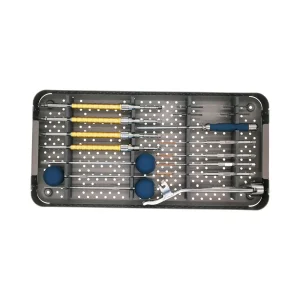
OEM 5.5 Spinal Pedicle Screw Instrument Set
Product Specifications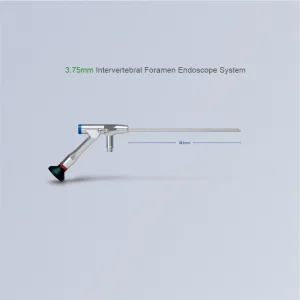
3.75mm Intervertebral Foramen Endoscope System
Product Specifications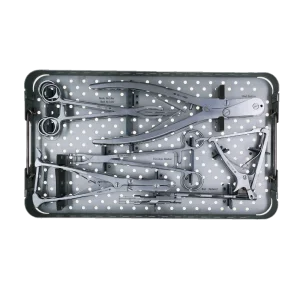
Custom CE approved Orthopedic Ladder OCT Instrument Set
Product Specifications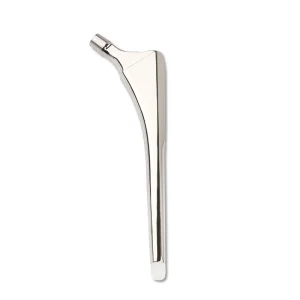
TDS Cemented Stem Orthopedic Hip Implants
Product Specifications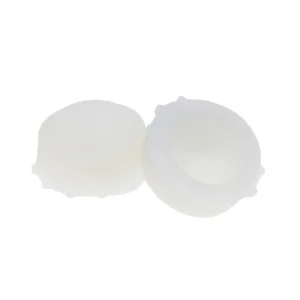
High-Quality Hip Joint ADC Acetabular Liner
Product Specifications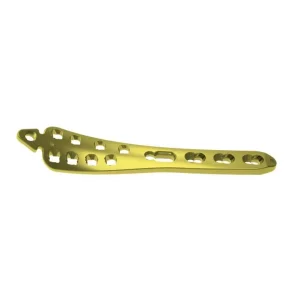
Distal Medial Tibia Locking Compression Plate II
Product Specifications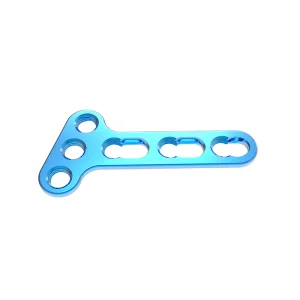
Oblique T-Shape Locking Compression Plate Series
Product Specifications