
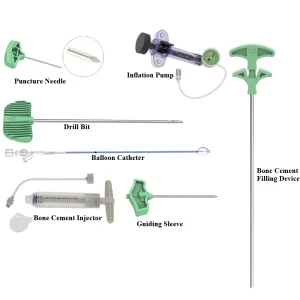
Core Surgical Instrumentation
Featured Spinal & Trauma Fixation Systems
High-durability titanium alloys, precision-machined locking instruments, and sterile-packaged kits tailored for orthopedic hospitals across Region Stockholm, Region Skåne, and Western Götaland.
-
-
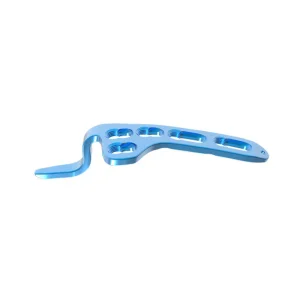
Clavicle Hook Locking Compression Plate System
View Clavicle Plate -
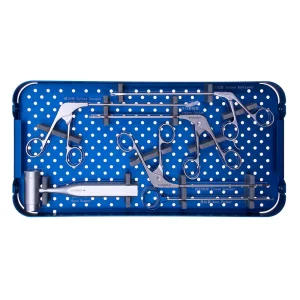
OEM Shoulder Arthroscopy Surgical Instrument Set
Inspect Arthroscopy Set -
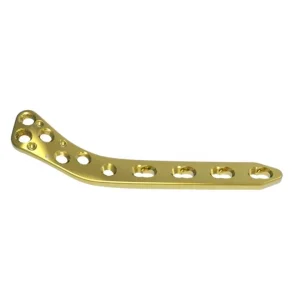
Proximal Lateral Tibia Locking Compression Plate (LCP)
View Tibia Plate
Regional Demographics & Health Economics
The Swedish Vertebral Compression Fracture Landscape
An epidemiological analysis of osteoporosis prevalence, regional county council procurement criteria (Regioner), and quality metric reporting to the Swedish National Spine Register (Swespine).
Sweden presents one of the highest incidences of osteoporotic fractures globally, driven by demographic aging, geographical latitudinal factors influencing Vitamin D cutaneous synthesis, and genetic predispositions common throughout Scandinavia. Osteoporotic vertebral compression fractures (OVCF) generate significant morbidity, characterized by intractable focal back pain, progressive thoracic kyphosis, diminished pulmonary vital capacity, and heightened mortality among elderly demographics. In clinical centers across Stockholm, Gothenburg, Malmö, and Uppsala, the implementation of minimally invasive vertebral augmentation—principally percutaneous vertebroplasty (PVP) and percutaneous balloon kyphoplasty (PKP)—has become an established intervention when conservative therapies fail to provide pain relief.
However, the medical procurement ecosystem governed by Sweden's 21 regional county councils (such as Region Stockholm, Västra Götalandsregionen, and Region Skåne) imposes uncompromising criteria on medical device manufacturers. Swedish spine surgeons and hospital purchasing coalitions operate under stringent frameworks where clinical efficacy, patient-reported outcome measures (PROMs) logged into Swespine (the Swedish National Spine Register), and device reliability are scrutinized. To qualify as an OEM manufacturing partner for Swedish distributors, factories must provide impeccable technical files demonstrating conformance with the EU Medical Device Regulation (EU 2017/745 - MDR), validated biocompatibility pursuant to ISO 10993, and rigorous cleanroom controls complying with ISO 13485:2016.
Swespine Register Integration
Swedish orthopedic surgery relies heavily on register-based clinical monitoring. Surgical tools and bone cement delivery devices must perform consistently to avoid cement leakage and adjacent level fractures.
- EQ-5D & Oswestry Disability Index tracking
- Zero-tolerance for unverified cement polymerization
- Strict radiopacity for real-time biplane fluoroscopy
Läkemedelsverket Compliance
The Swedish Medical Products Agency mandates total transparency regarding polymer characterization, residual methyl methacrylate (MMA) monomers, and sterile barrier integrity.
- ISO 11607 Tyvek sterile barrier packaging
- Ethylene Oxide (EO) sterilization residuals < 0.1 mg/device
- Notified body validated Class IIb technical files
Public Tender Structure
County council procurement tenders (Kammarkollegiet and regional joint frameworks) require volume scalability, rapid 48-hour replenishment, and competitive unit costs.
- Direct OEM pricing without tiered middlemen markup
- Turnkey private-label branding for Nordic distributors
- Guaranteed production batches with safety stock holding
Global Market Evolution
Global Commercial & Industrial Vertebral Augmentation Dynamics
Examining the shift from conventional low-viscosity PMMA injection to targeted, high-viscosity balloon kyphoplasty and stentoplasty platforms worldwide.
Evolution from PVP to Balloon-Assisted Kyphoplasty (PKP)
When percutaneous vertebroplasty was pioneered in the late 1980s by Deramond and Galibert, the procedural technique involved the direct percutaneous transpedicular injection of liquid polymethylmethacrylate (PMMA) into collapsed cancellous bone. While this reliably stabilized mechanical micro-motion and alleviated pain through thermal neurolysis and structural cement interdigitation, the global clinical community encountered high rates of cement extravasation. Extravasation into the anterior internal vertebral venous plexus posed risks of pulmonary cement embolism, while posterior leakage into the spinal canal risked spinal cord or radicular nerve root compression.
This clinical dilemma drove the invention of Percutaneous Kyphoplasty (PKP), utilizing inflatable bone tamp balloons engineered from non-compliant biocompatible polymers (such as medical-grade polyamide or polyurethane). Balloon inflation under monitored hydraulic pressures (often 200–400 psi) restores collapsed vertebral height, corrects focal kyphotic angulation, and creates a controlled low-pressure void or cavity within the trabecular matrix. When the balloon is deflated and withdrawn, high-viscosity, dough-state PMMA can be introduced at significantly lower injection pressures, reducing venous leakage rates by over 65% compared to liquid-phase PVP.
Biomechanical Metrics: PVP vs. Modern PKP OEM Systems
| Parameter | Standard PVP | ZATH PKP System |
|---|---|---|
| Injection Pressure | High (800–1200 kPa) | Low Controlled (≤350 kPa) |
| Cement Viscosity | Liquid / Honey-like | High-Viscosity Dough State |
| Extravasation Risk | 18% – 38% reported | < 5.2% Controlled |
| Height Restoration | Limited (< 10%) | 30% – 60% Restoration |
| Delivery Cannula | 13G / 11G Straight | 10G/11G Diamond/Bevel Custom |
Hospital Operating Environments
Localized Application Scenarios Across Swedish Regions
From major university trauma hubs to specialized ambulatory outpatient spine surgical clinics throughout Sweden.
Karolinska & Sahlgrenska Tertiary Centers
In academic university facilities (Karolinska Universitetssjukhuset in Solna/Huddinge and Sahlgrenska in Gothenburg), complex pathological compression fractures secondary to multiple myeloma and metastatic spinal tumors demand high radiopacity instrumentation and dual-balloon precision to avoid cord compromise.
- Transpedicular and extrapedicular access compatibility
- Platinum/gold marker bands under low-dose fluoroscopy
Regional Geriatric Fracture Protocols
Community hospitals across Region Jönköping, Region Östergötland, and Dalarna focus on early mobilization of frail octogenarian patients. Minimally invasive vertebral stabilization allows same-day ambulation, drastically mitigating hospital-acquired pneumonia, deep vein thrombosis (DVT), and muscle atrophy.
- Local anesthesia with conscious sedation workflows
- 30-minute procedural cycle from puncture to closure
Private Day-Surgery Clinics (Dagkirurgi)
Specialized private and public-contracted outpatient clinics (such as Capio and Aleris units in Stockholm) require fully pre-sterilized, single-use, all-in-one procedural kits that minimize sterile processing overhead, eliminate autoclave queuing, and guarantee rapid room turnaround times.
- Single-tray complete sterile presentation
- Compact footprint optimized for tight operating theaters
Future Engineering Trajectory
Technology Roadmap: 2026–2032 Vertebral Augmentation
How ZATH aligns OEM manufacturing capabilities with robotic navigation, bioactive cements, and next-generation spine implants.
Phase I: Bioactive & Low-Exotherm Cements
Addressing adjacent vertebral fracture rates caused by the modulus mismatch between rigid PMMA and fragile osteoporotic bone. Development of calcium phosphate composite PMMA and strontium-doped bioactive glasses that facilitate osteointegration while maintaining working polymerization windows.
Phase II: Optical & Electromagnetic Tracking
Puncture needles and cannulas fitted with passive reflective markers and EM sensors calibrated for robotic guidance systems (e.g., Medtronic Mazor, Brainlab, and Globus ExcelsiusGPS), eliminating surgeon radiation exposure during complex pedicular access trajectories.
Phase III: Expandable PEEK & Titanium Stents
Vesselplasty and vertebral stent expansion concepts featuring mechanical intravertebral scaffolding that maintains anterior vertebral wall height independent of balloon deflation, followed by targeted cement infill under sub-atmospheric delivery environments.
Accountable Chinese Manufacturing
OEM/ODM Infrastructure: From Ingot to Certified Swedish Pack
How our ISO 13485 manufacturing facility in the Zhongguancun Science Park executes Swiss-style multi-axis machining, ISO Class 7 cleanroom packaging, and MDR technical dossier documentation.
Operating since 2009 with over 300 dedicated personnel and nearly 100 seasoned engineering and regulatory technicians, Beijing ZhongAnTaiHua Technology Co., Ltd. (ZATH) provides European orthopedic brand holders and Swedish distributors with a vertically integrated, ISO 13485-certified manufacturing backbone. For spinal vertebral augmentation products, device failure or inconsistent balloon burst pressure is unacceptable. Our cleanroom facilities and machining centers control every phase of production in-house:
- Biocompatible Metallurgy: Premium medical-grade titanium alloys (Ti-6Al-4V ELI conforming to ASTM F136 / ISO 5832-3) and surgical 316LVM stainless steels sourced with verifiable 3.1 chemical and physical mill test certificates.
- Micron-Level CNC Tolerances: Precision turning and wire EDM of puncture cannula tips, bevel edges, and threading, inspected via coordinate measuring machines (CMM) and non-contact optical comparators.
- Balloon Burst Pressure Validation: 100% leak testing and hydraulic pressure burst testing (RBP rating verified to ≥30 bar / 435 psi) with laser-welded platinum-iridium radiopaque marker bands.
- Validated Sterilization Ecosystem: ISO 11135 ethylene oxide sterilization with documented validation reports (IQ/OQ/PQ) adhering to EN 556 sterility assurance level (SAL 10-6).
Custom OEM/ODM Services for Nordic Brands
We empower medical device companies across Scandinavia to enter public tenders quickly with customized specifications:
Laser Marking & Swedish UDI-DI: Custom laser-etched logos, part numbers, GS1 DataMatrix barcodes, and batch tracking directly onto stainless handles and instruments.
Language-Specific IFU Packaging: Complete packaging artwork, blister sealing, and Instructions for Use (IFU) translated and validated in Swedish, Danish, Norwegian, and English.
EU MDR Notified Body Dossiers: Direct technical file access, Clinical Evaluation Reports (CER) per MEDDEV 2.7/1 Rev 4, and biological evaluation reports ready for TÜV, DEKRA, or BSI review.
Technical & Regulatory Inquiry
Procurement & Clinical Engineering FAQ
Key considerations for orthopedic distributors, hospital biomedical engineers, and supply chain managers evaluating Chinese contract manufacturing.
What are the key technical specifications of ZATH's PKP Balloon Kyphoplasty Kits?
Our PKP kits feature high-grade non-compliant polyurethane balloons rated for pressures up to 30 bar (435 psi) with burst safety factors exceeding 1.5x. Cannulas are engineered in 10-gauge and 11-gauge configurations in 100mm, 120mm, and 150mm working lengths with diamond, beveled, and steerable trocar tips. Radiopaque platinum-iridium marker bands delineate balloon inflation limits under fluoroscopy, while the bone cement delivery injectors provide hydraulic fluid mechanical dampening for smooth cement flow.
How does ZATH satisfy EU MDR (2017/745) requirements for Swedish importation?
ZATH maintains a comprehensive Quality Management System certified to ISO 13485:2016 by accredited European notified bodies. For CE-marked lines and OEM contract runs destined for European Union member states including Sweden, we compile full Technical Documentation under MDR Annex II and III, complete biological safety evaluations according to ISO 10993 (cytotoxicity, sensitization, irritation, systemic toxicity, and hemocompatibility), and conduct Post-Market Clinical Follow-up (PMCF) studies.
Can instrument handles and trays be customized to Swedish regional ergonomics?
Yes. Through our flexible OEM/ODM service, ergonomic handles can be fabricated in medical-grade PEEK, silicone-overmolded stainless steel, or anodized aluminum with custom color-coding to denote specific cannula gauges (e.g., green for 10G, yellow for 11G). Instruments can be branded with your commercial trade name and calibrated to fit specific Nordic autoclaving baskets and surgical draping formats.
What are the shipping lead times, cold-chain, or sterile transit protocols to Stockholm?
Finished, sterile-barrier blister packs (double-pouch medical Tyvek) are packed in impact-resistant outer cartons with moisture and shock desiccant protections. Regular batch shipments to Arlanda Airport (ARN) or Landvetter Airport (GOT) arrive via express air freight (DHL, FedEx, UPS) within 4 to 6 business days. For bulk commercial stock replenishment, temperature-controlled sea freight and direct rail options through European logistics corridors are available with full batch traceability.
How does your bone cement injection system mitigate the risk of pulmonary embolism?
Our hydraulic cement injectors feature a mechanical screw-driven gear ratio with an instantaneous pressure release stop valve. This allows the surgeon to halt bone cement extrusion within a fraction of a second if fluoroscopic imaging shows cement nearing the posterior vertebral wall or basivertebral veins. Combined with high-viscosity cement mixing transfer kits, the cement achieves uniform trabecular interdigitation rather than high-velocity venous channel infiltration.
What is the minimum order quantity (MOQ) for custom private-label runs?
Standard catalog configurations have low MOQs (as few as 10 to 50 sterile kits) to support local hospital product trials and regional evaluation panels. For custom-molded ergonomic handles, customized balloon geometries, or bespoke sterile packaging printed in Swedish, MOQs typically range from 200 to 500 units depending on tooling complexity.
Full Orthopedic Portfolio
Precision OEM Implants & Surgical Instrument Sets
Certified under ISO 13485: trauma plating, intramedullary nails, joint prosthetics, and sports medicine repair kits ready for Swedish distributor distribution.
-
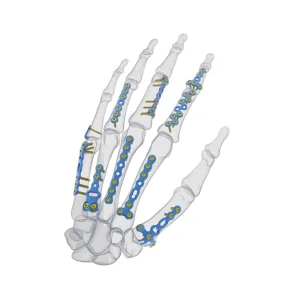
Mini Fragment Hand & Phalangeal Locking Plate System
View Hand Plate System -
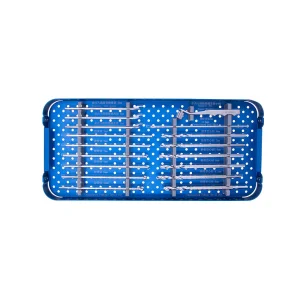
Complete ACL/PCL Ligament Reconstruction Instrument Set
Explore ACL/PCL Set -
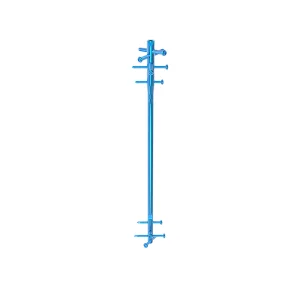
Custom Expert Titanium Tibia Intramedullary Nail System
View Tibia Nail System -
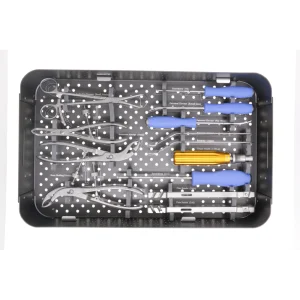
CE Approved Upper Limb Locking Plate Instrument Kit
Explore Instrument Kit -
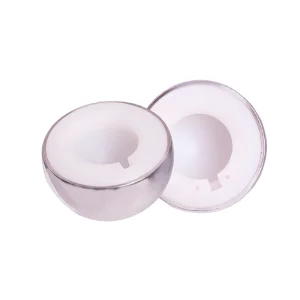
Bipolar Acetabular Cup Hip Joint Arthroplasty Implant
View Bipolar Cup -
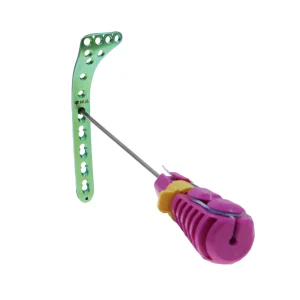
Hospital-Grade Titanium Suture Anchor with Suture & Needle
Inspect Suture Anchor -
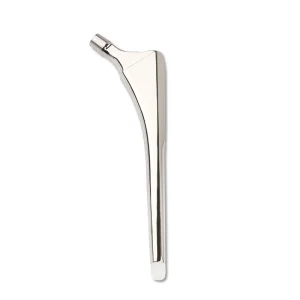
TDS Cemented Femoral Stem Primary Hip Arthroplasty
View Cemented Stem -
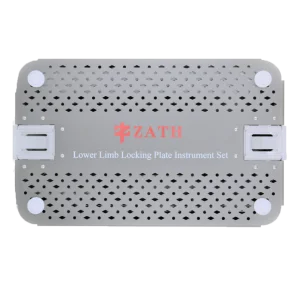
ODM Lower Limb Locking Compression Plate Surgical Set
View Instrument Set
Accelerate Your Orthopedic Distribution in Sweden
Request sample evaluation kits, verify technical files, or schedule a technical audit with our spine and trauma engineering team in Beijing.